Pear Engagement Rings
44 pieces · made to order
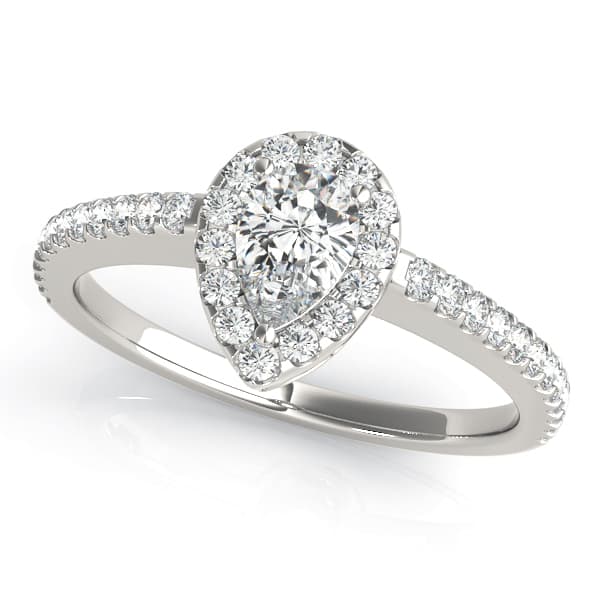
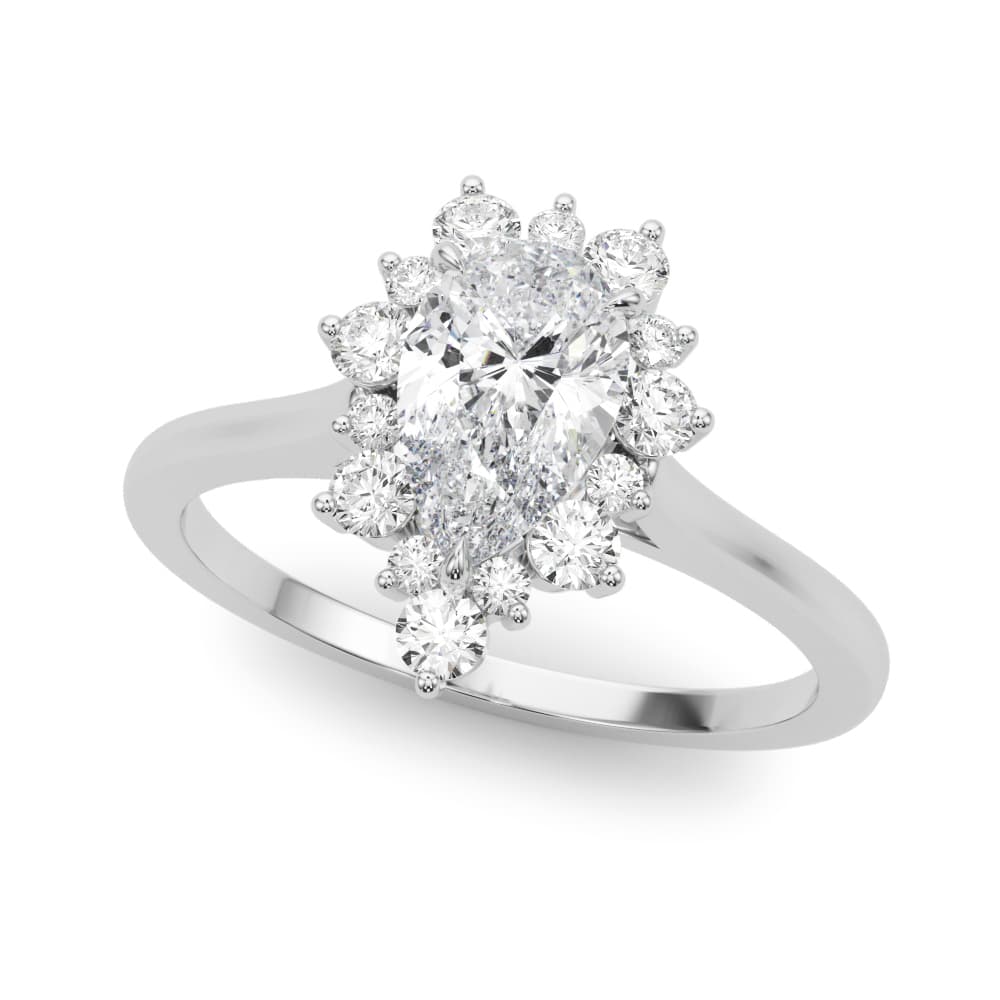
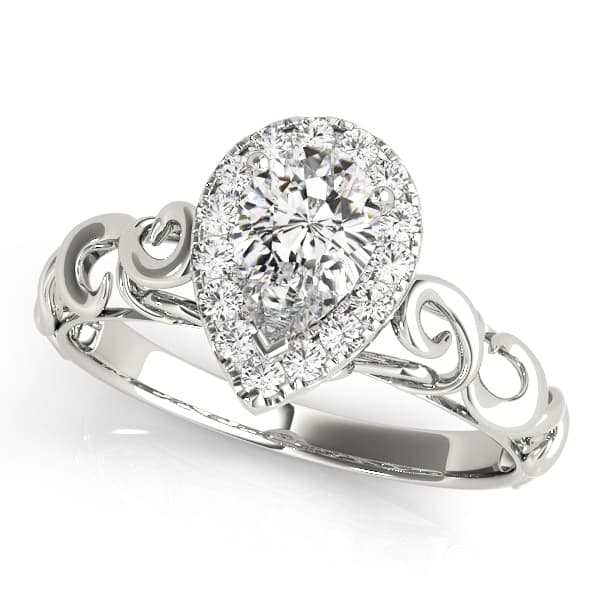
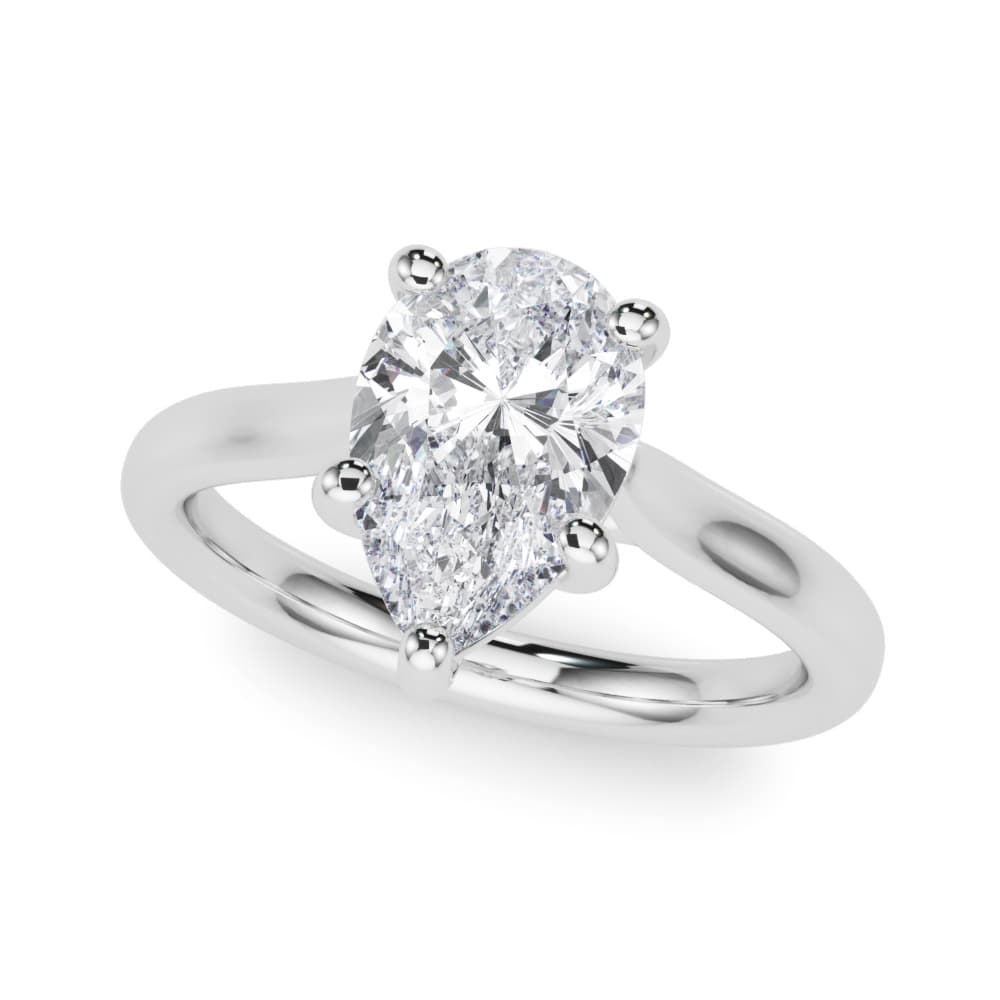
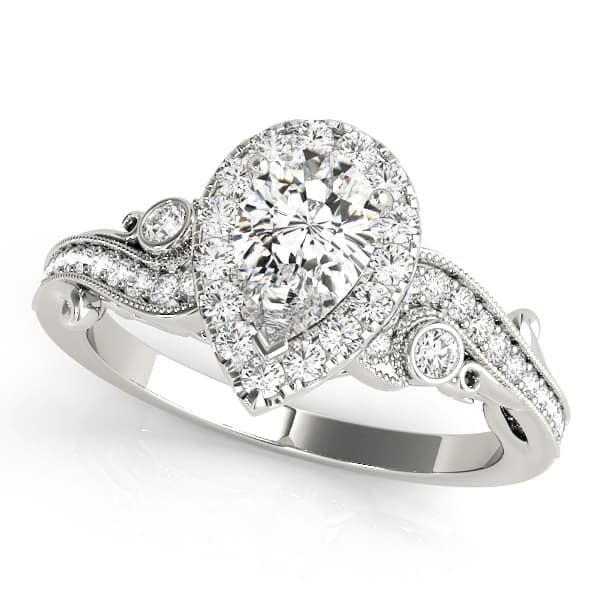
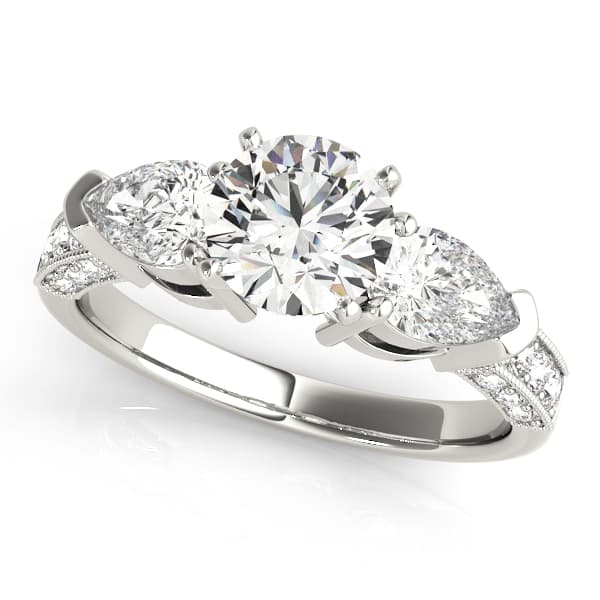
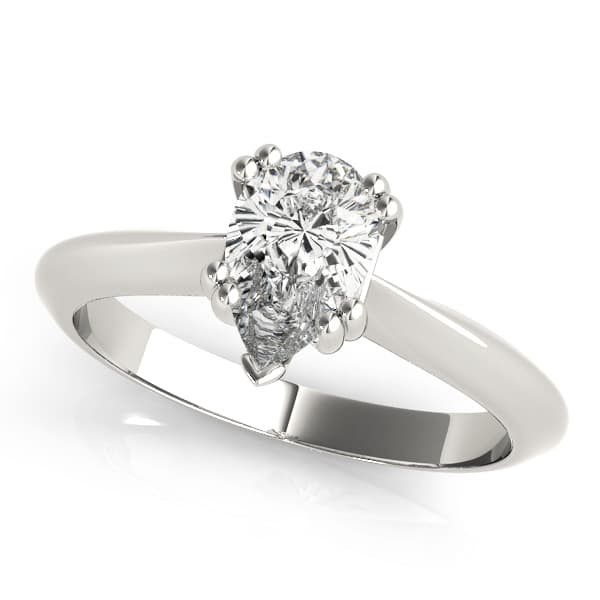
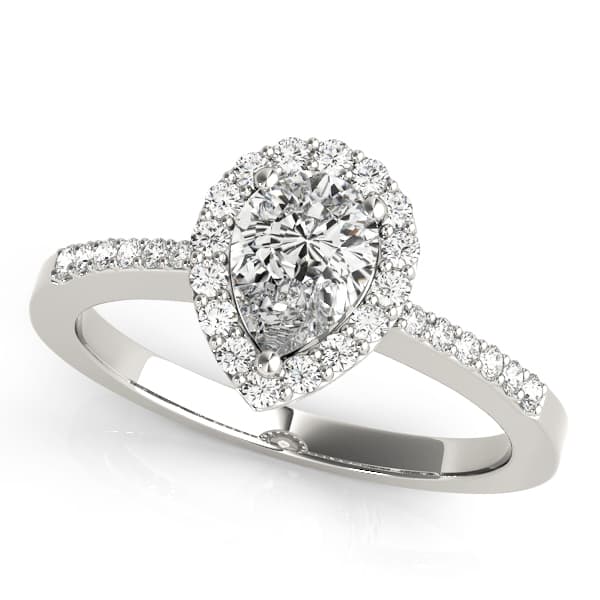
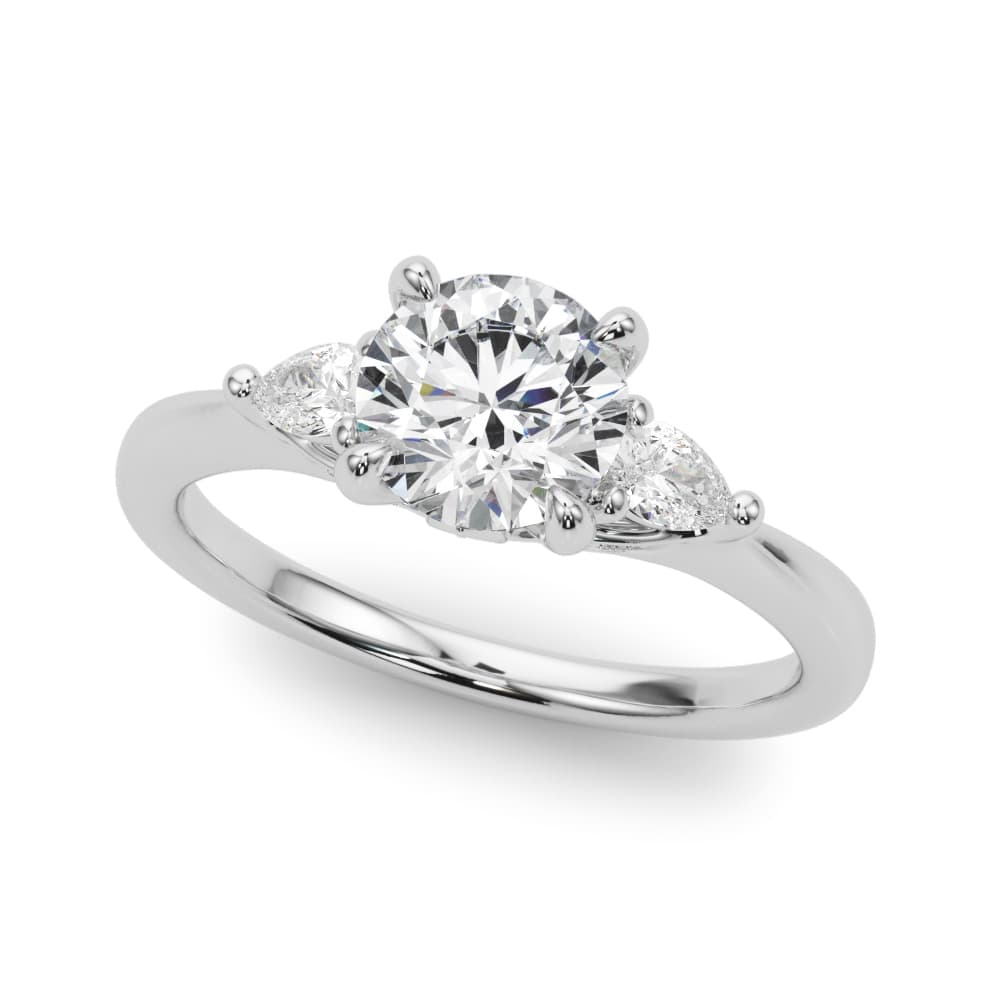
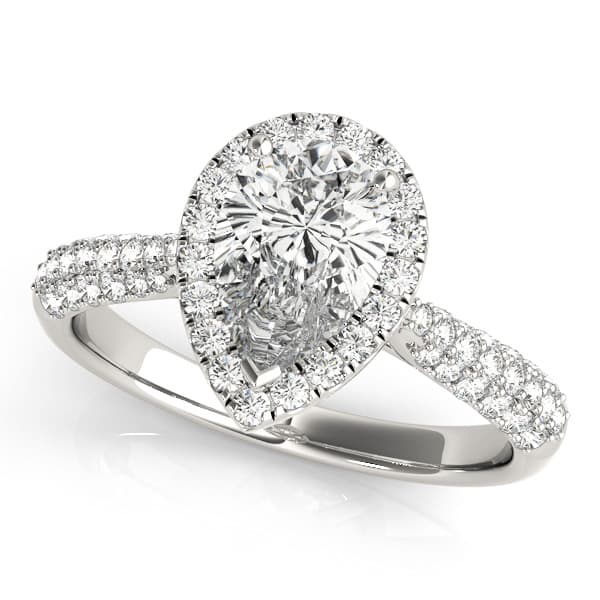
Every setting below is engineered to hold a pear center diamond — a teardrop that lengthens the finger. Choose the design, pick your certified pear stone, and we craft the ring to order in 2–3 weeks.
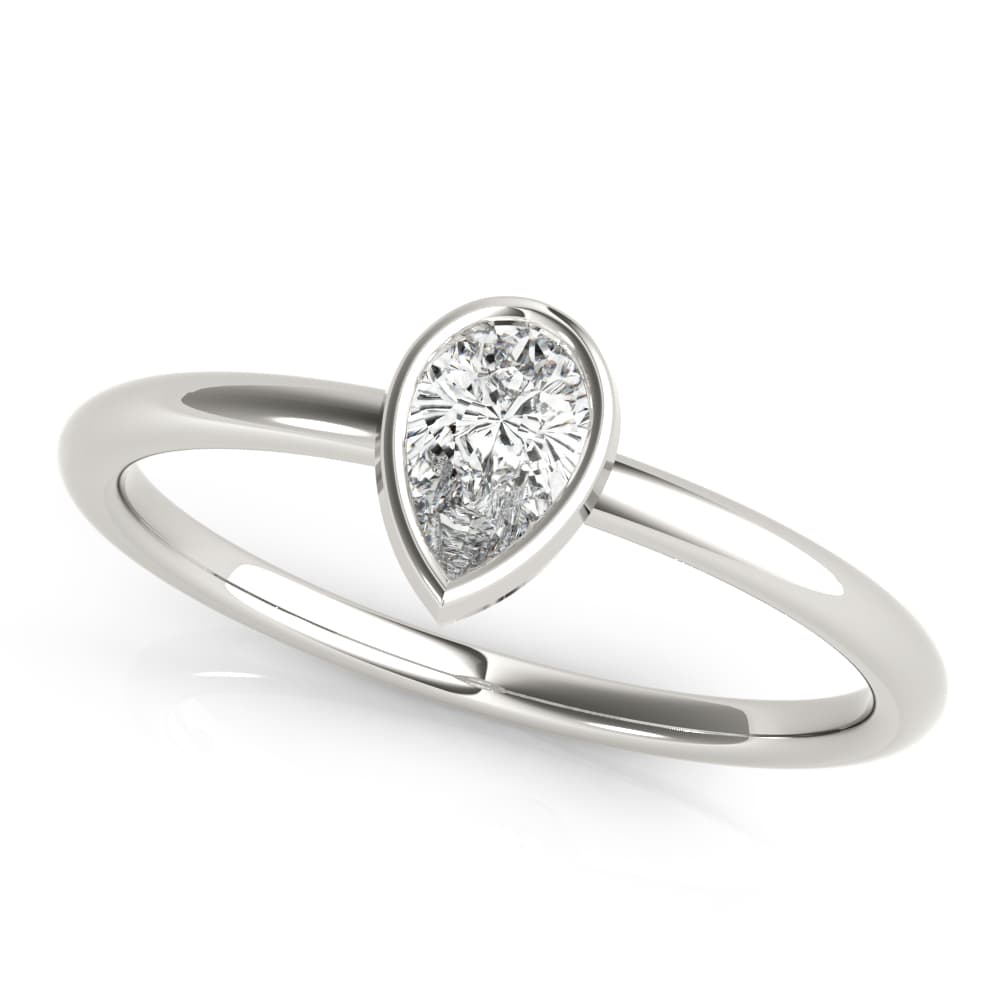
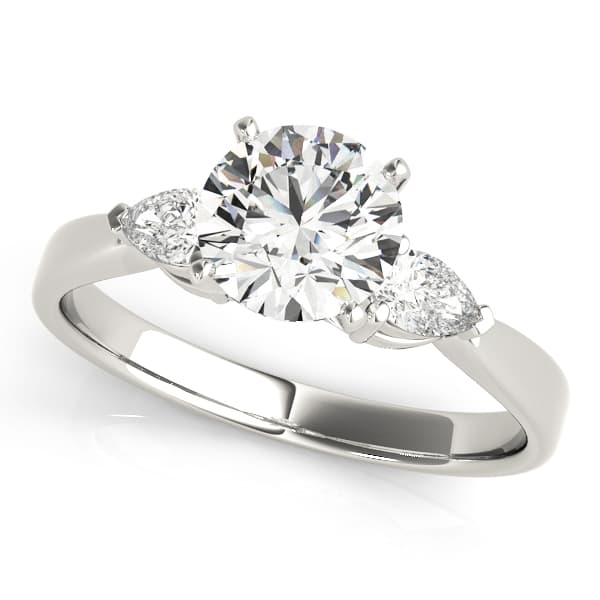
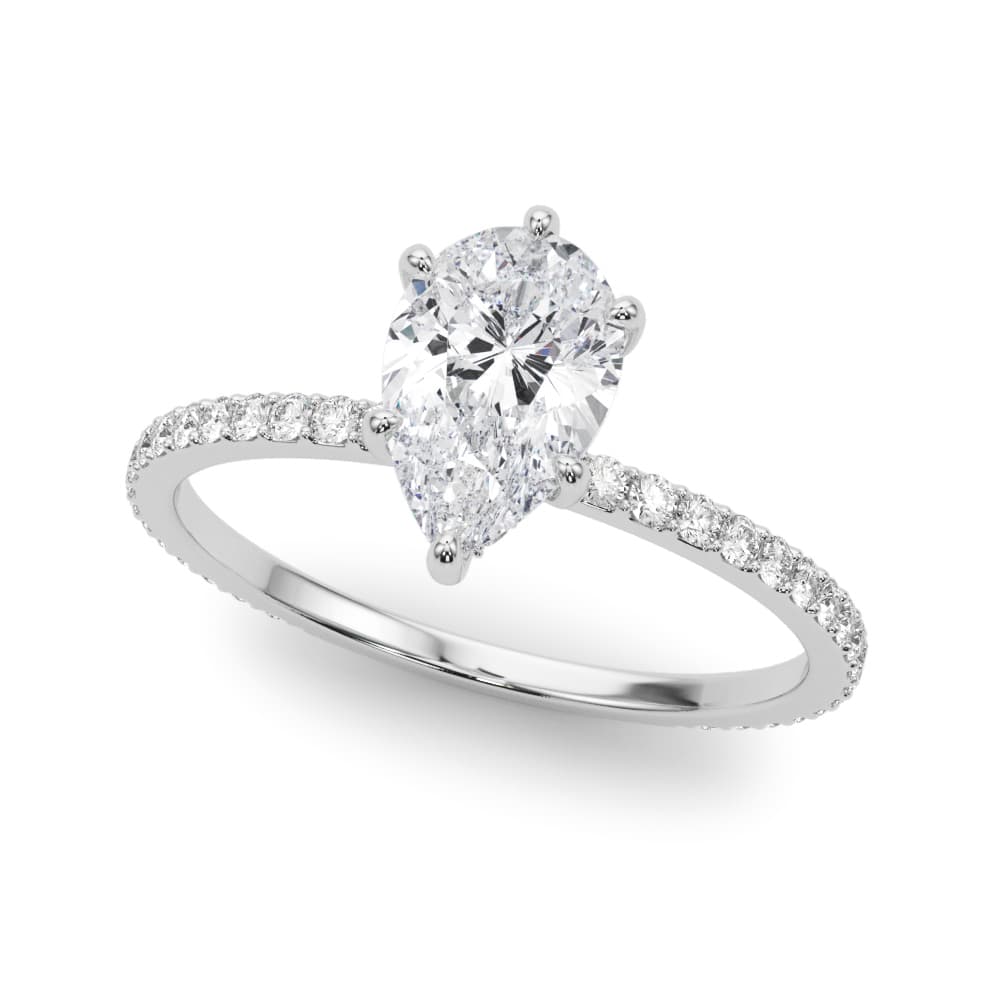
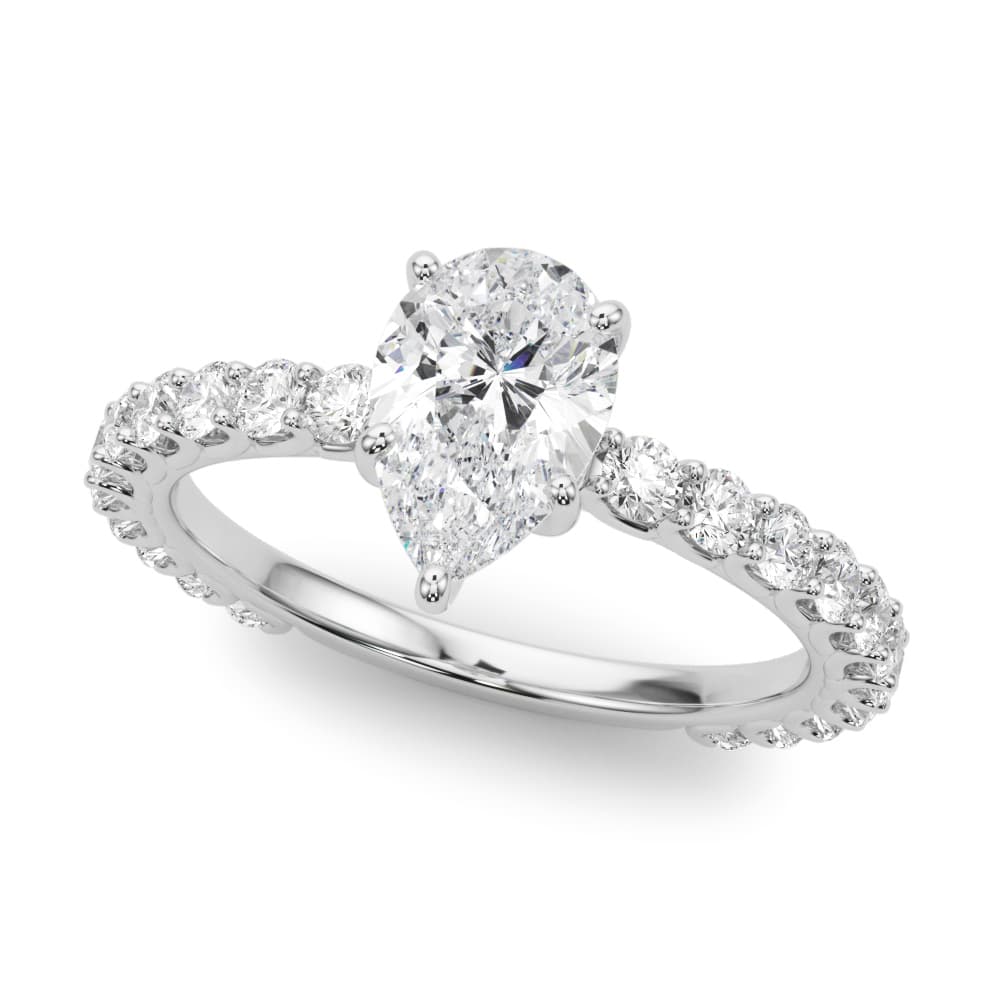
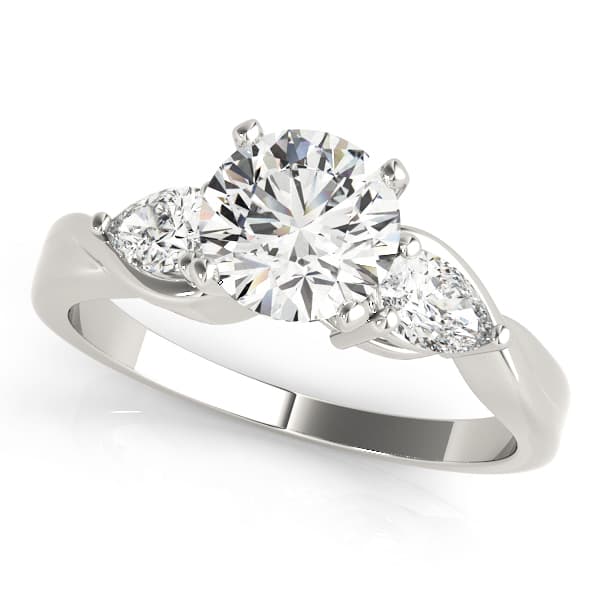
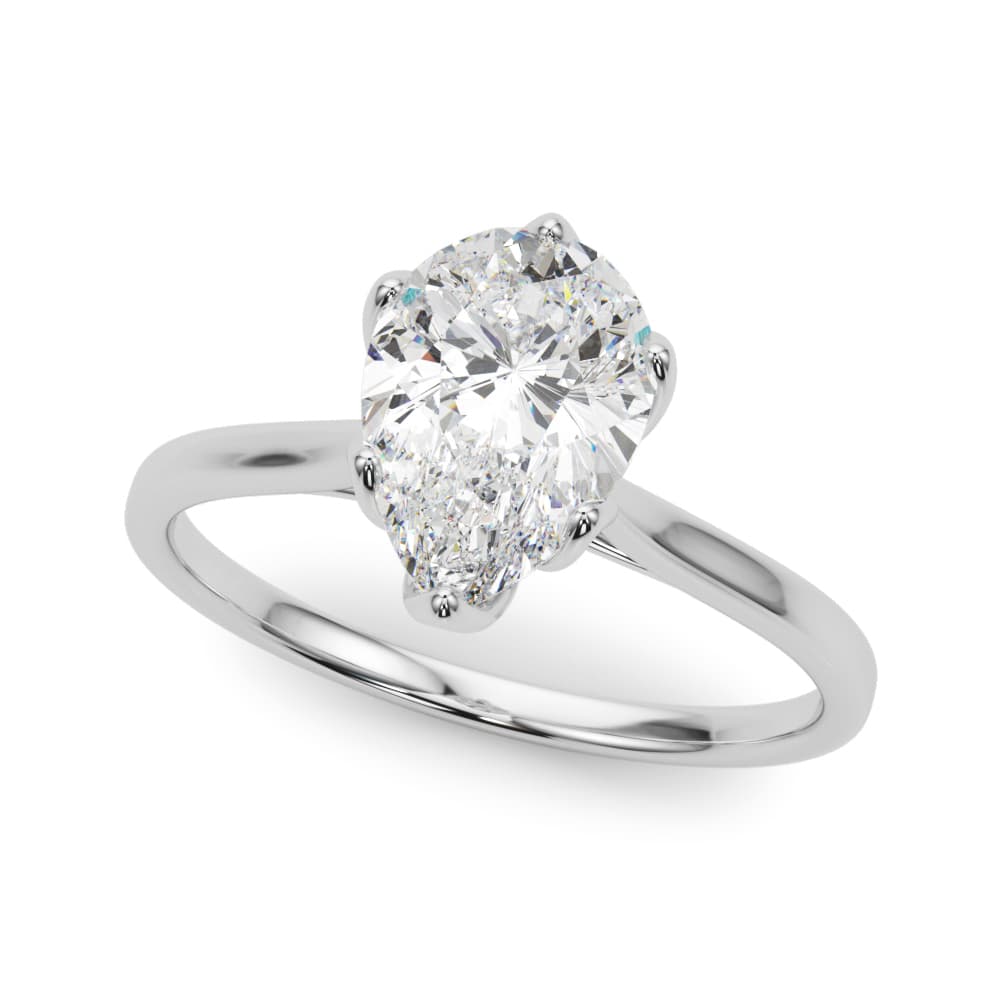
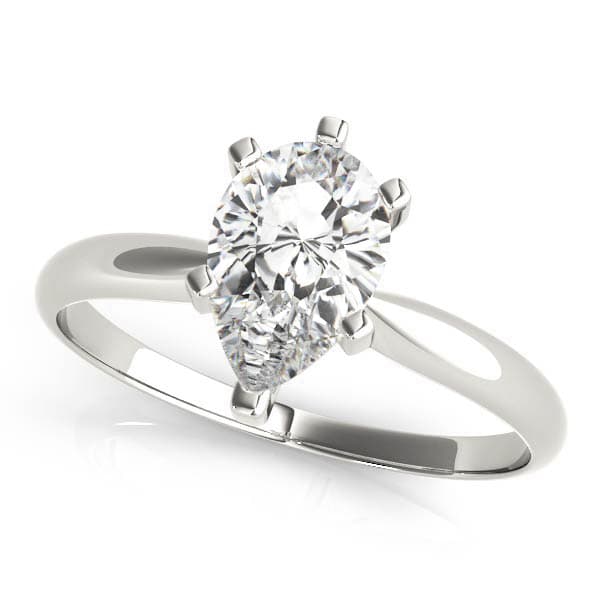
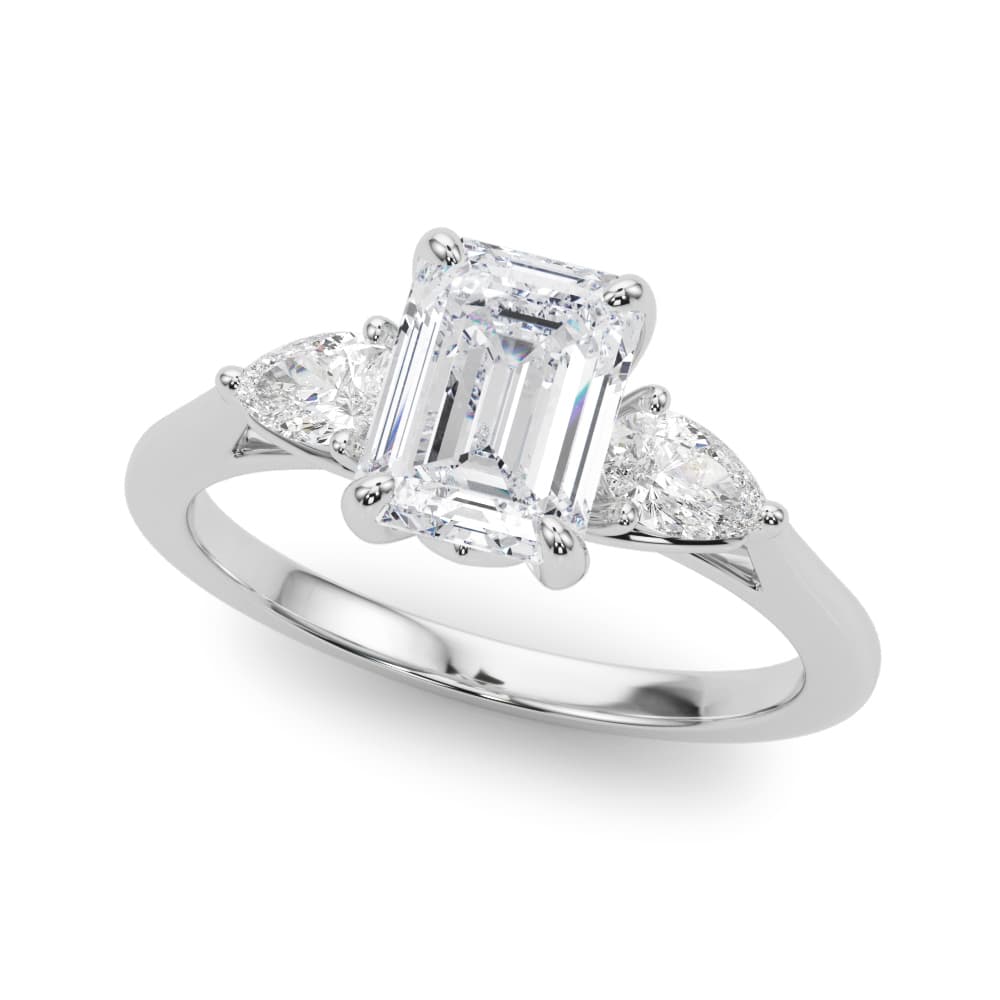
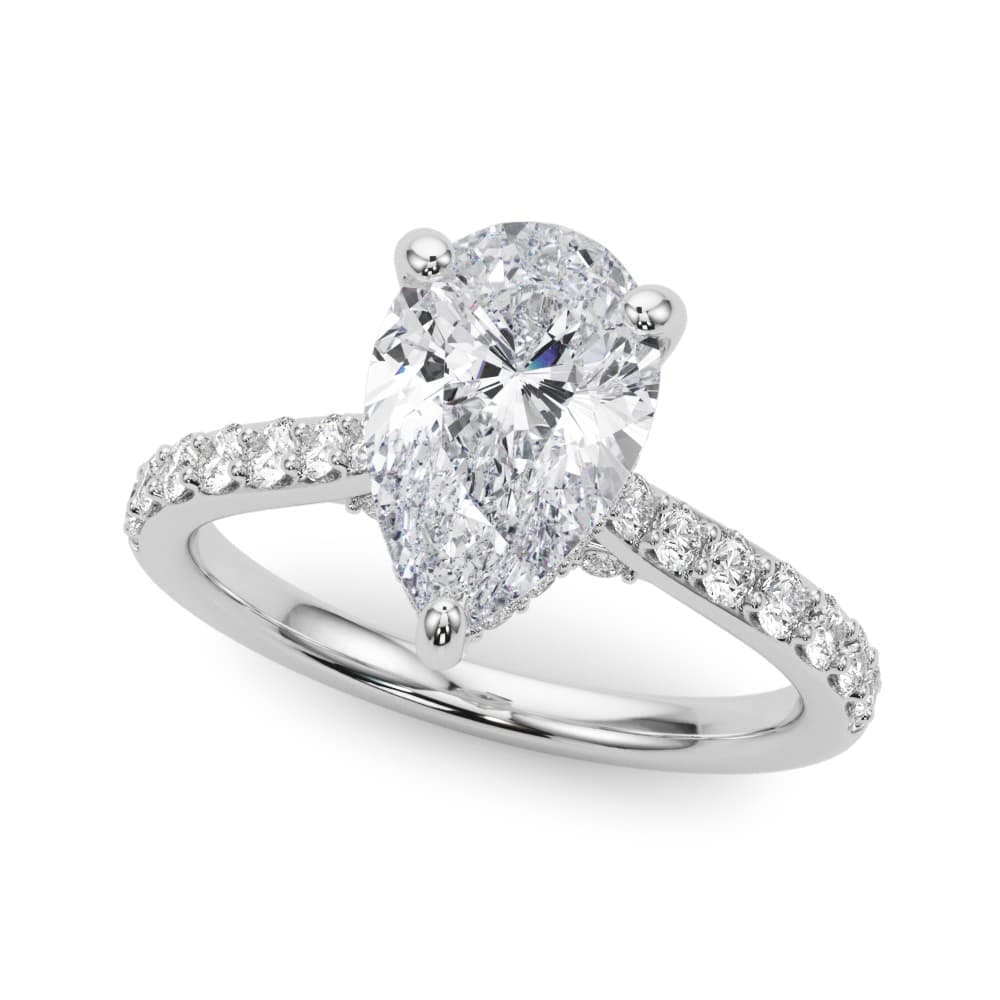
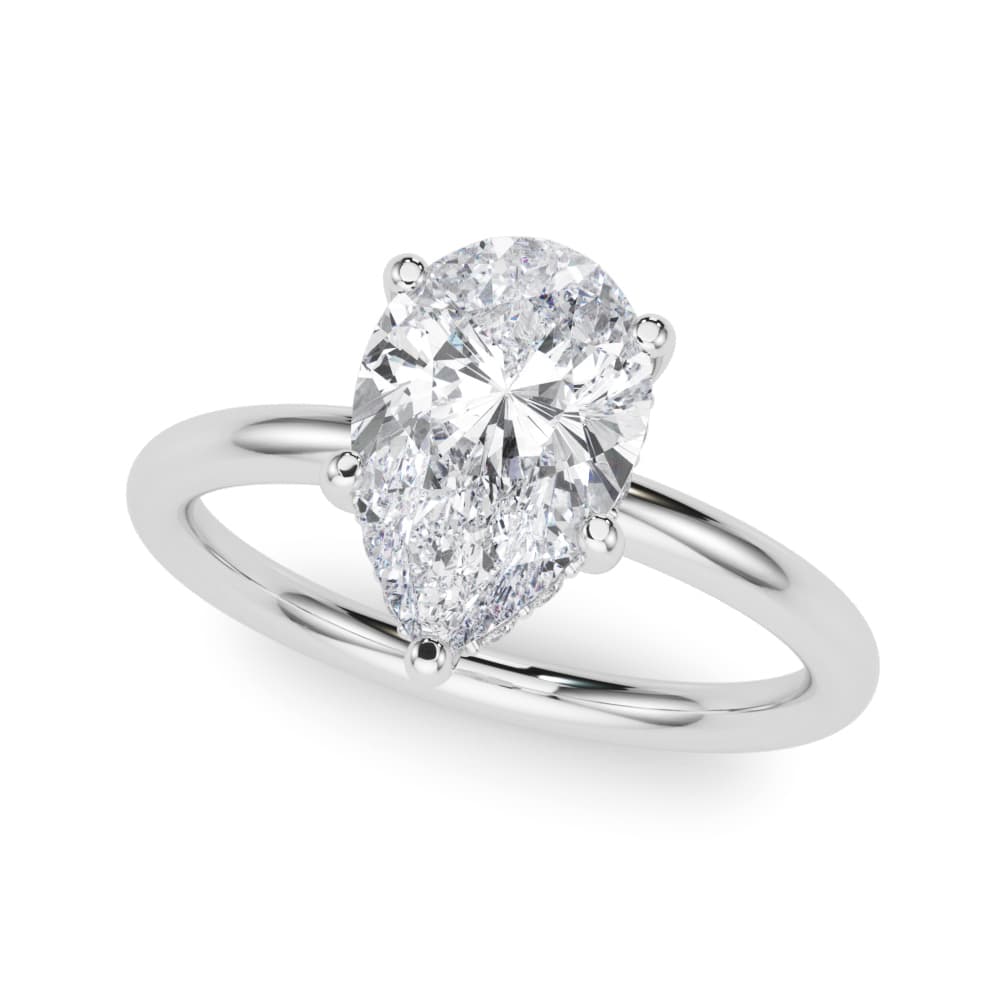
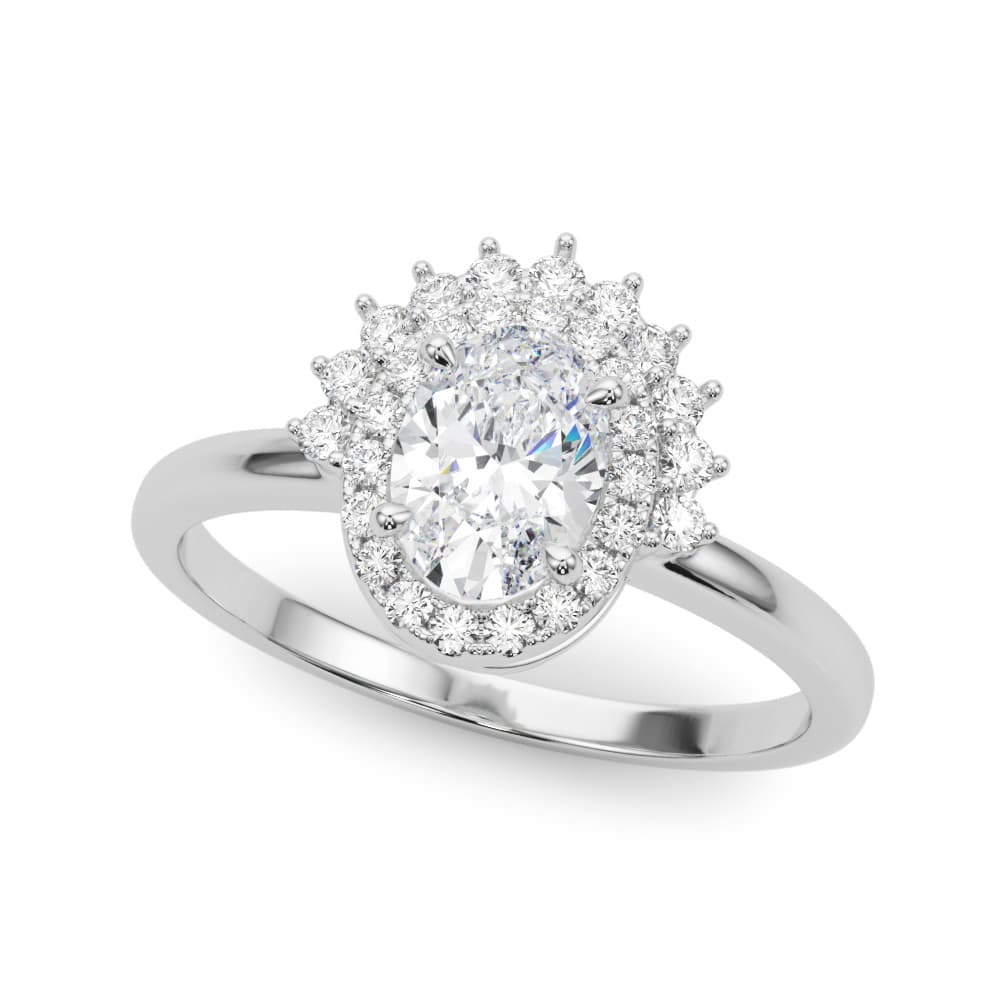
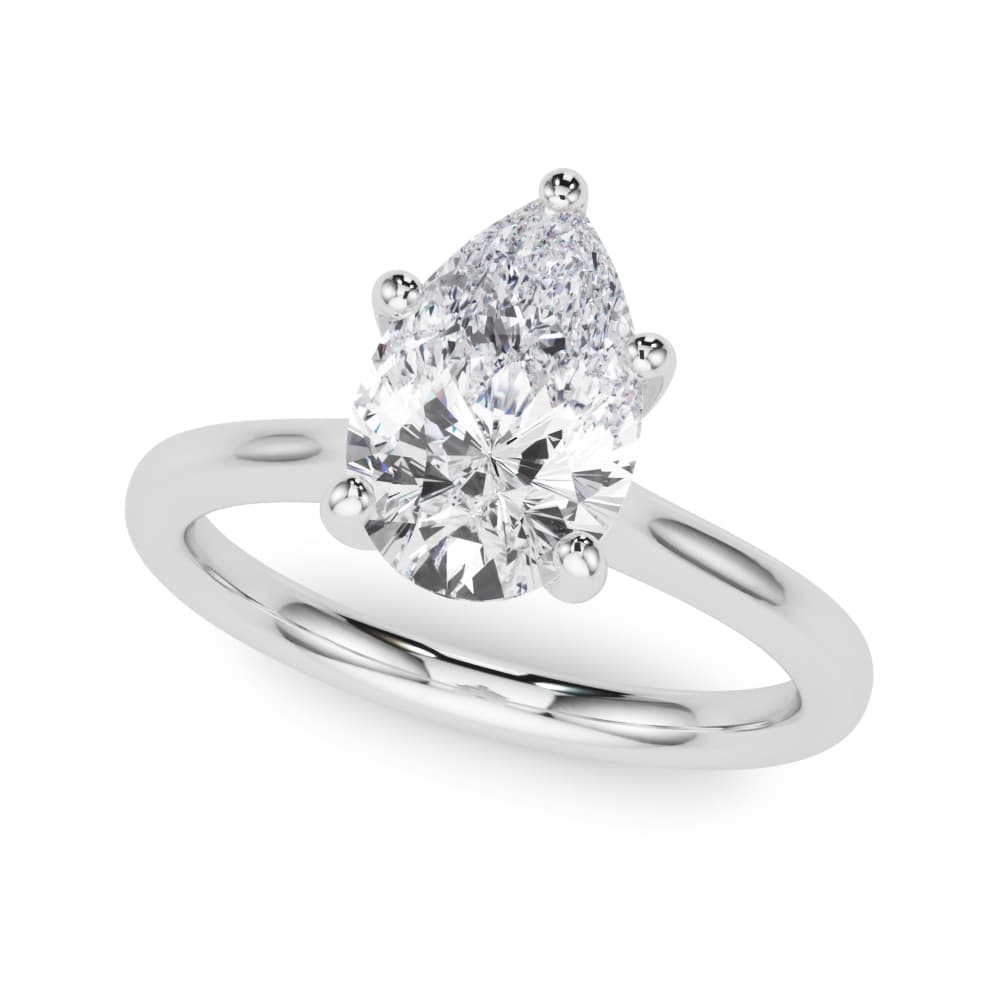
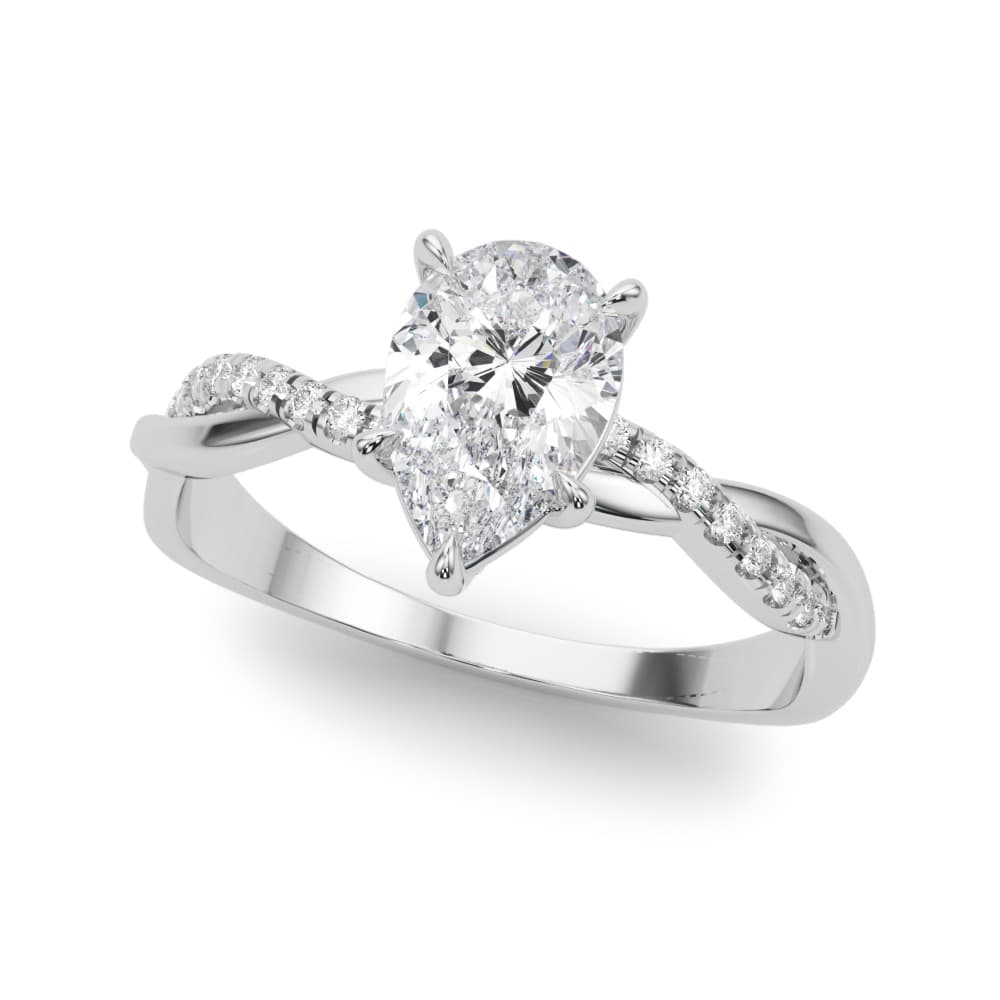
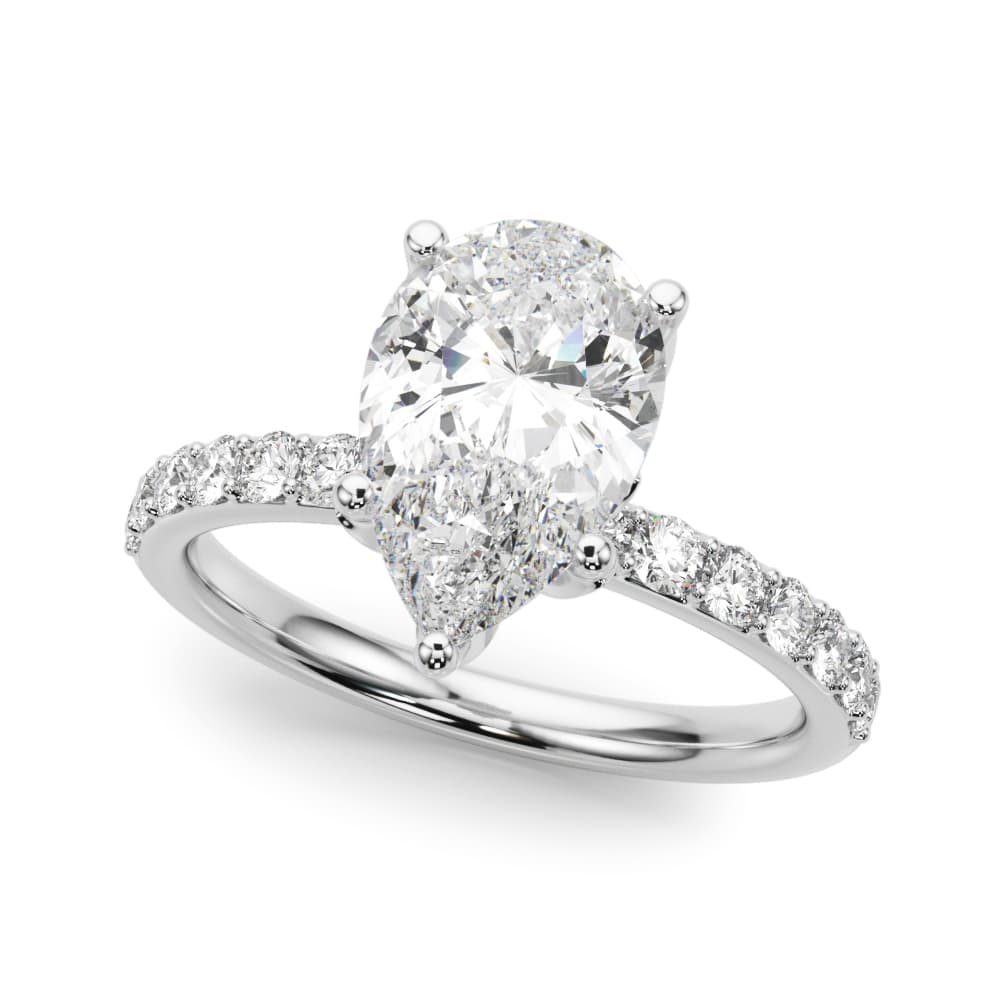
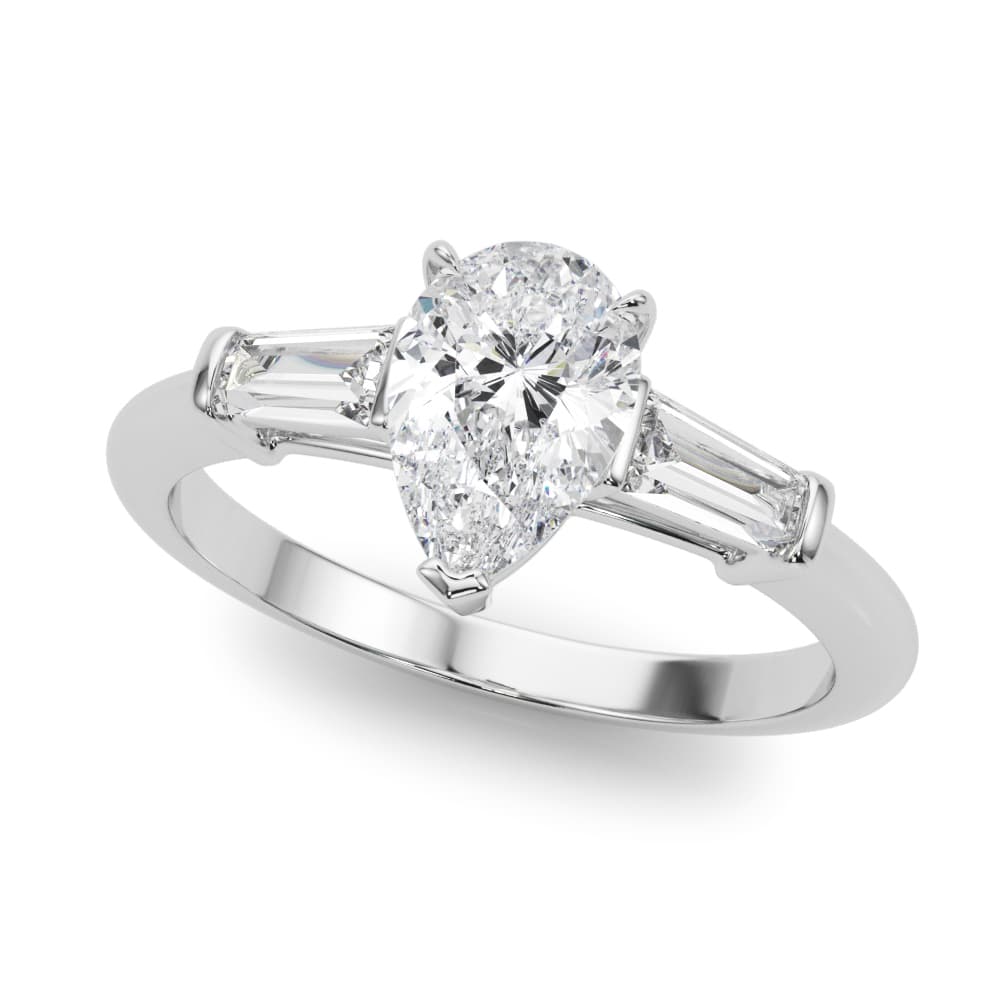
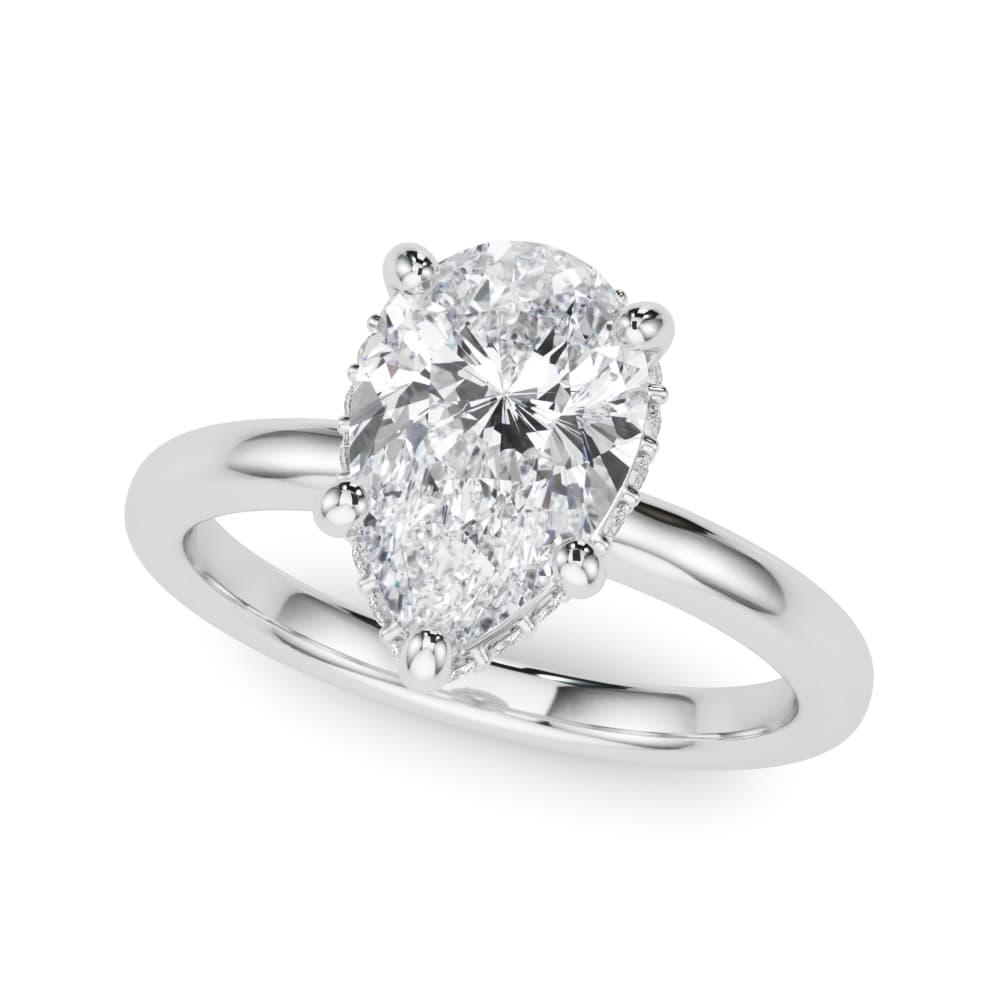
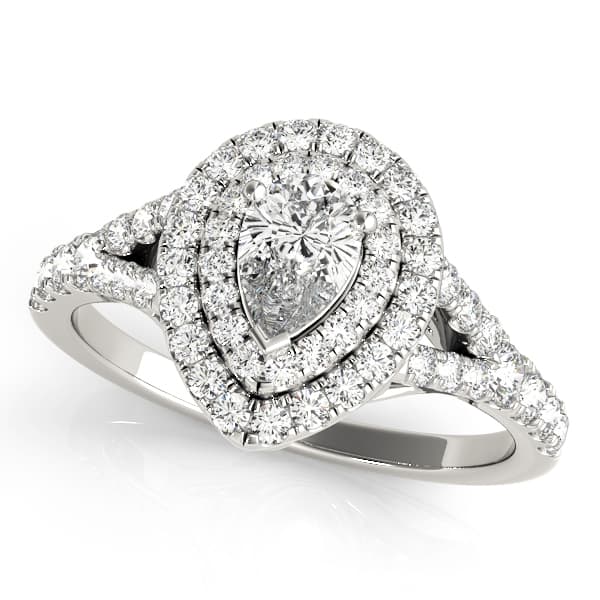
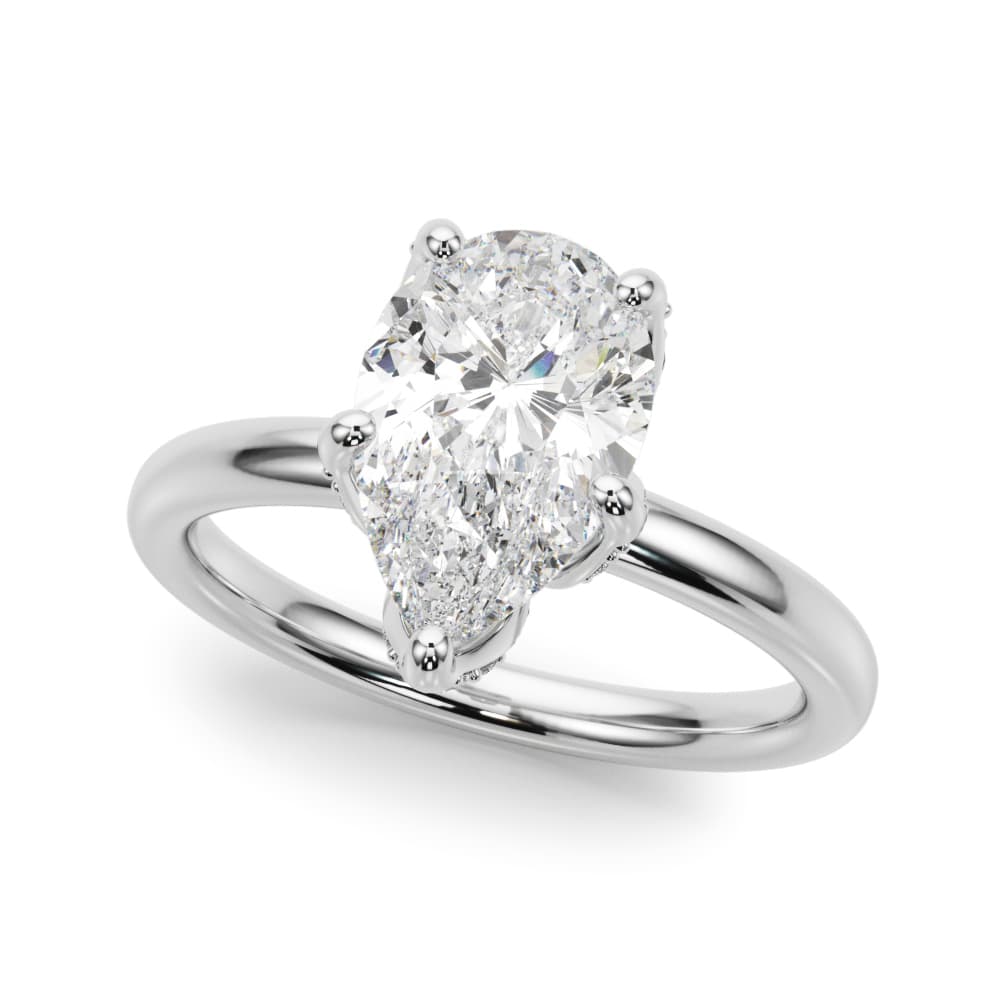
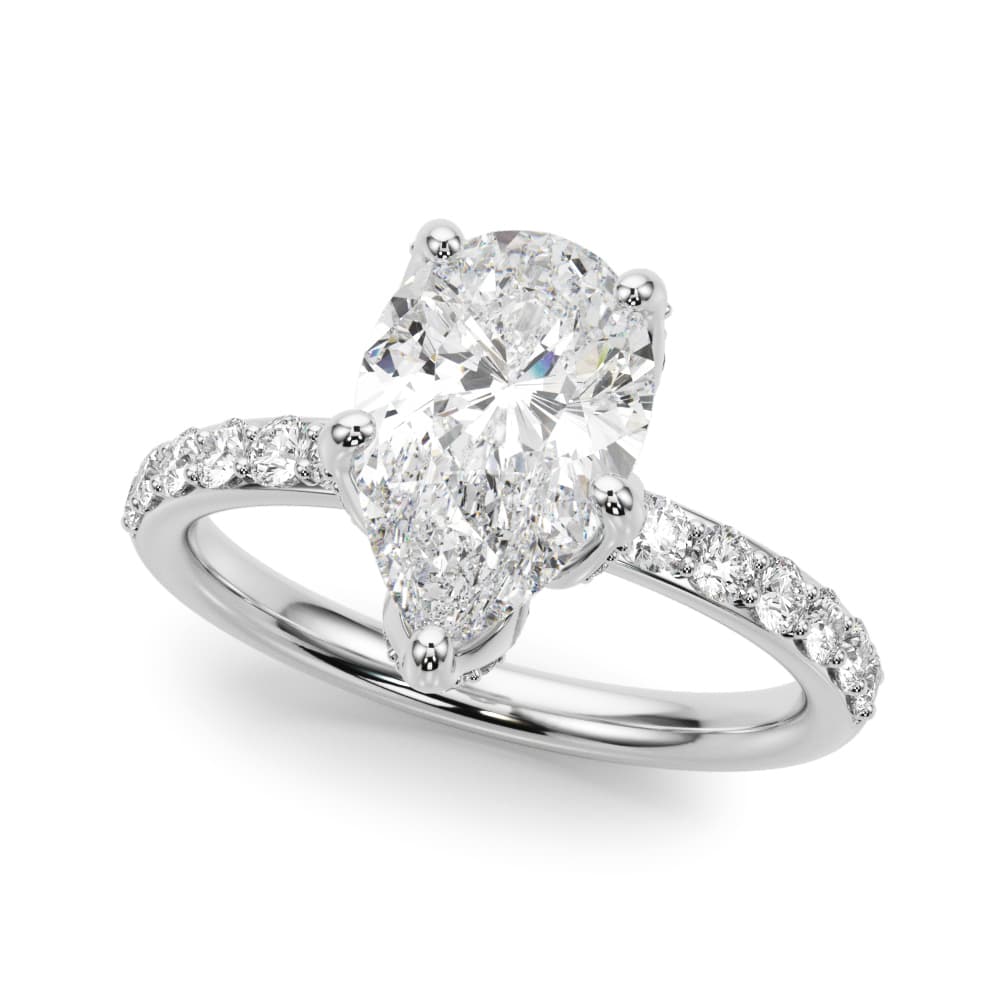
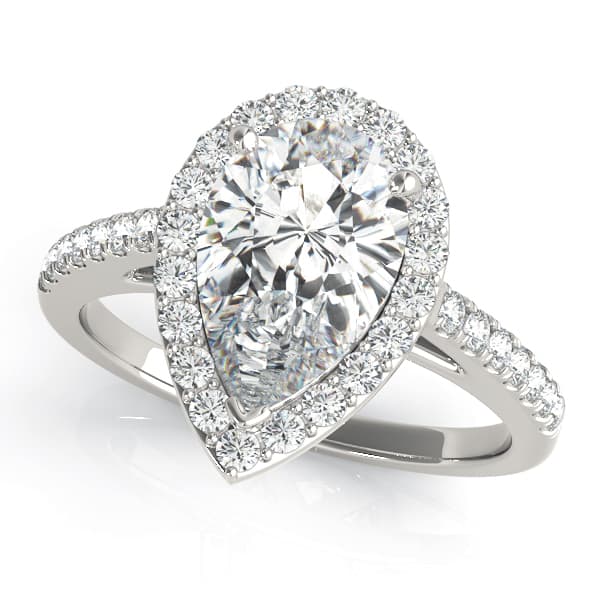
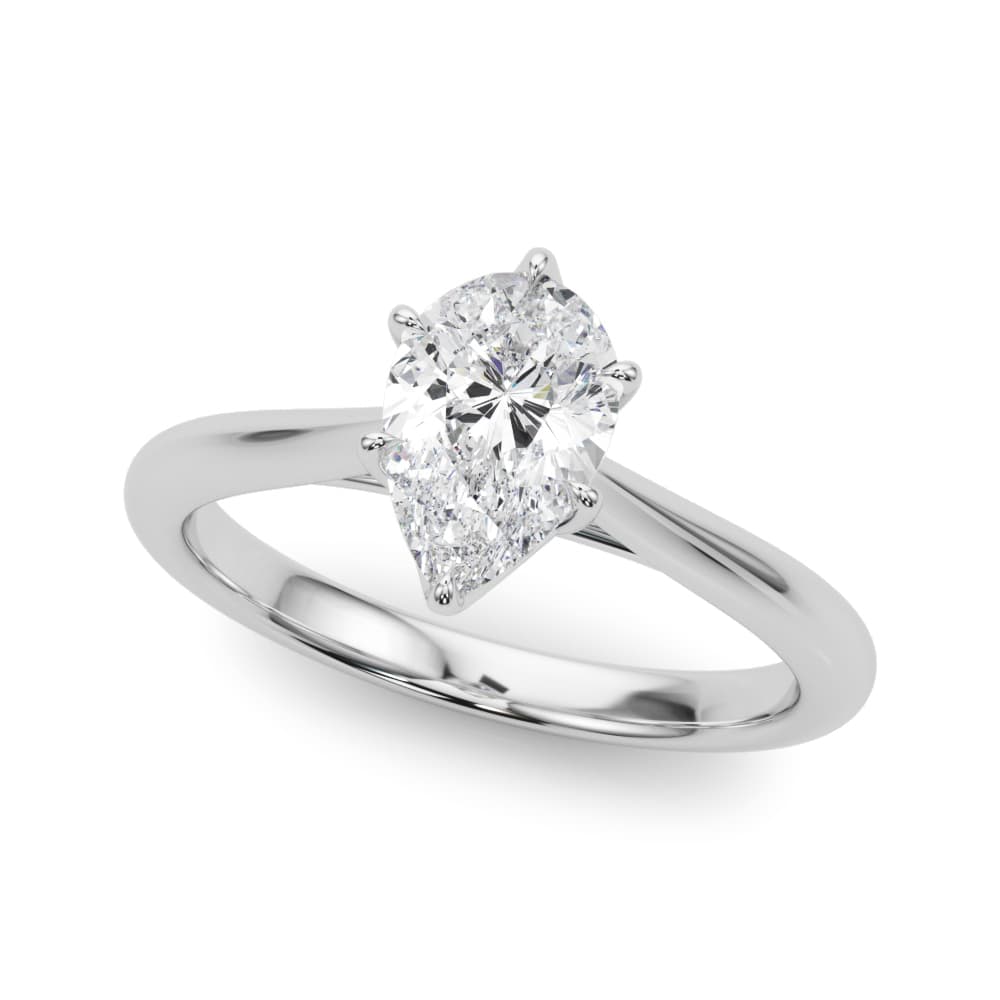
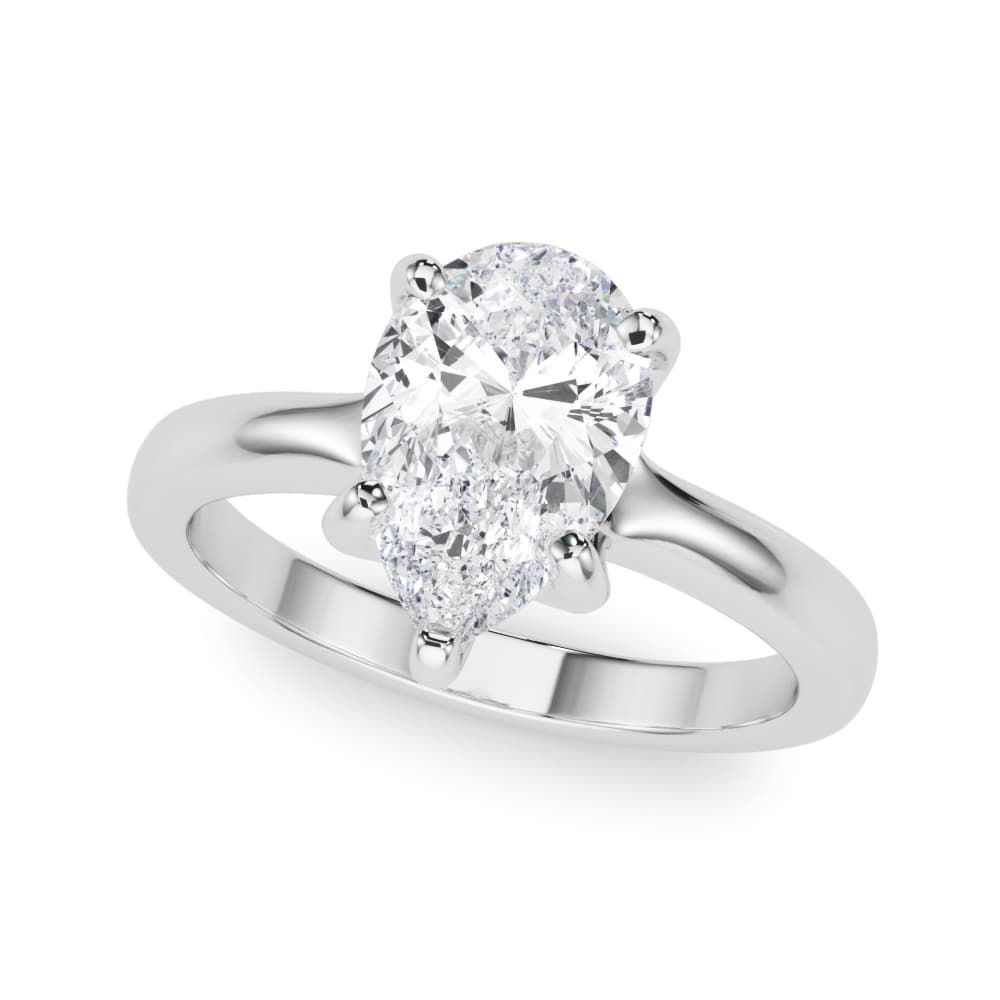
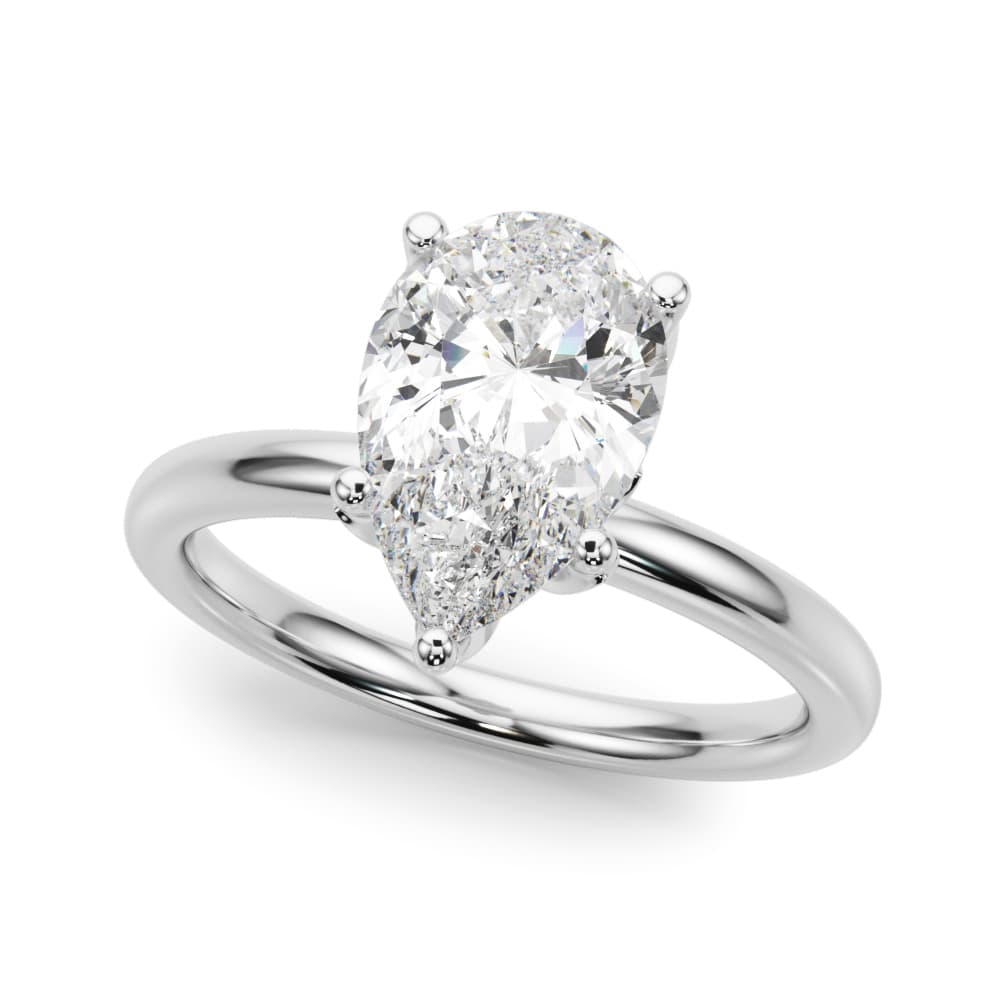
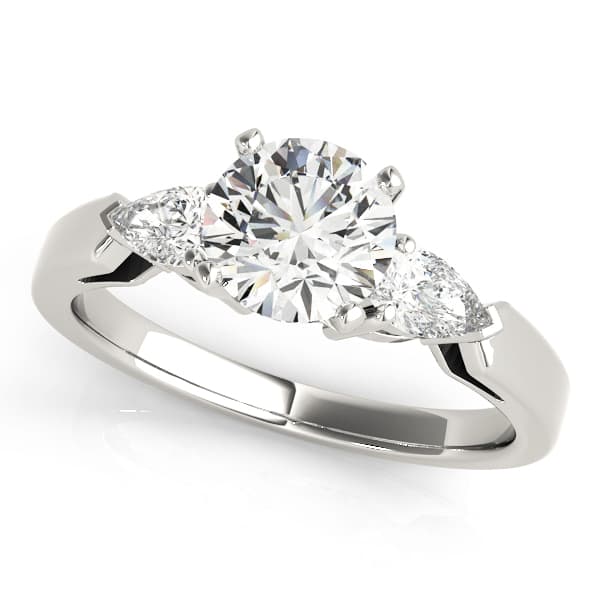
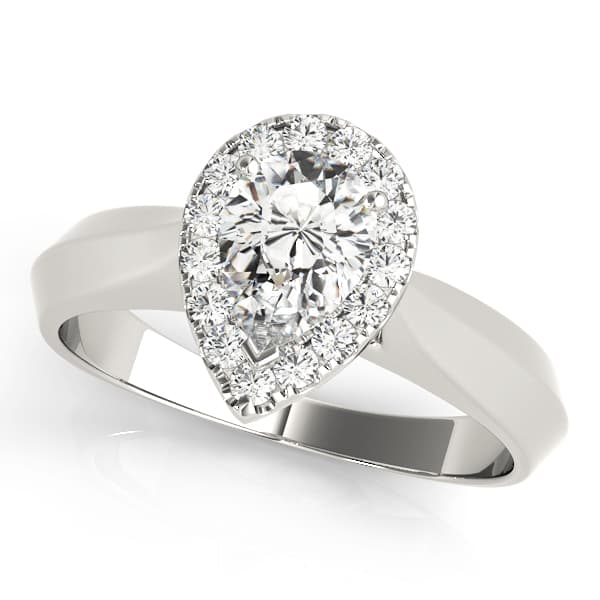
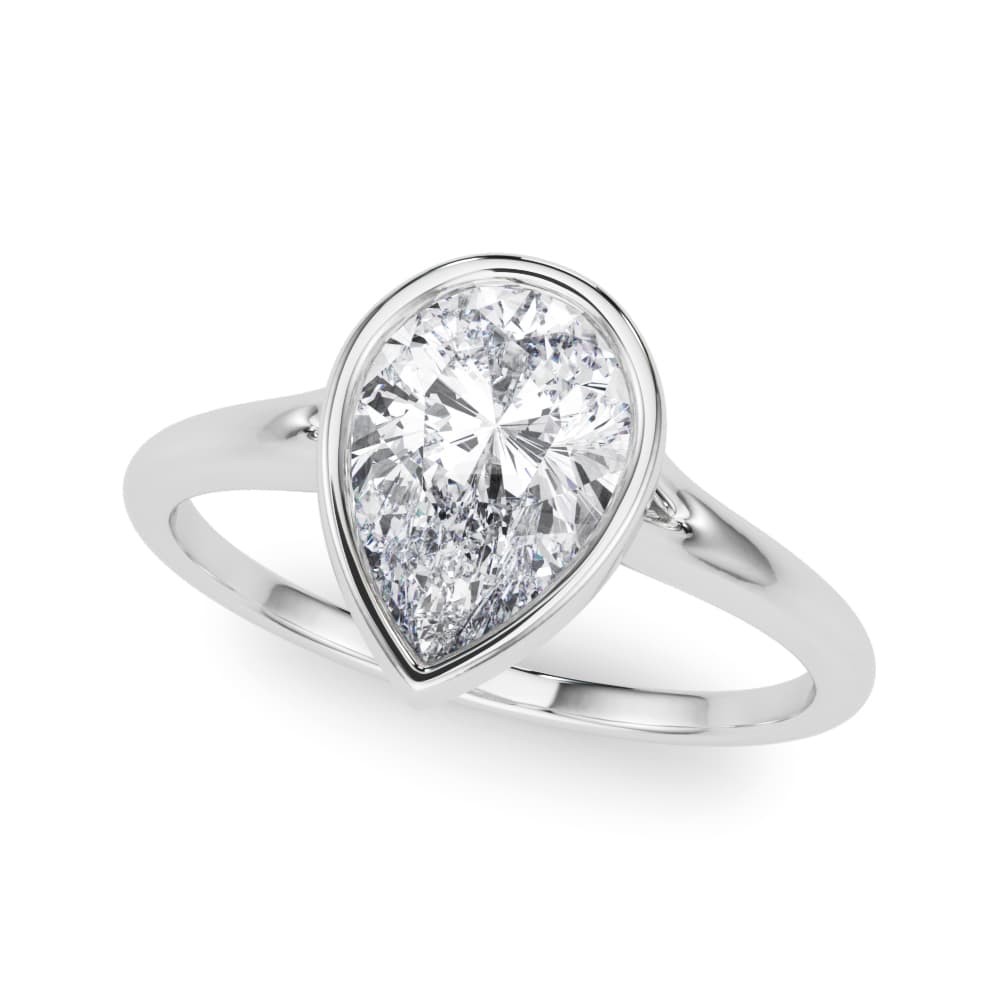
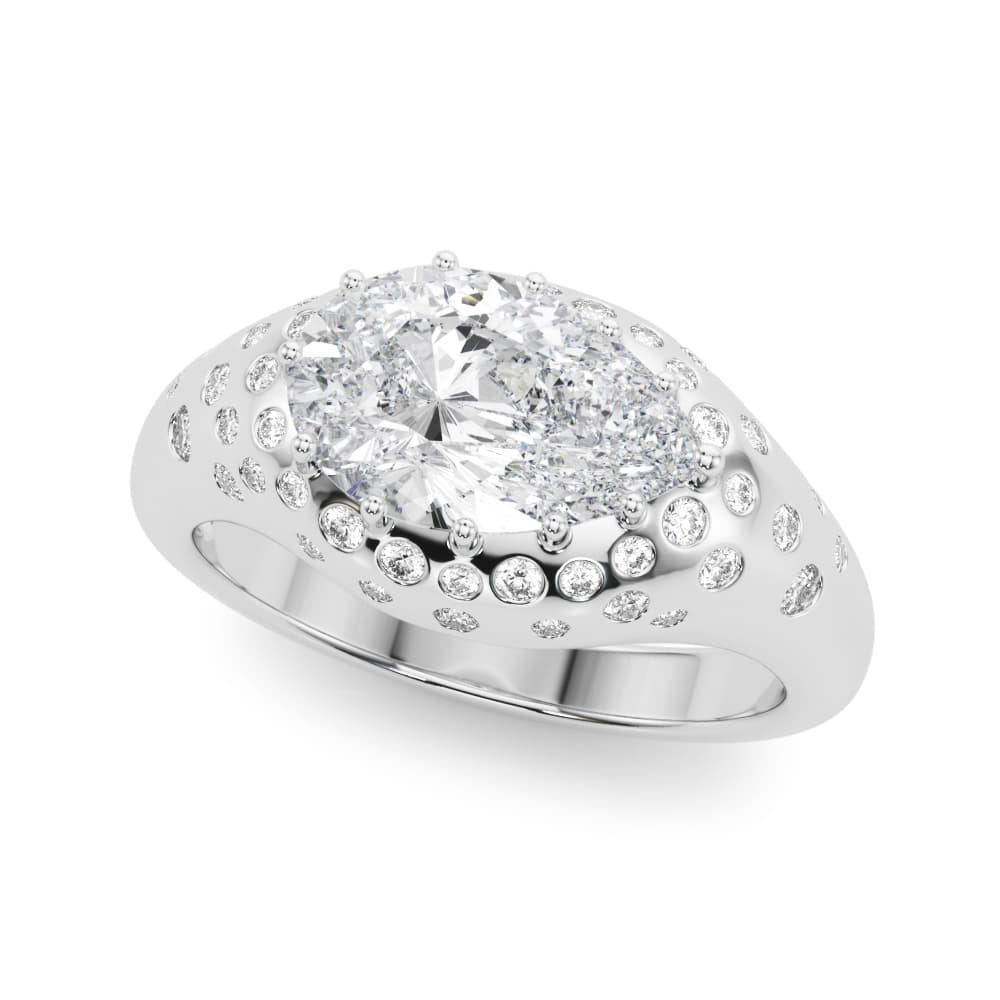
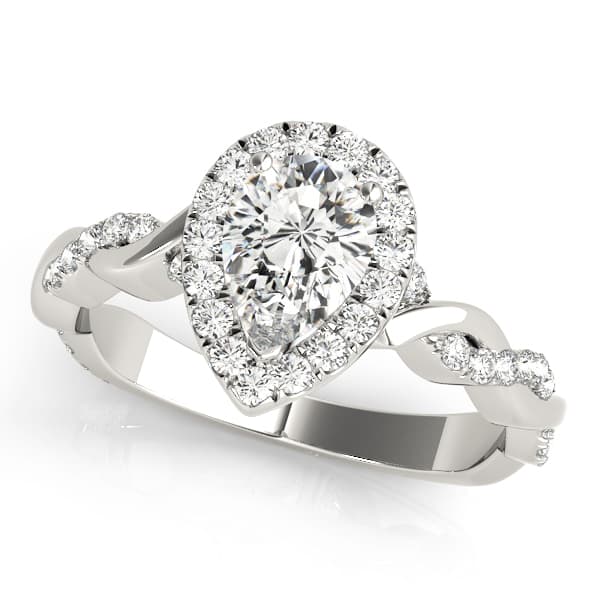
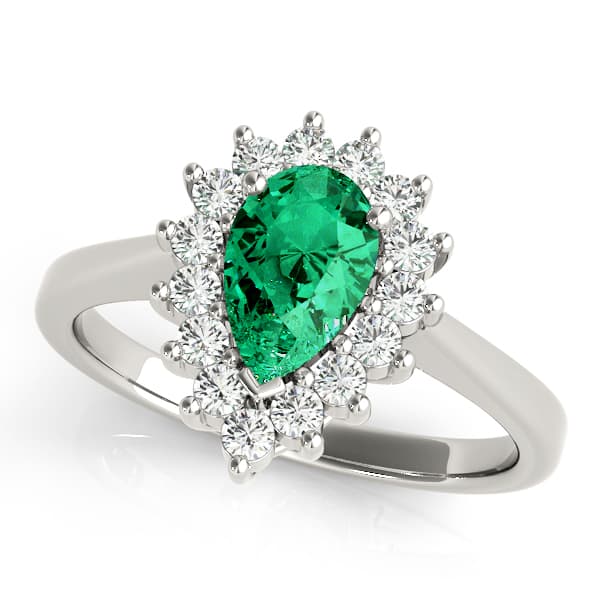
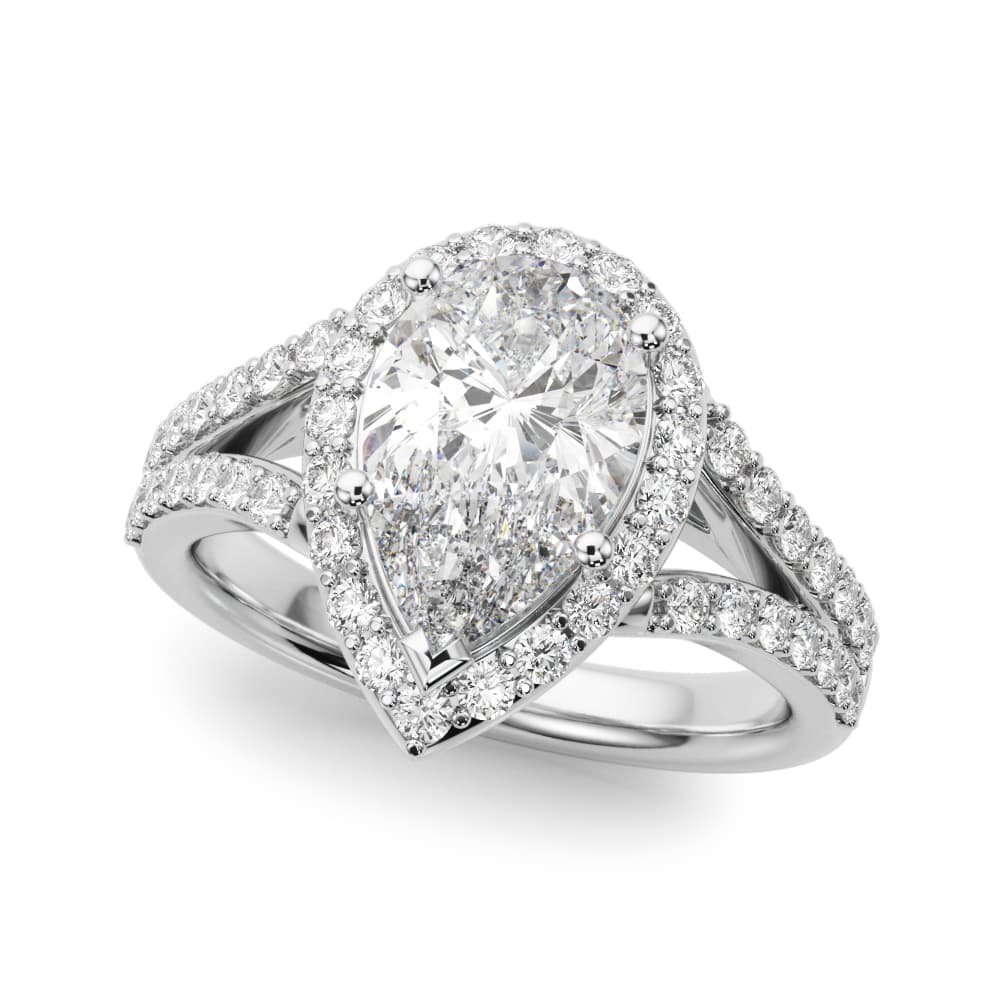
About pear engagement rings
The pear — half round brilliant, half marquise — is the teardrop of engagement ring shapes: soft curve at one end, fine point at the other, and a silhouette that visibly lengthens the finger. It's distinctive without being loud, vintage and modern at once.
Every pear engagement ring at Aurelle is made to order in 2–3 weeks with settings engineered for pear centers — including a protective prong at the tip — in 14k or 18k gold or platinum, with certified natural or lab-grown pear diamonds.
Look for even shoulders, a well-formed point, and a length-to-width ratio near 1.45–1.65; we review each stone's symmetry and bow-tie with you.
Pear Engagement Rings FAQ
Which way should a pear diamond point?+
Tradition says point toward the fingertips, which elongates the hand most, but plenty of wearers point it toward the wrist or even east-west. There's no rule — it's your ring, and the stone is symmetrical enough to flatter either way.
Is the point of a pear diamond fragile?+
The tip is the shape's one vulnerable spot, which is why pear settings use a V-shaped prong to cradle and shield it. Properly set, a pear stands up to daily wear as well as any brilliant cut.
Do pear diamonds look bigger than rounds?+
Yes — the pear's elongated outline gives it more face-up spread than a round of the same carat, and the taper exaggerates length on the finger. It's one of the stronger shapes for visual size per dollar.
How much does a pear engagement ring cost?+
Pear diamonds price below rounds per carat, so finished rings commonly run from the low four figures to the low five figures depending on carat, quality, and natural versus lab-grown. A lab pear often costs less than half its natural equivalent.
What is a good length-to-width ratio for a pear?+
Most people find 1.45 to 1.65 the classic teardrop — balanced curve, elegant taper. Shorter ratios read rounder and softer; longer ones sleeker and more dramatic. Symmetry between the two shoulders matters as much as ratio.
Pear vs. oval — which should I choose?+
Both elongate beautifully; the oval is symmetrical and softer, the pear adds a point that makes it instantly recognizable and slightly more vintage in feel. If you want a shape people remember, the pear is the more distinctive of the two.
What settings suit a pear diamond?+
A five-prong solitaire with a V-tip is the classic; halos amplify the teardrop outline; bezels turn it sleek and armor the point completely. Slim pavé bands pair especially well with the pear's tapered geometry.