Tennis Bracelets
51 pieces · made to order
The tennis bracelet is the most-worn diamond piece ever designed: a supple, continuous line of matched brilliants that goes with everything, forever.
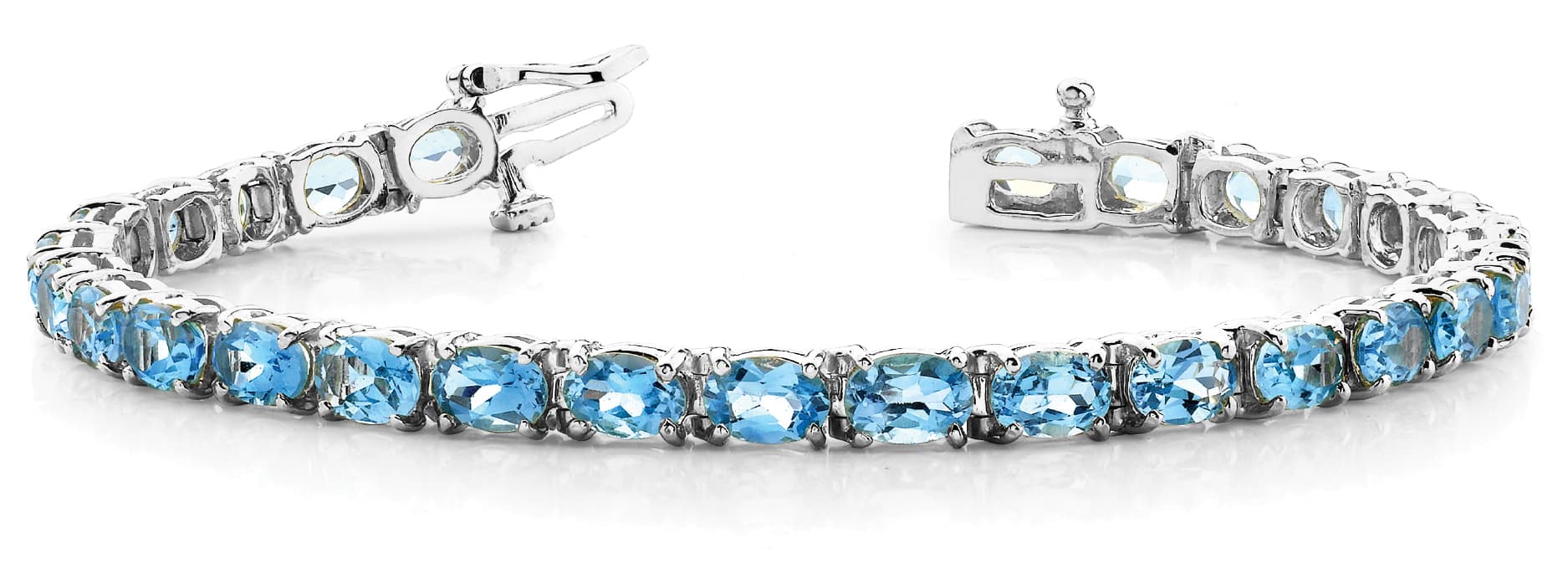
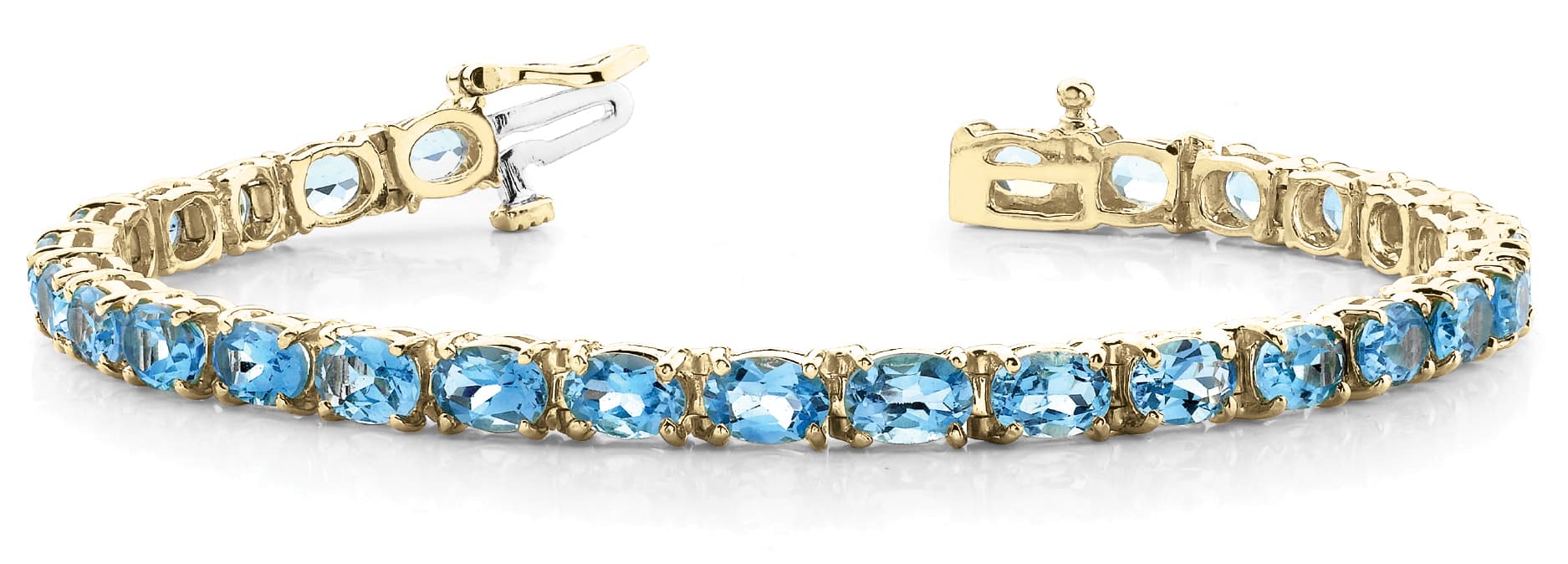

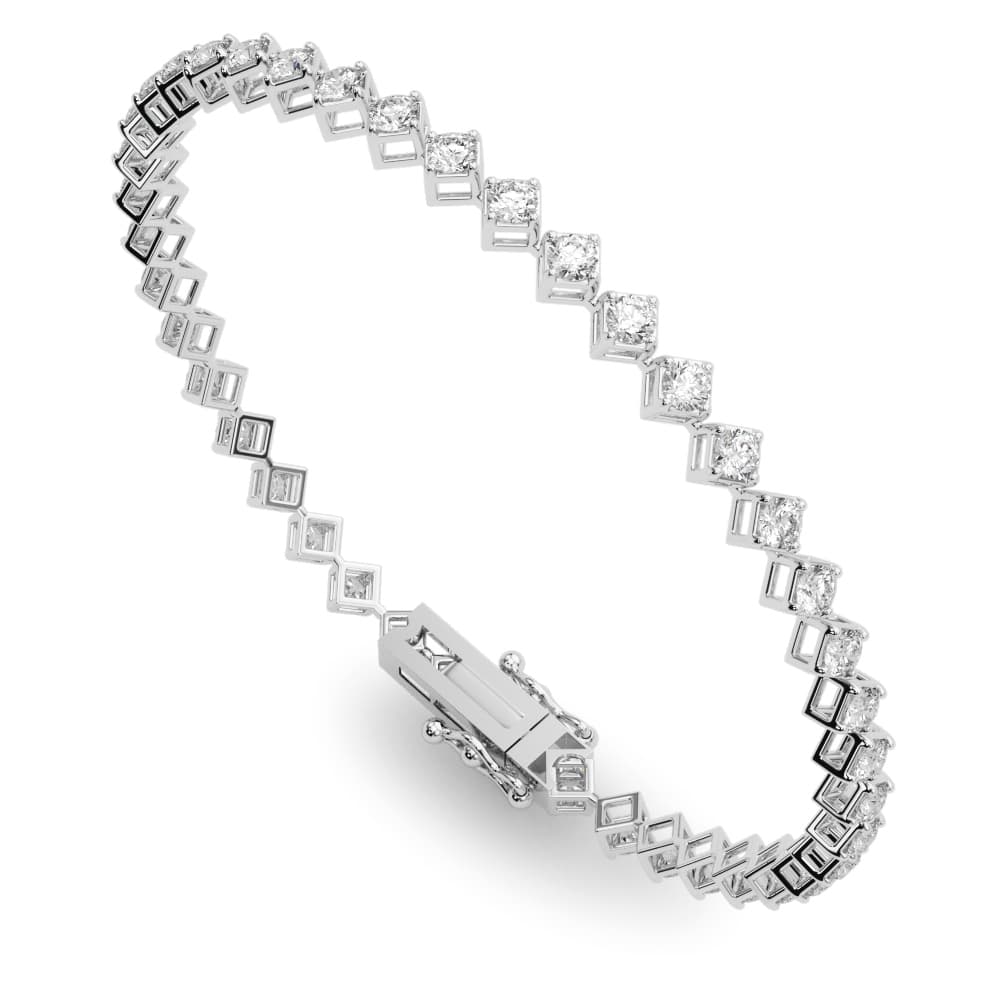
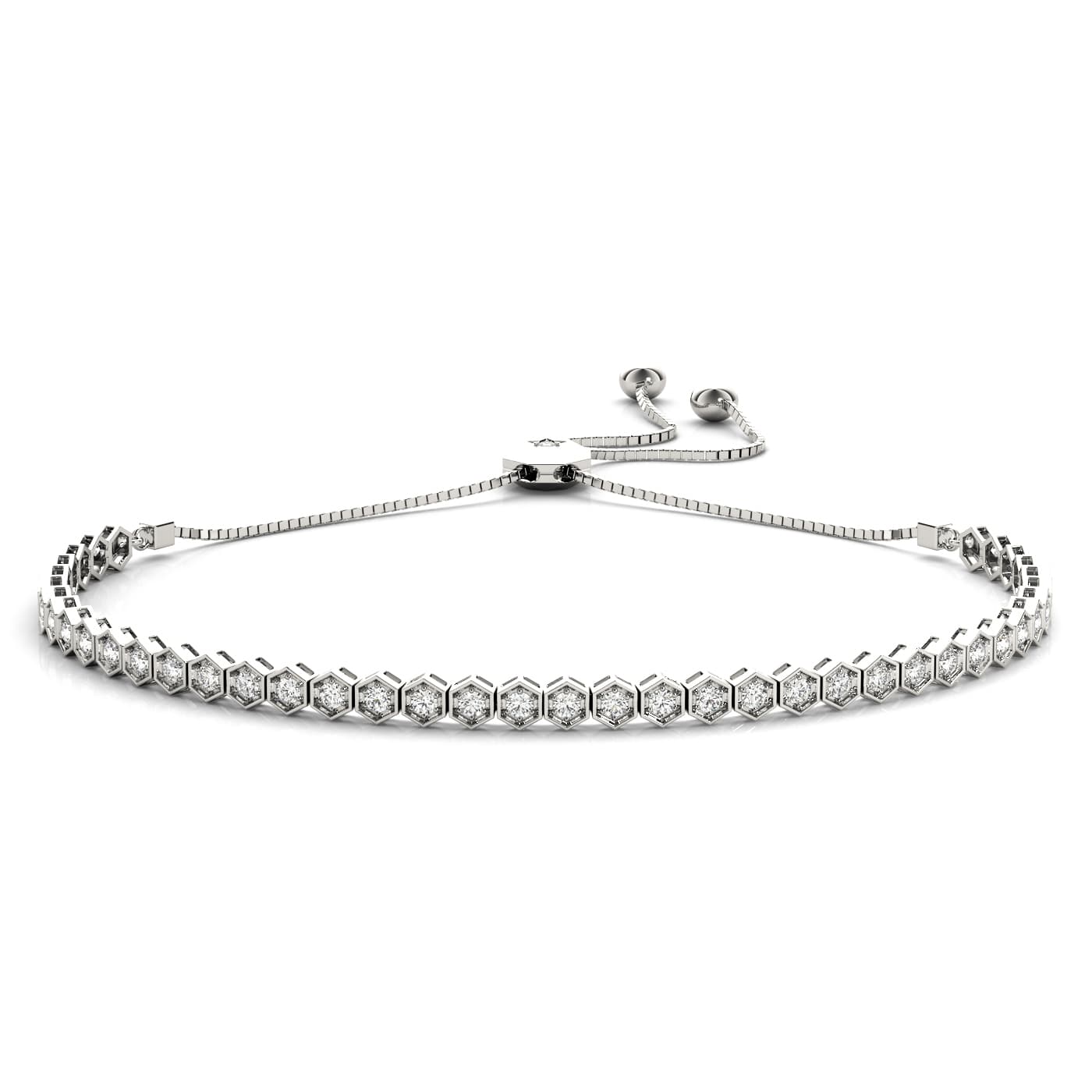
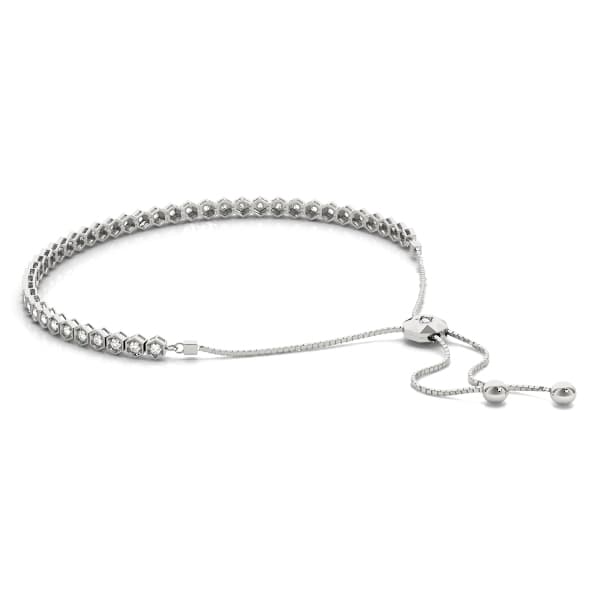
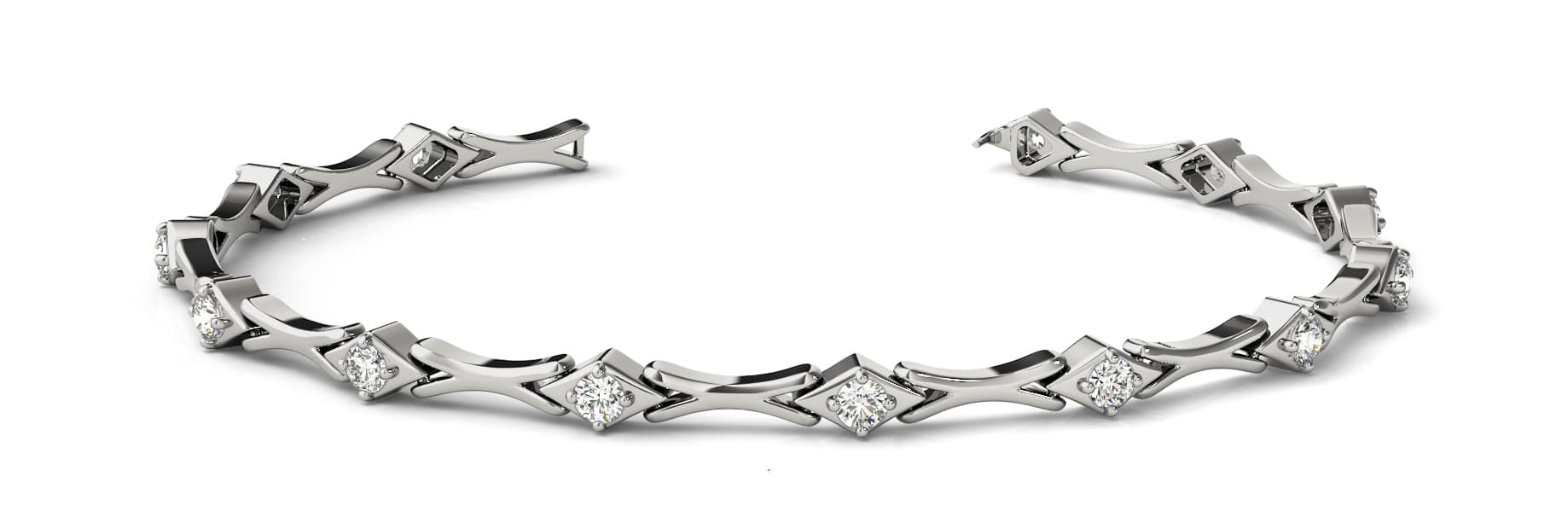
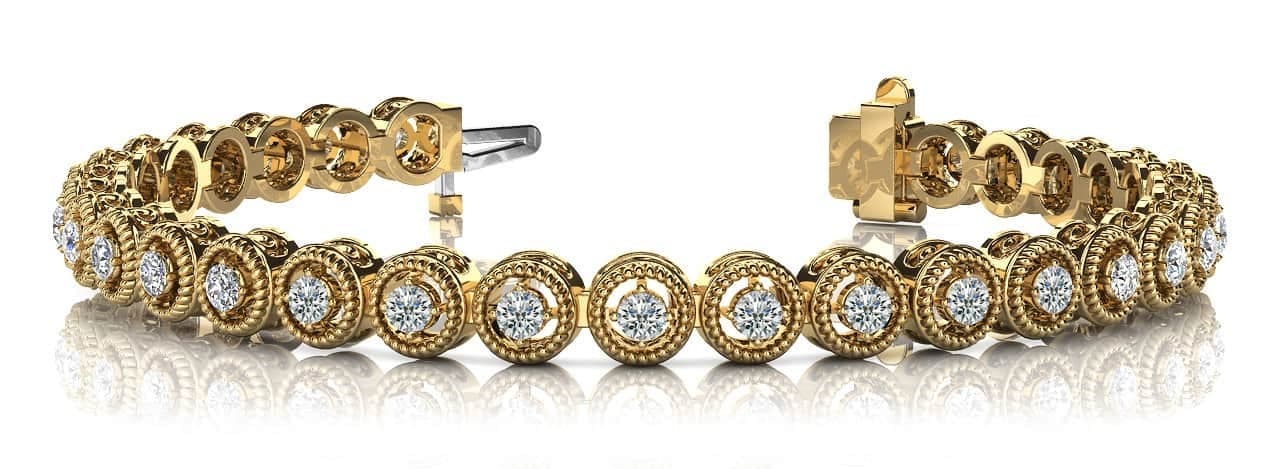
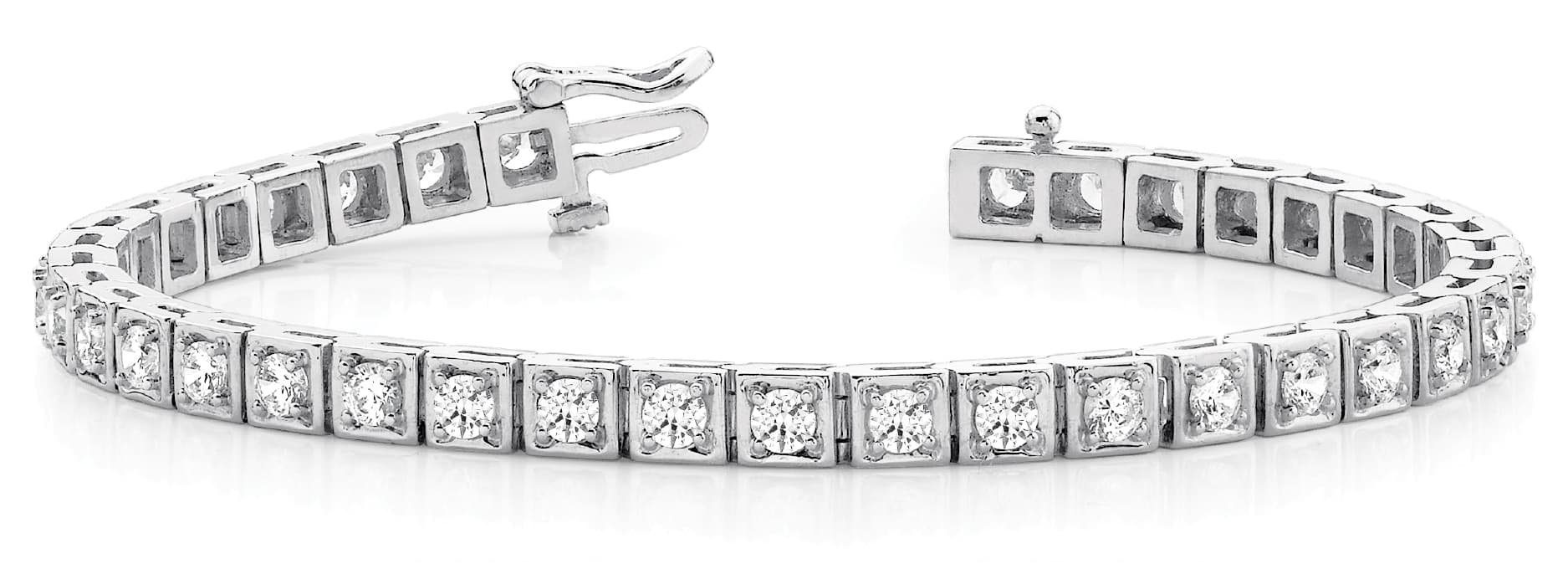
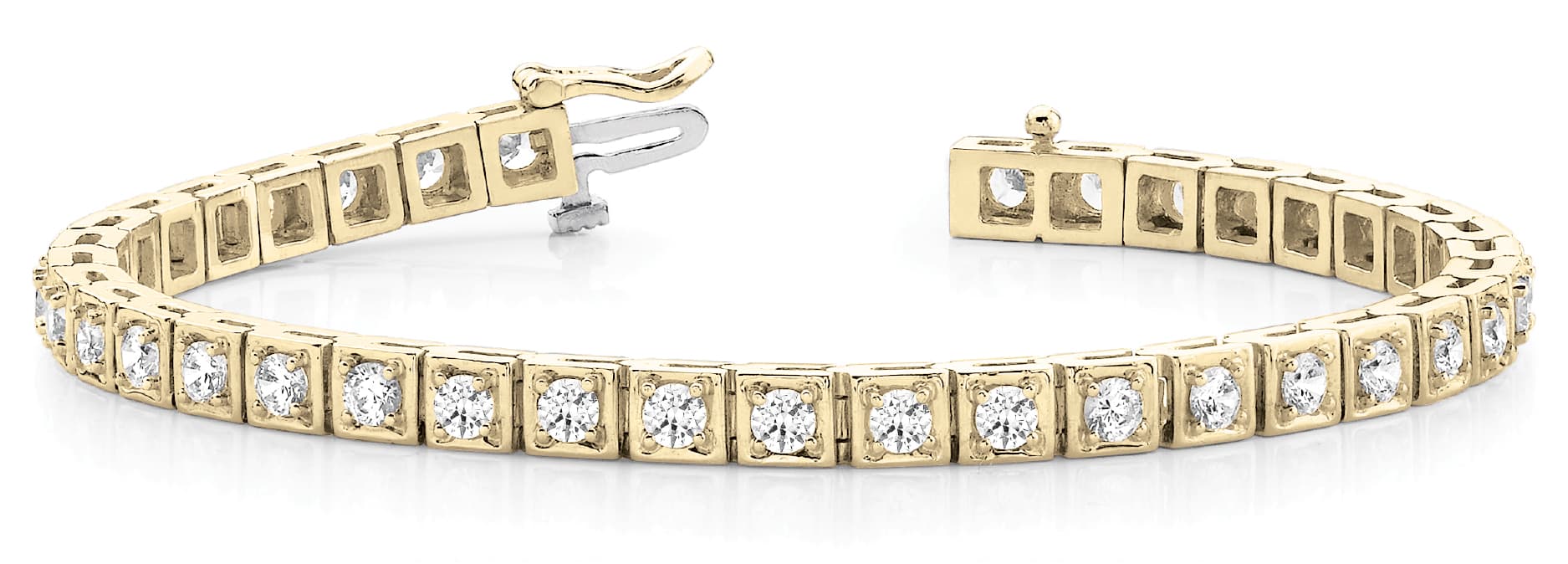
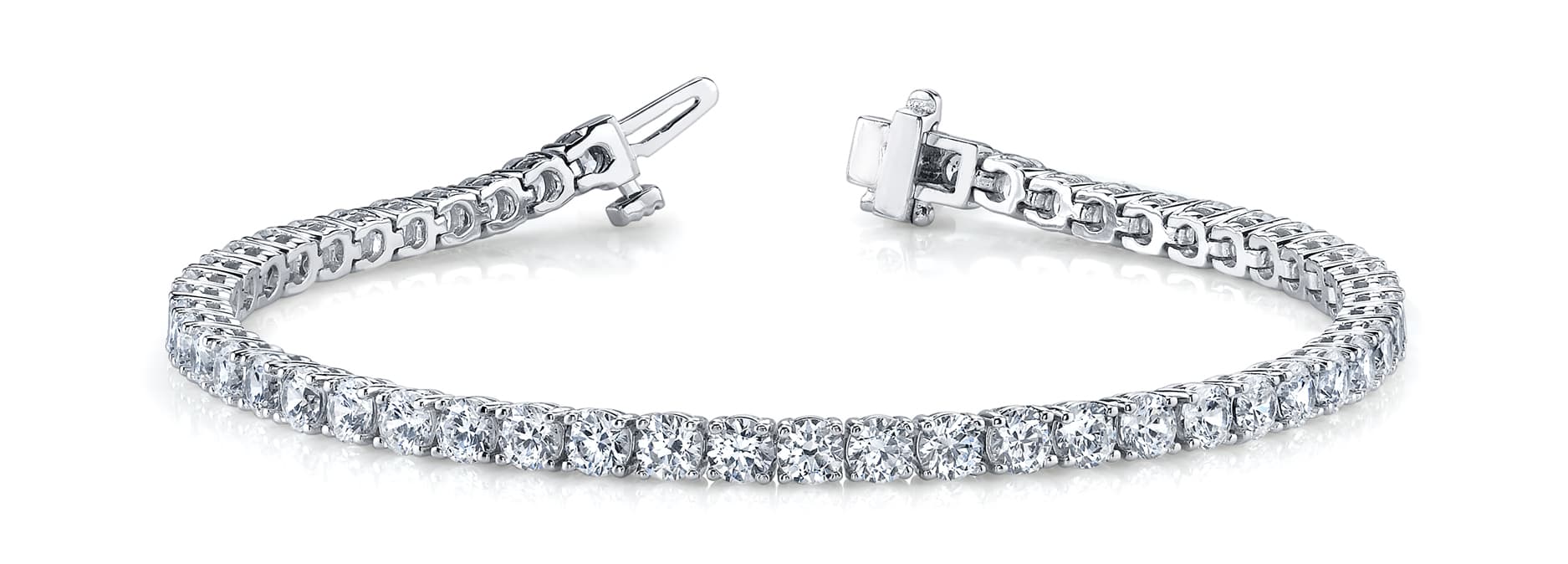
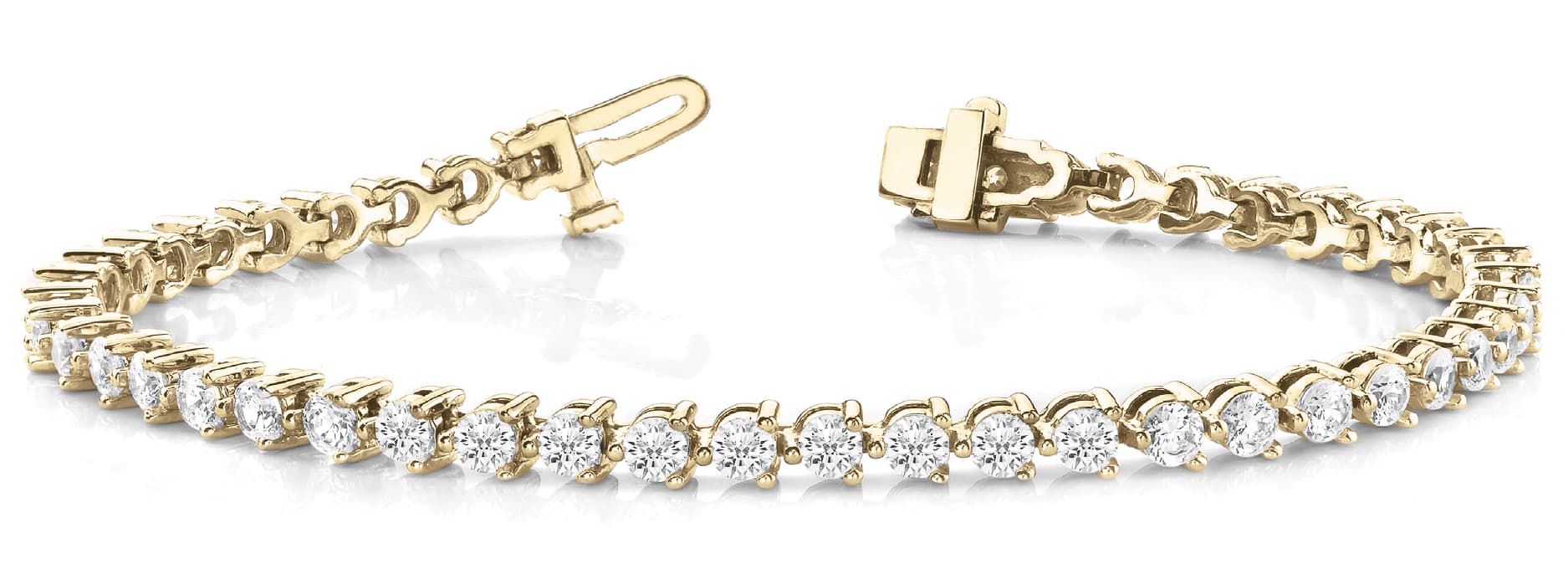
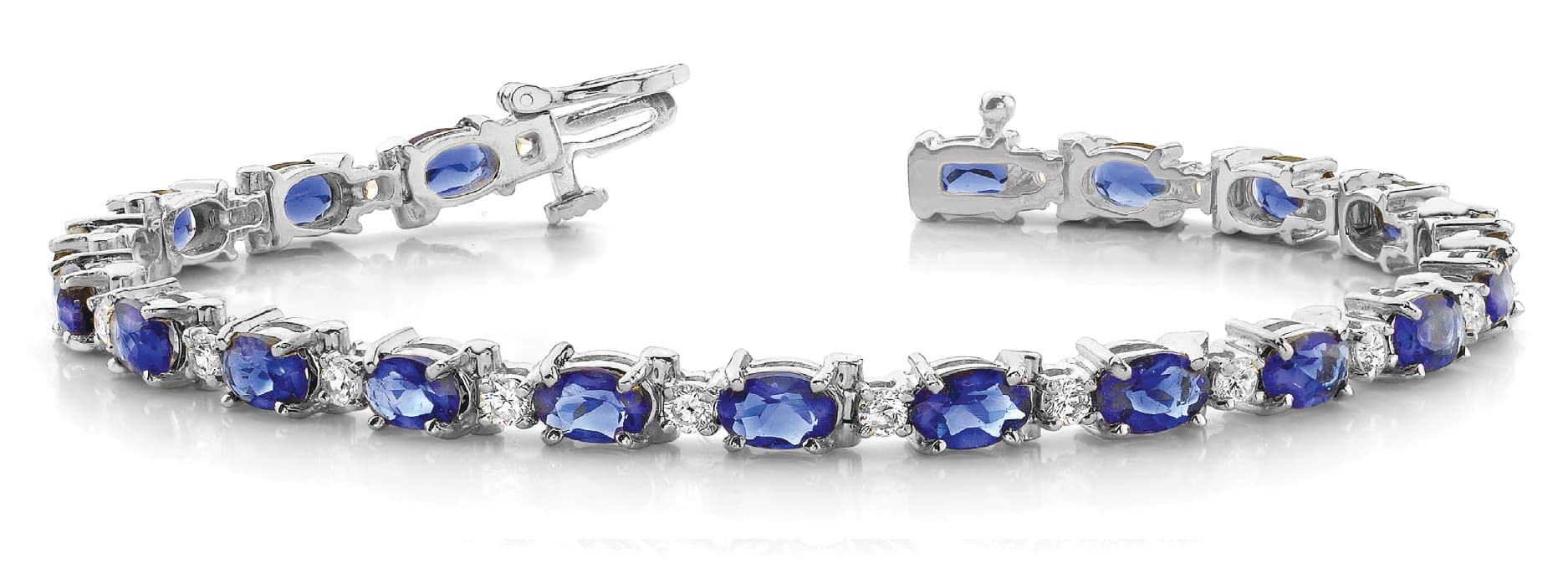
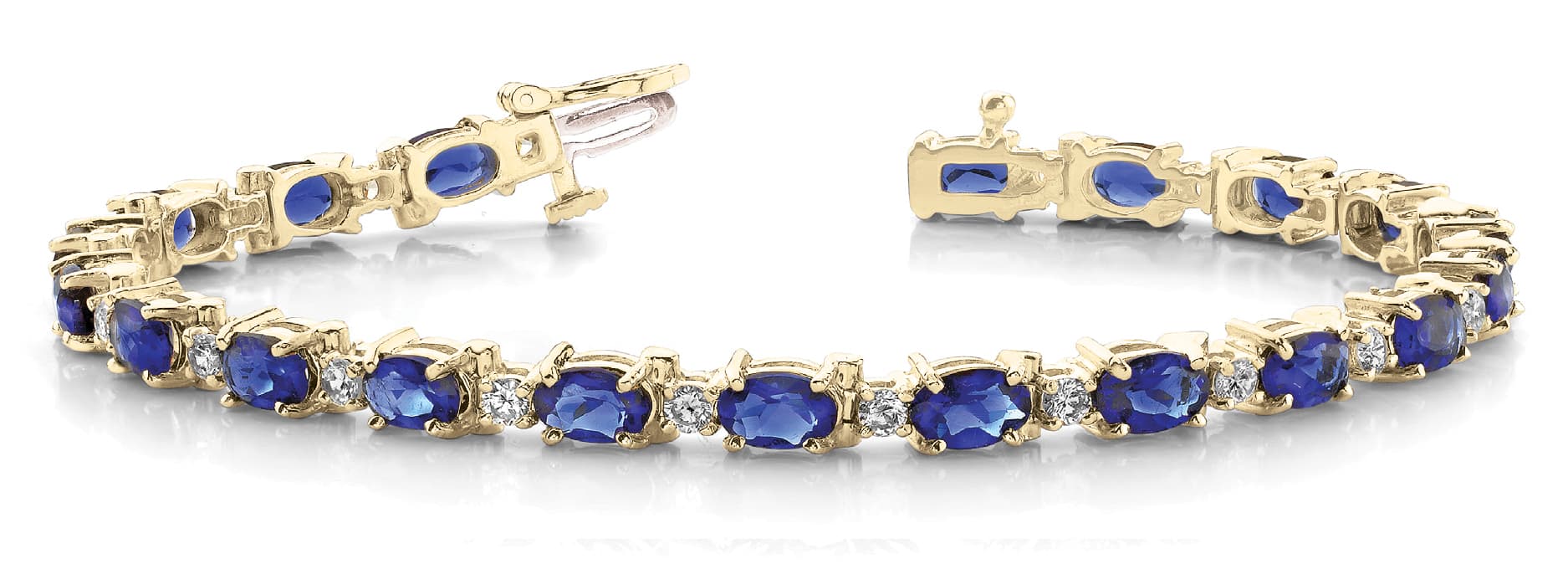
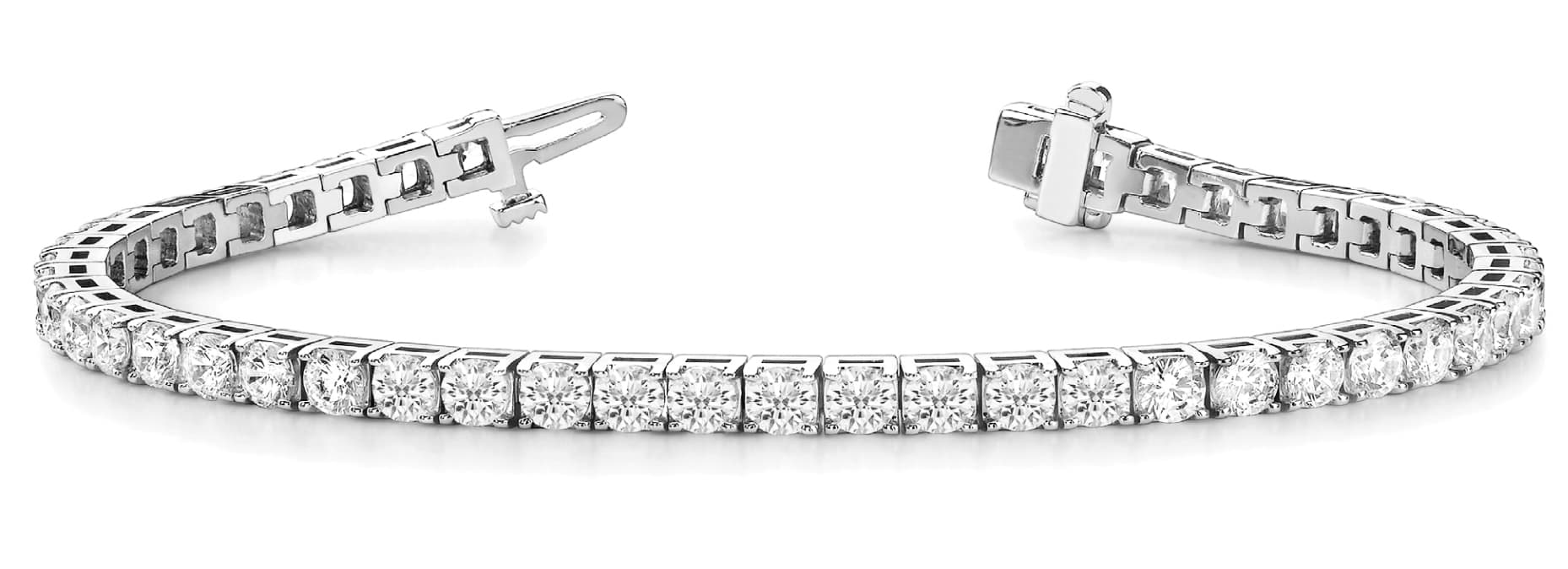
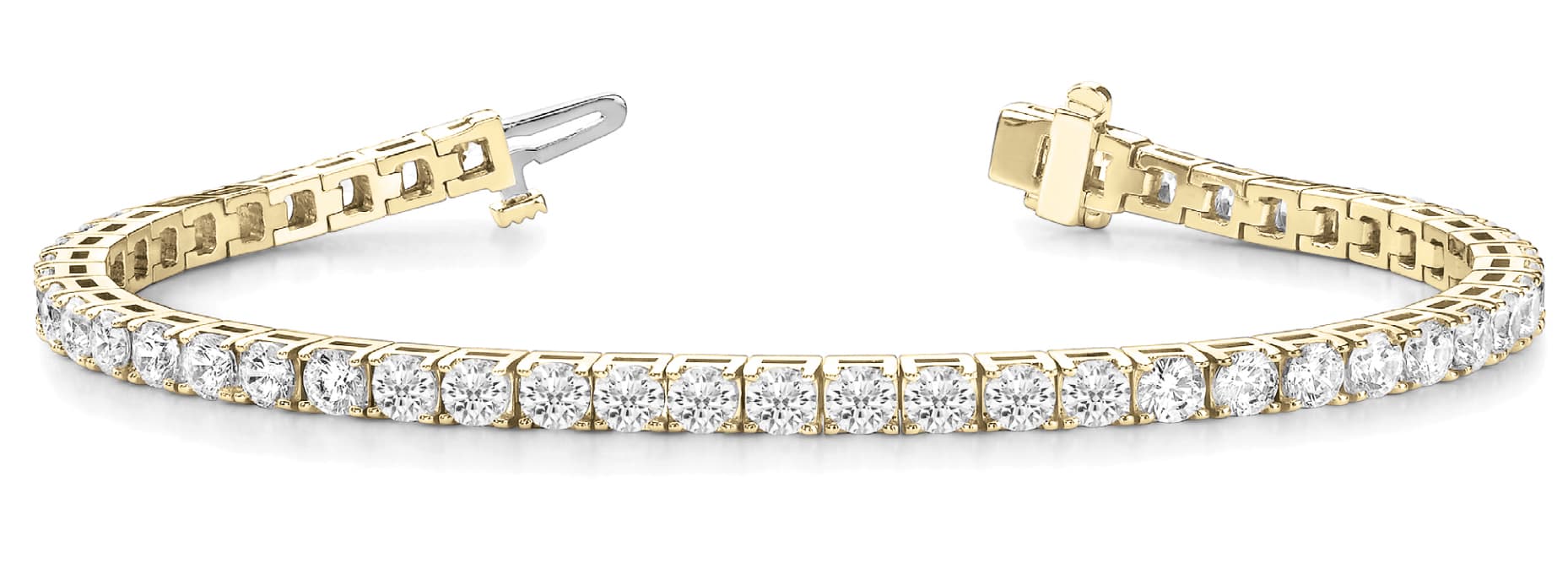
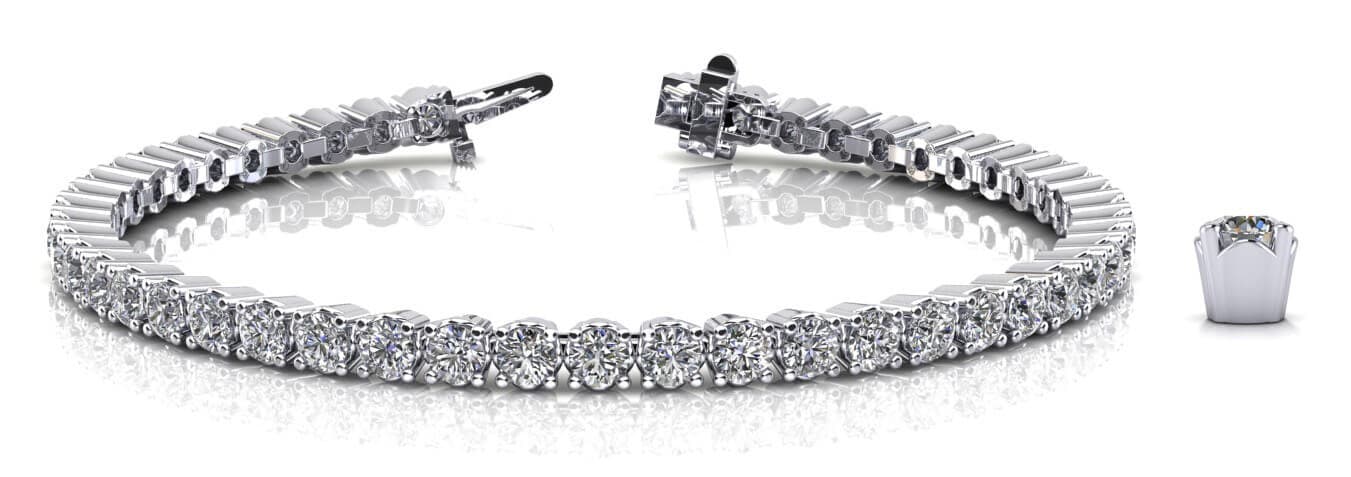
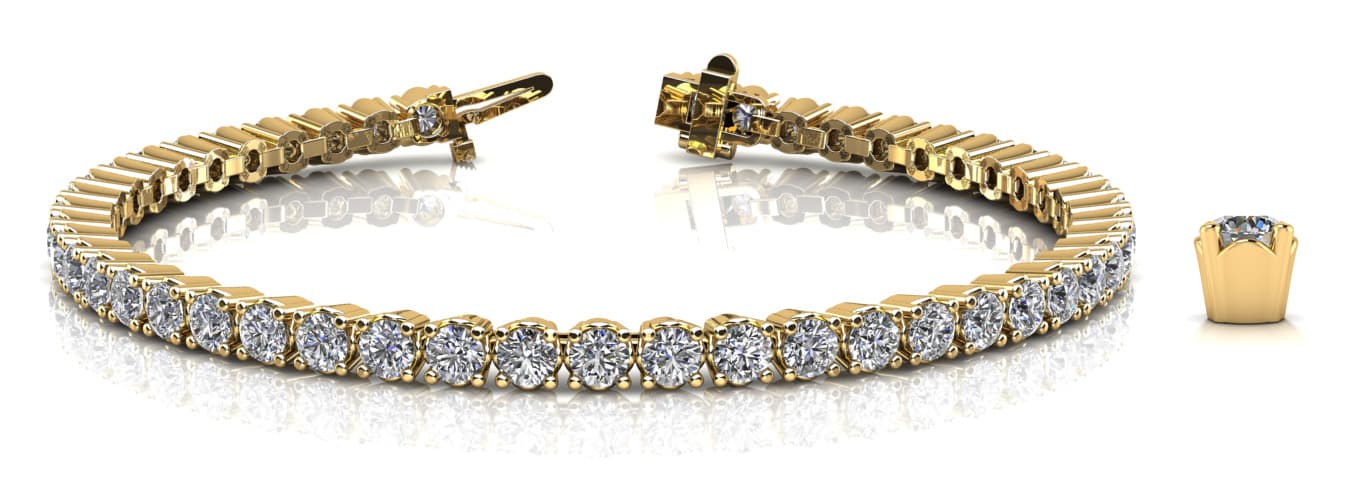
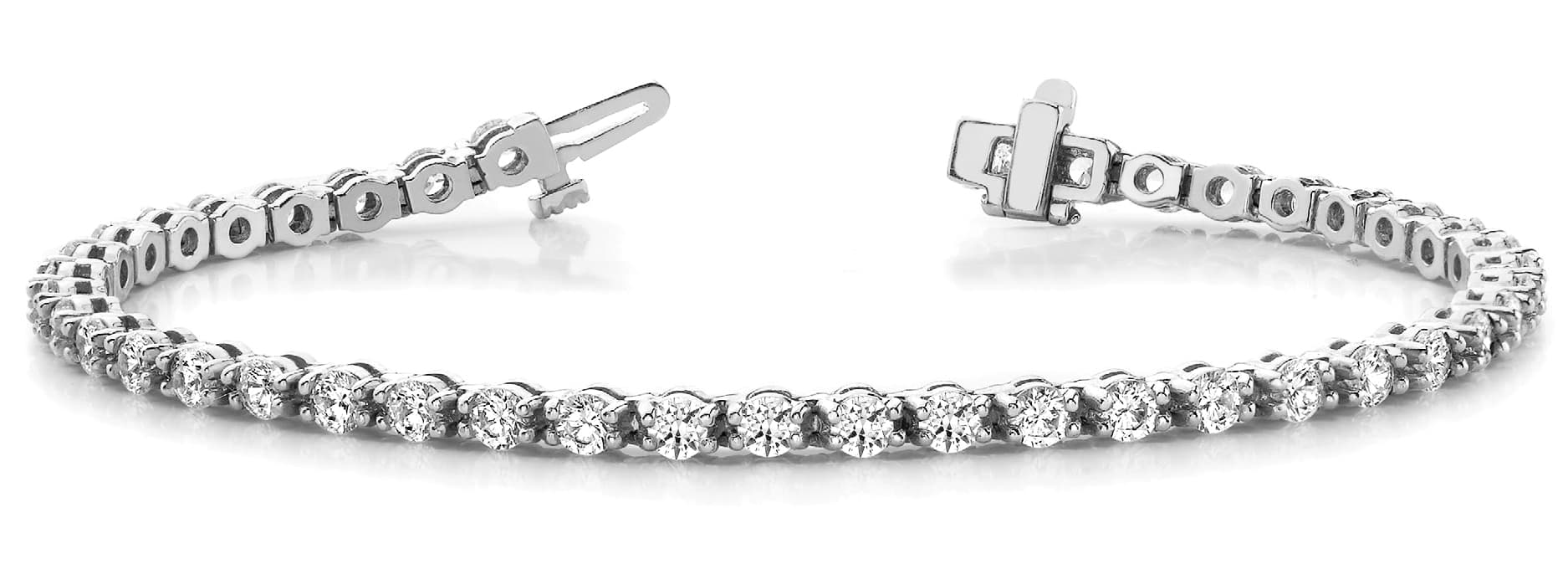
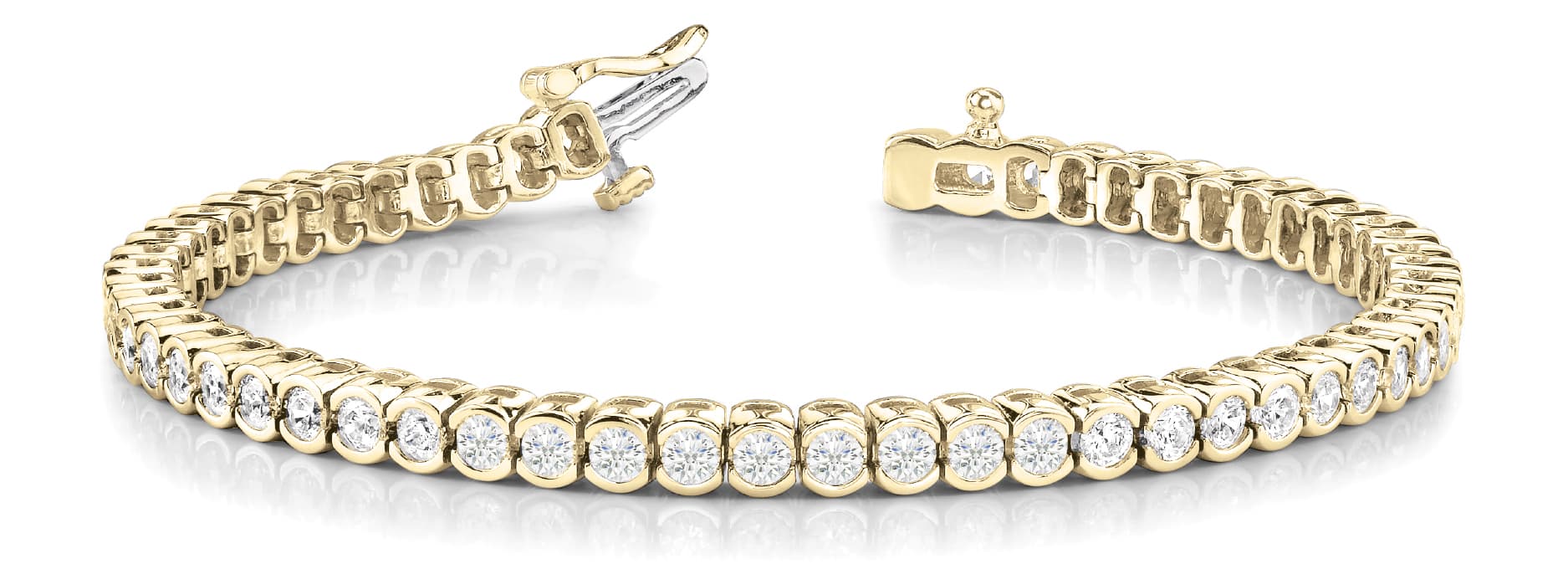
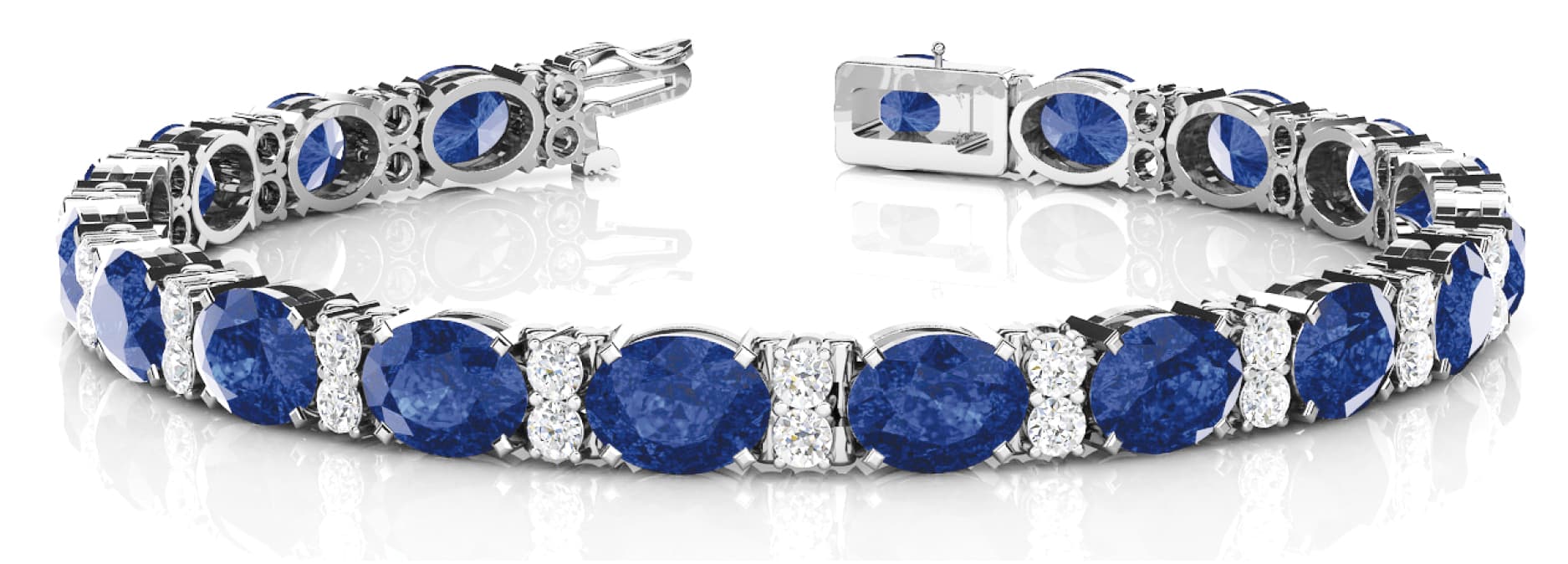
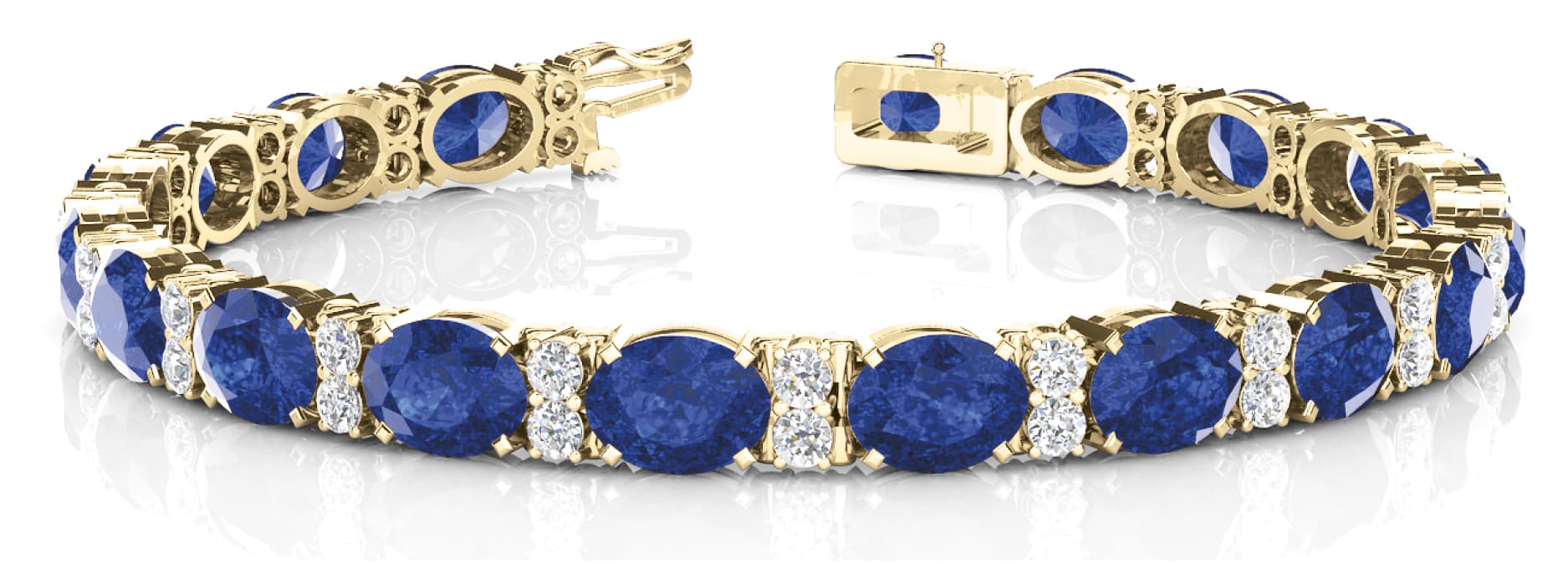
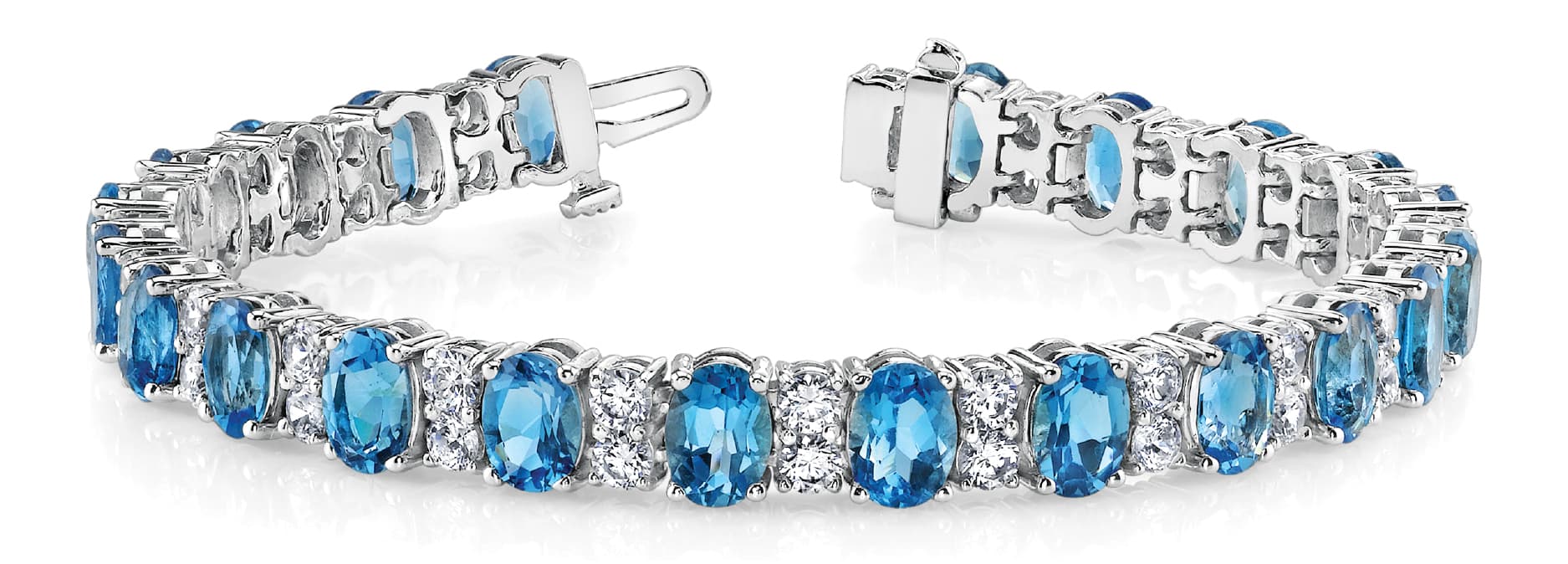
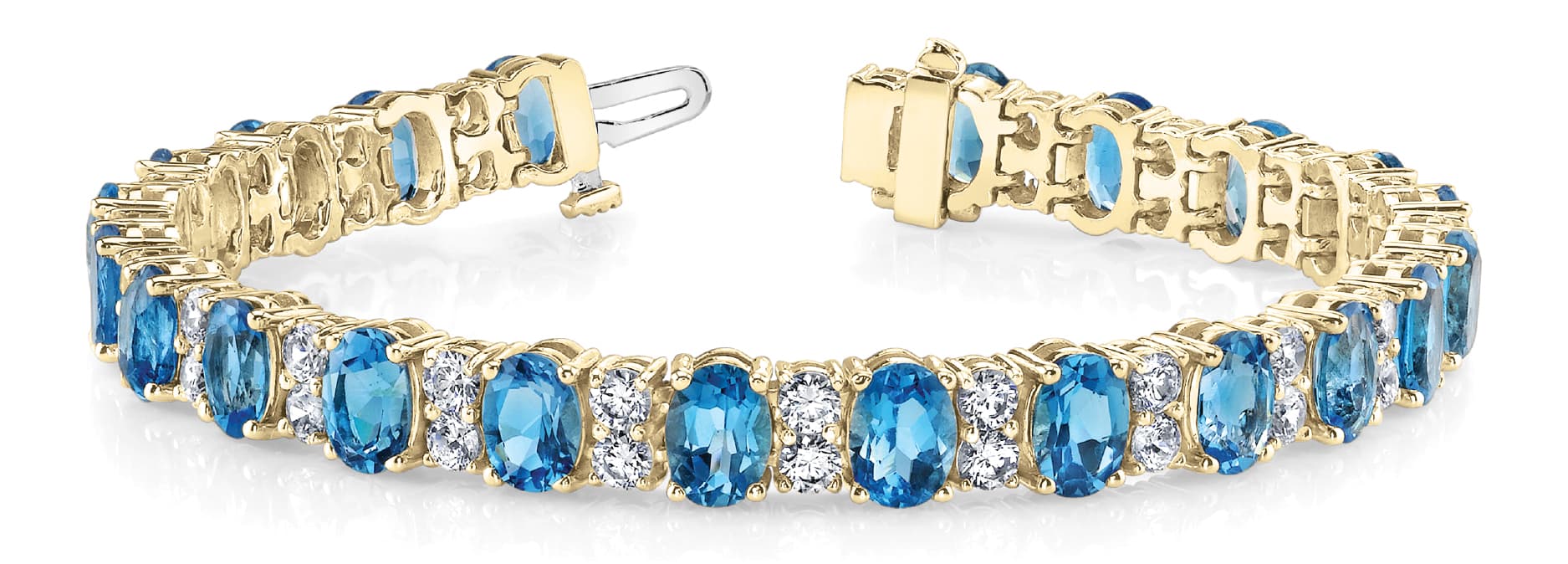
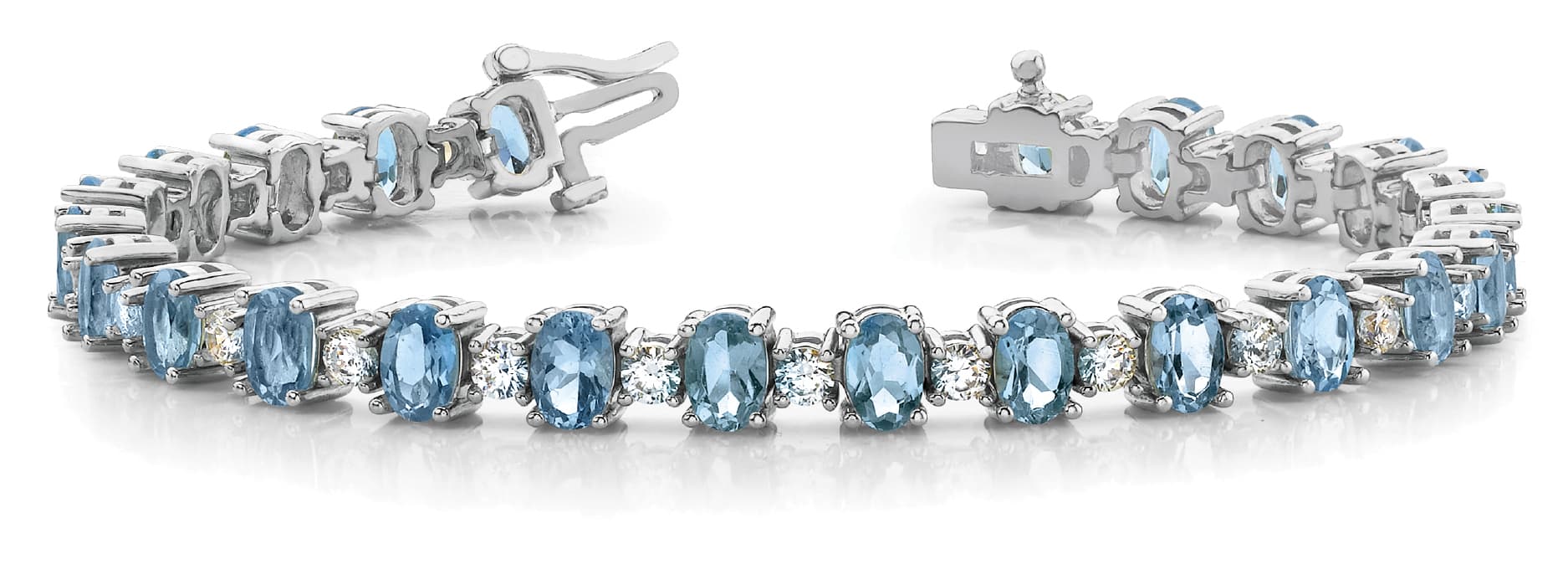
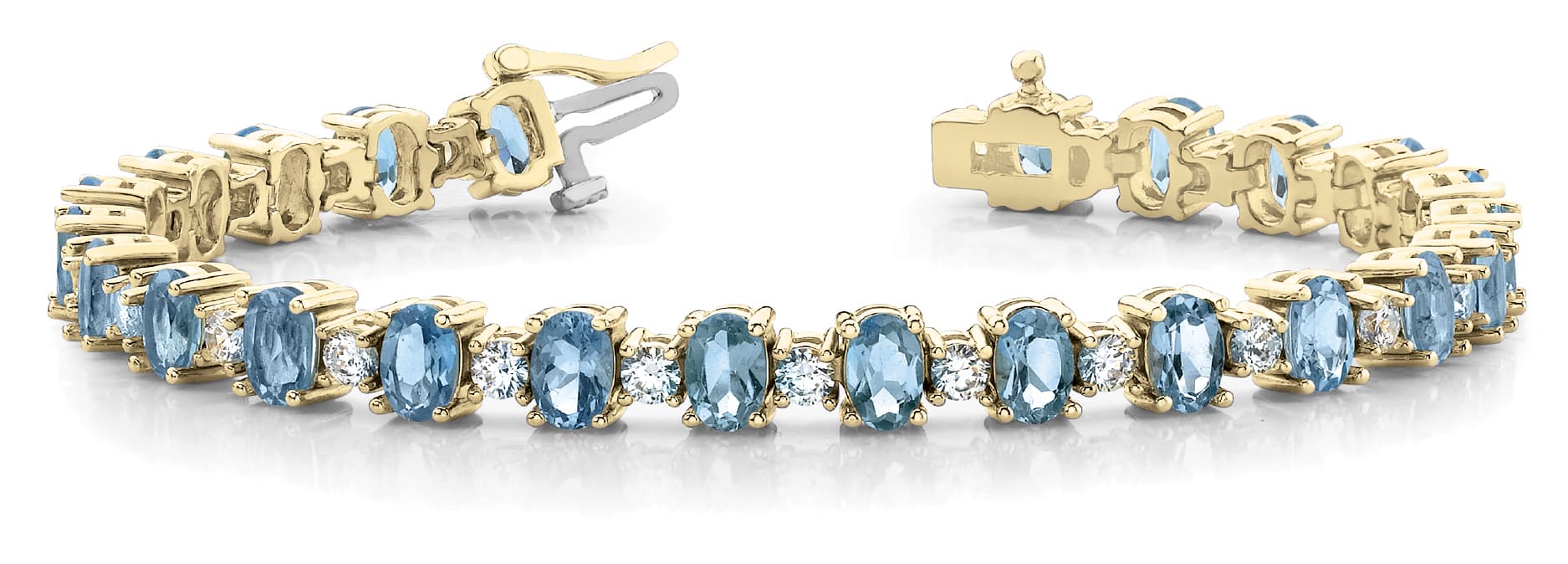
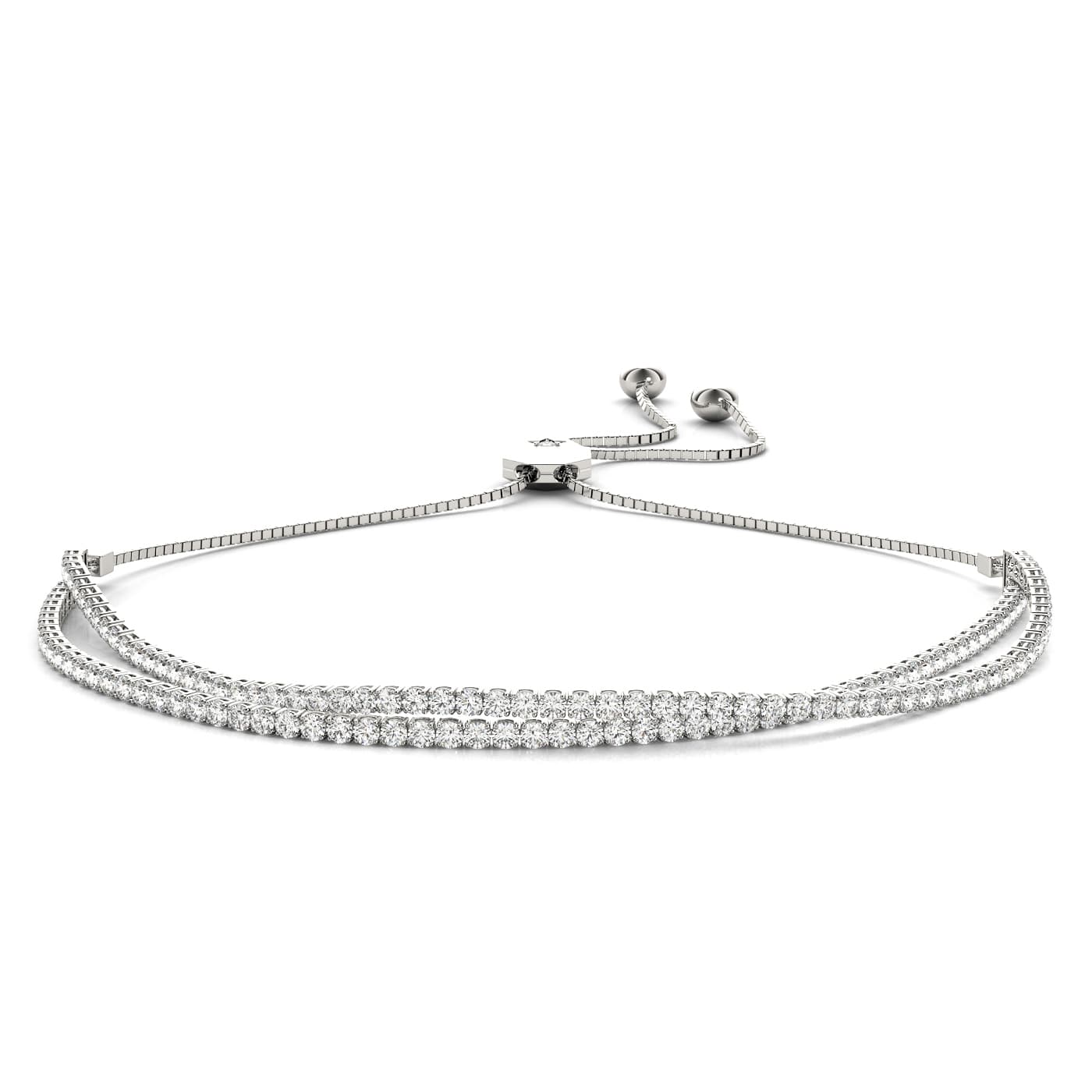
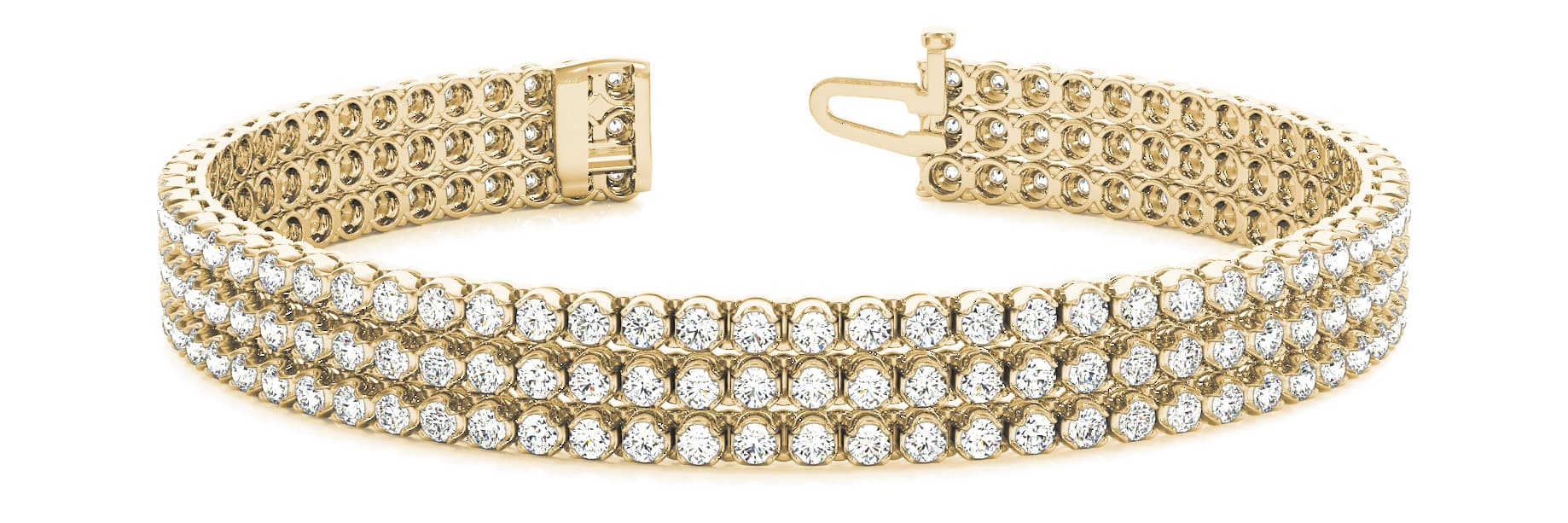
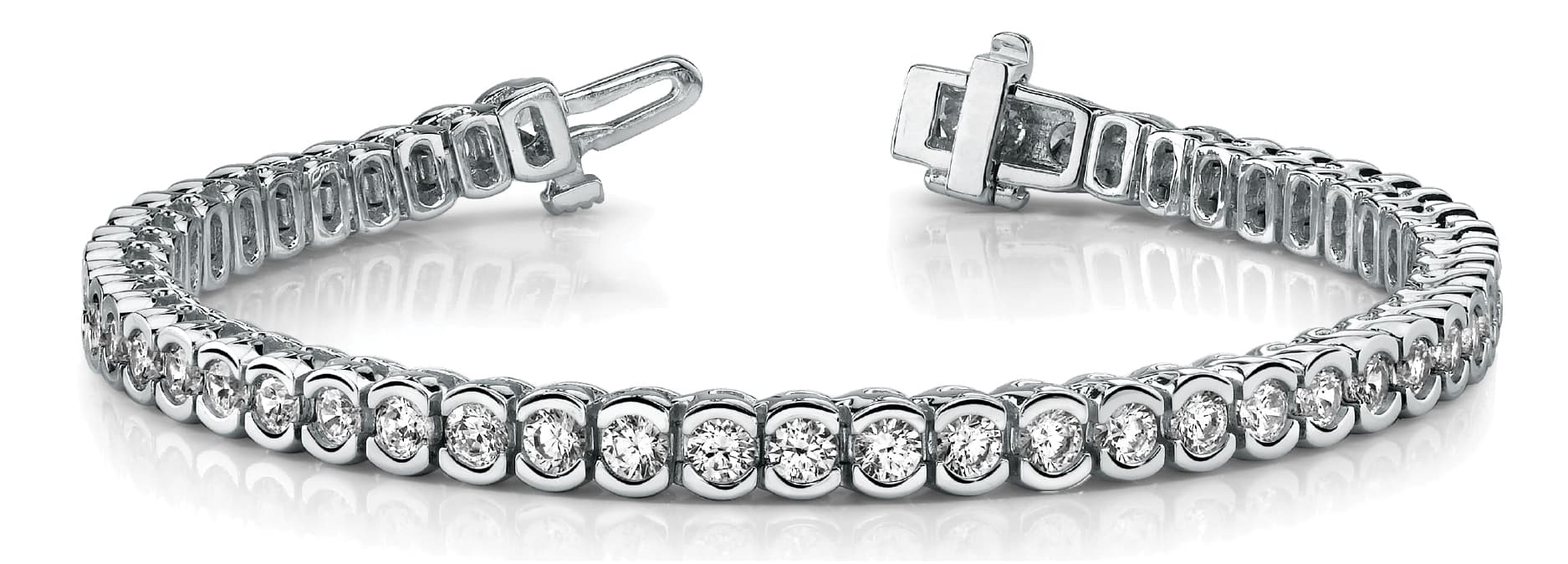
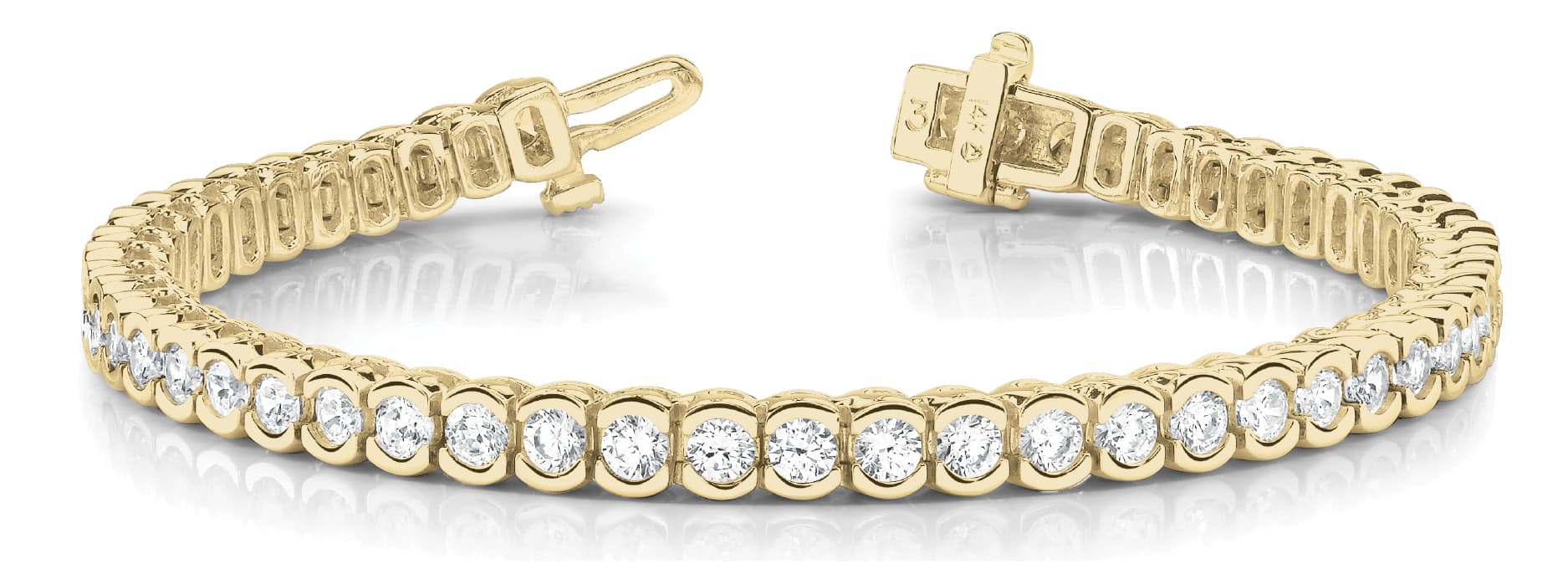
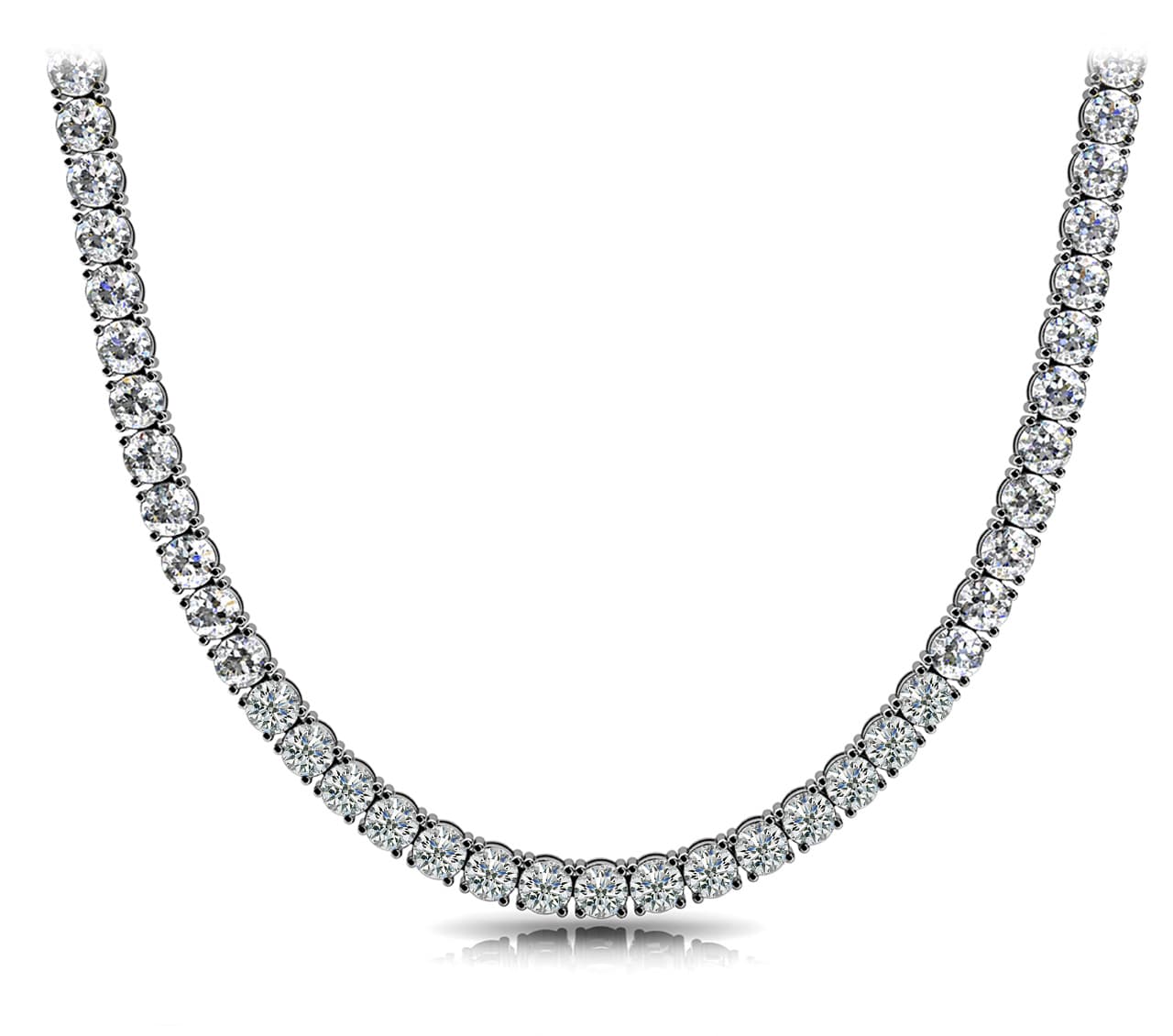
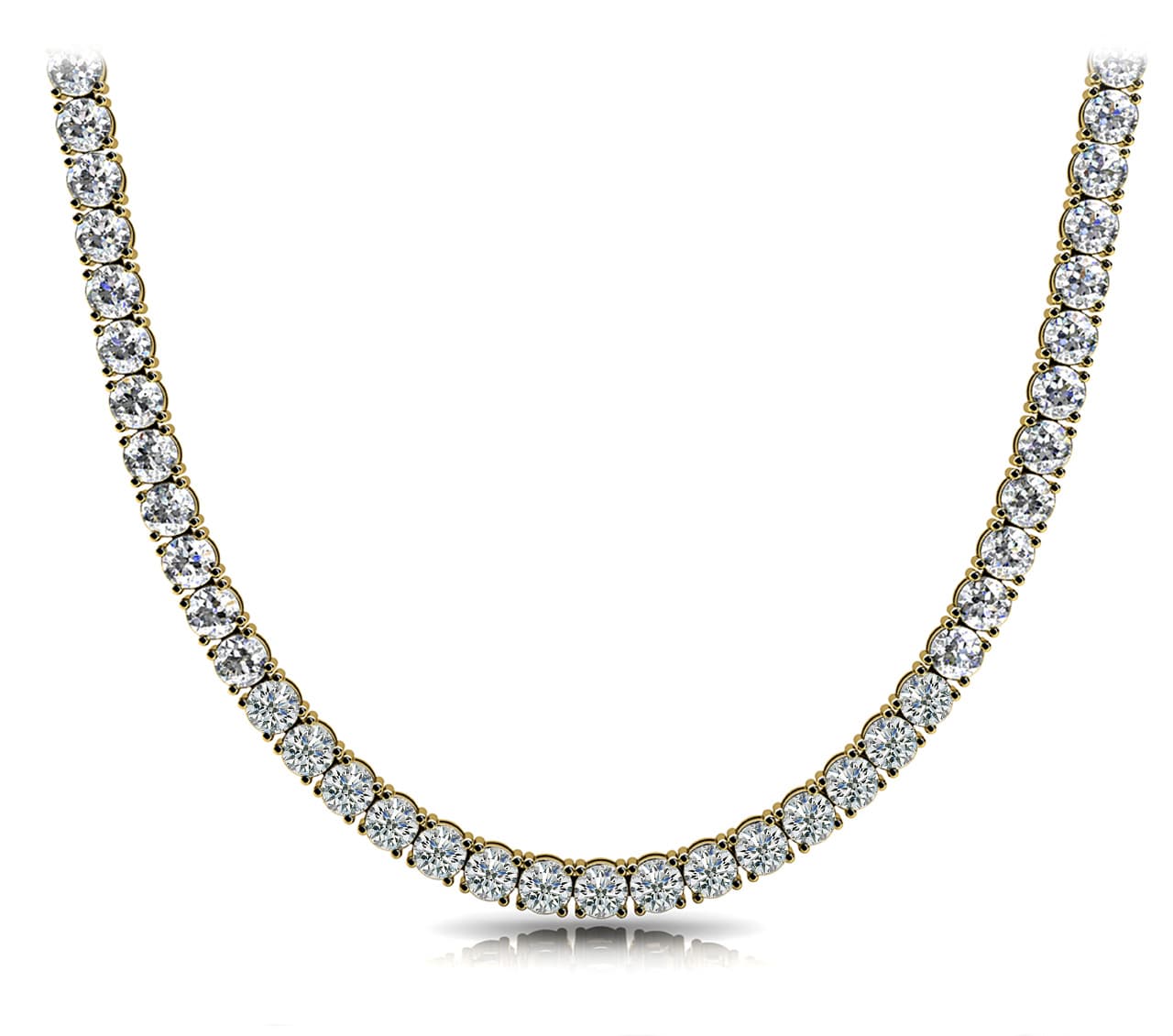
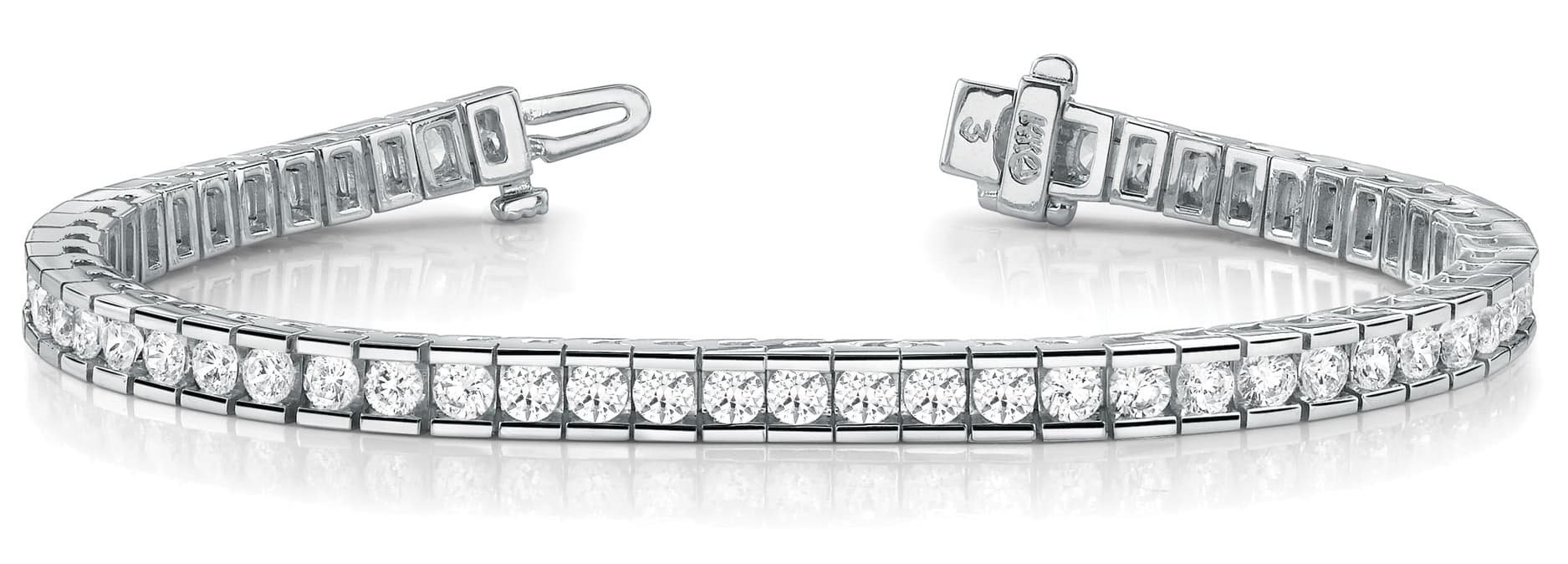
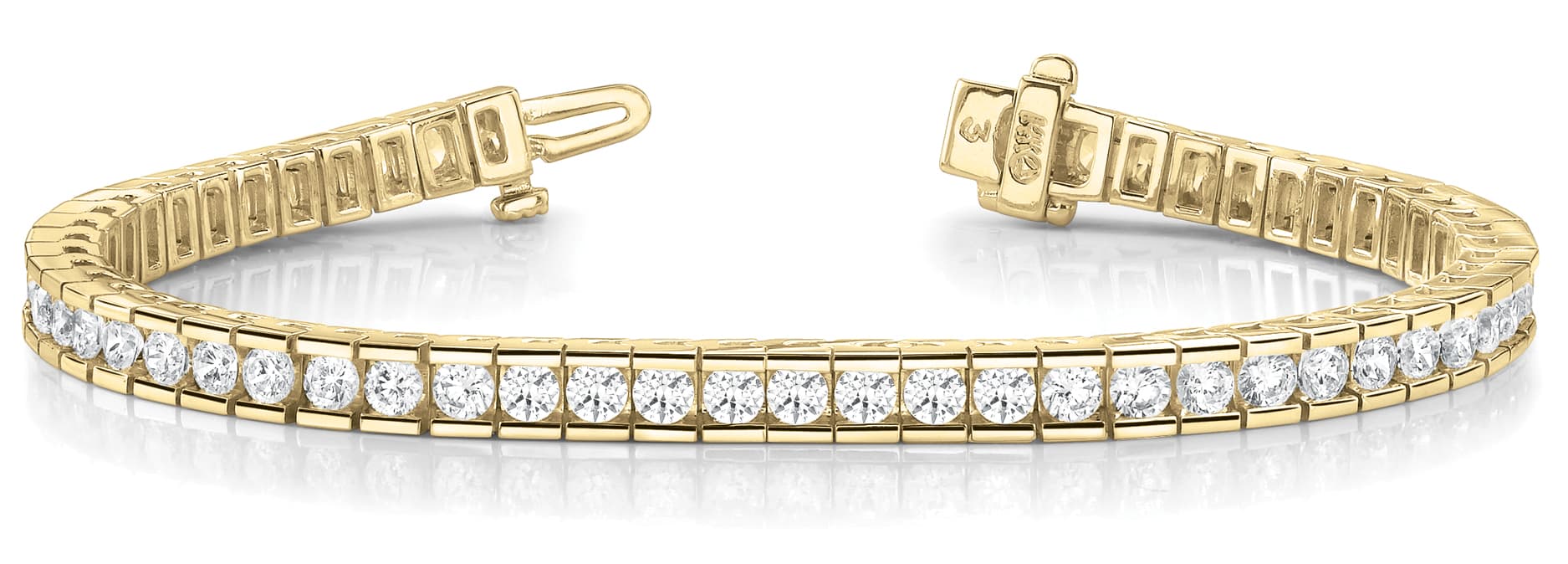
About tennis bracelets
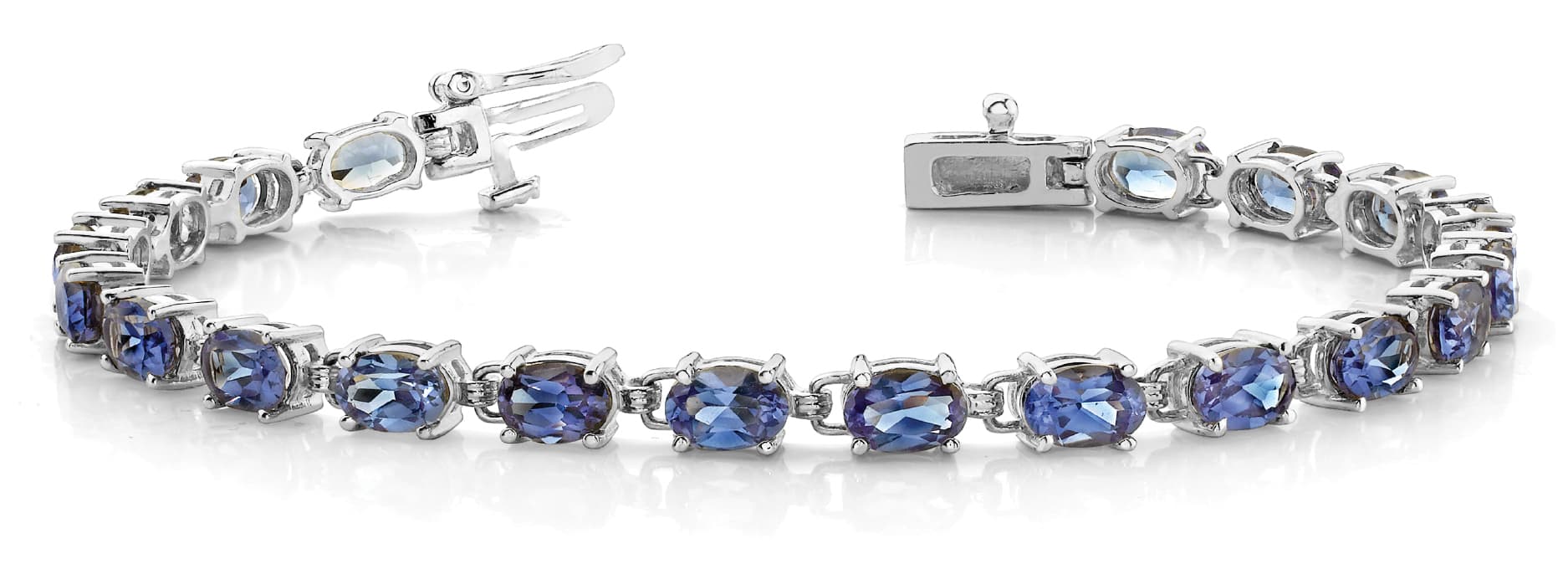
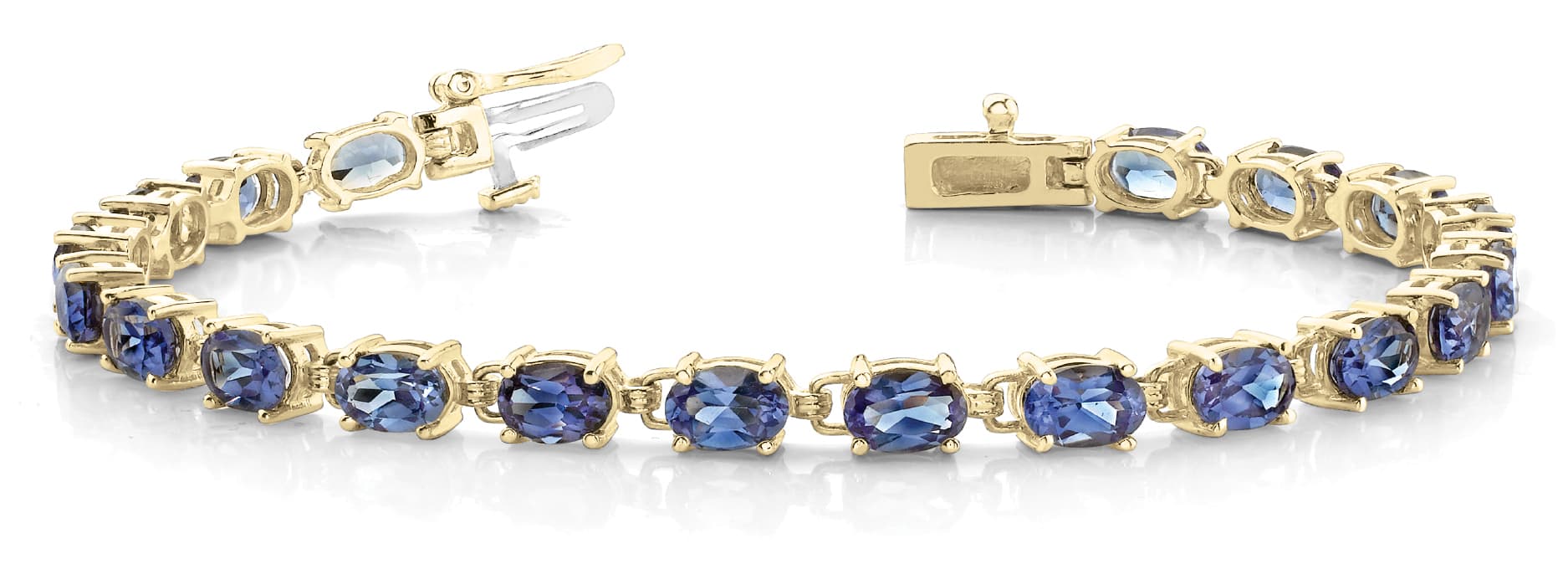
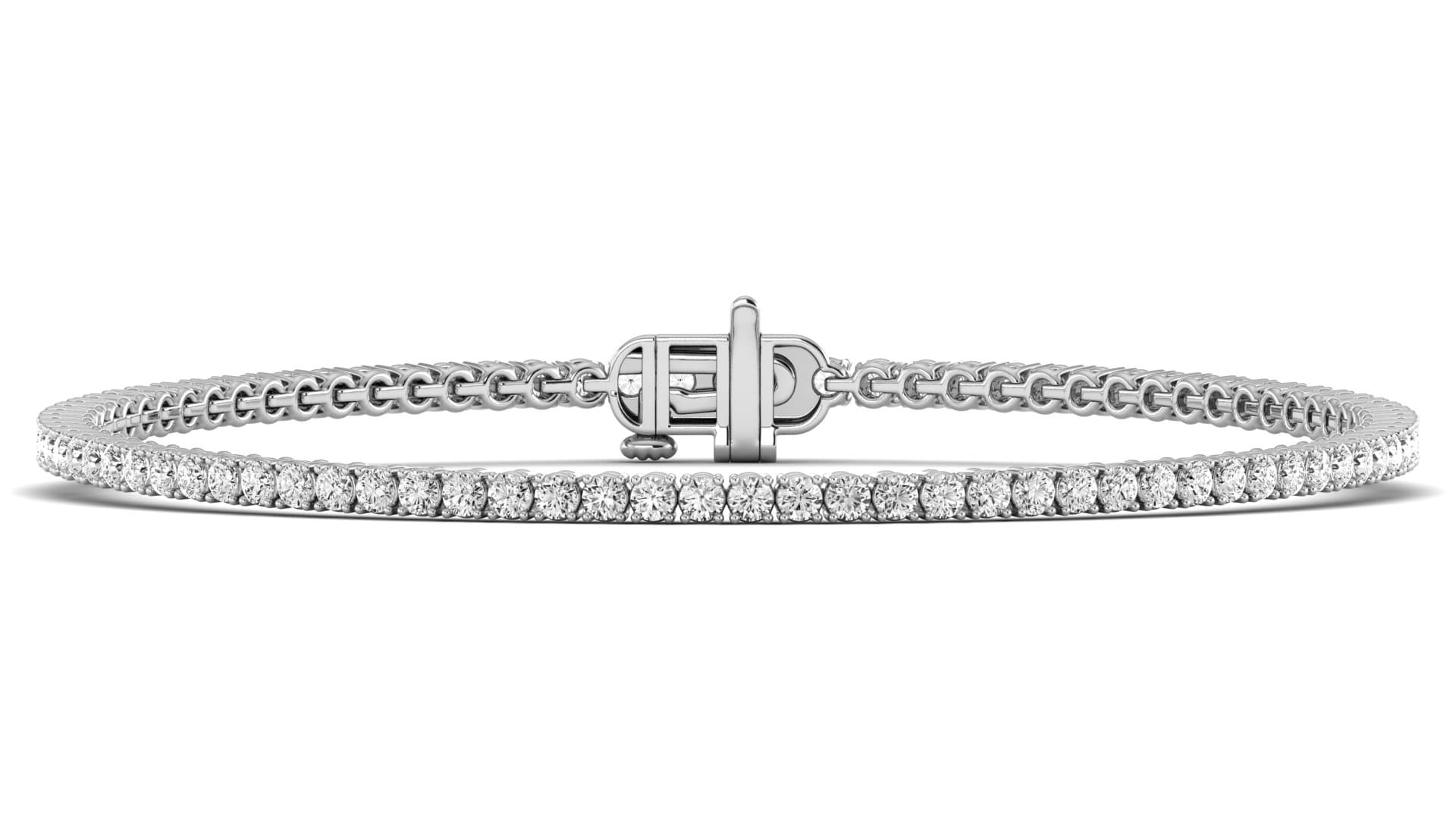
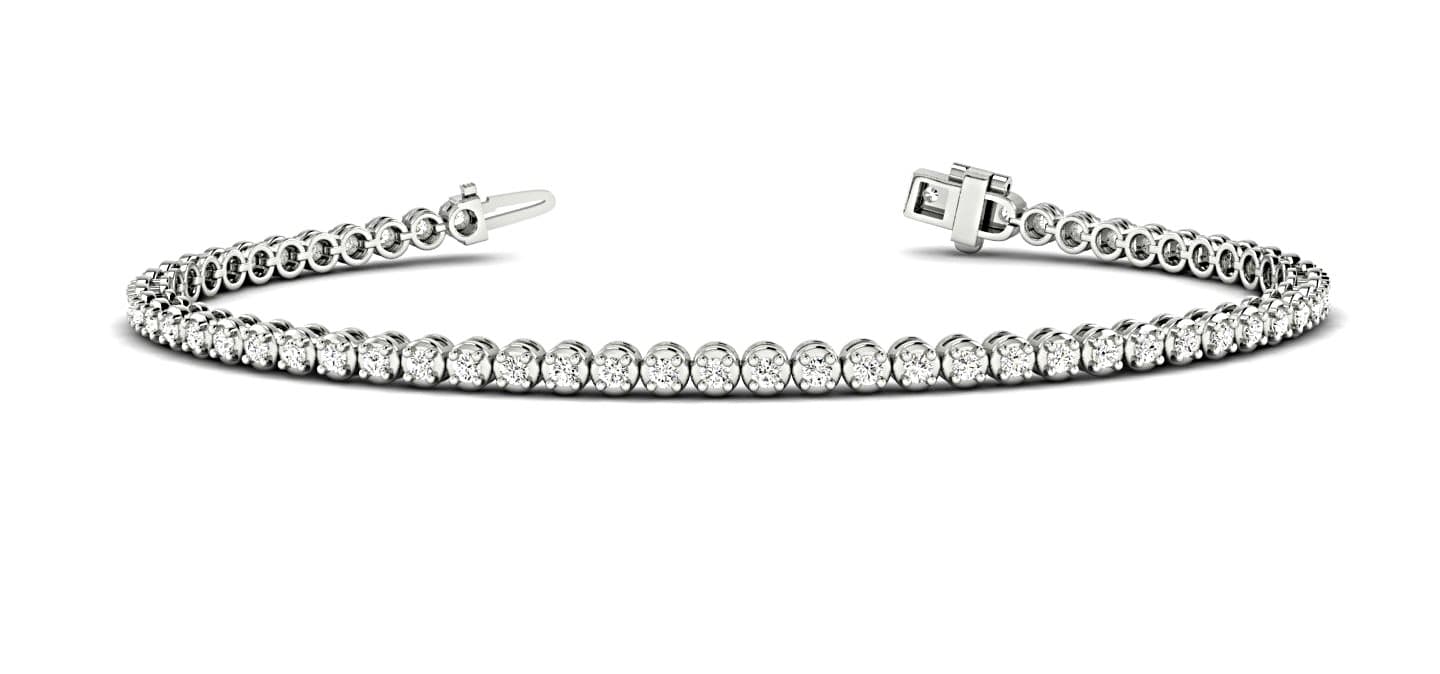
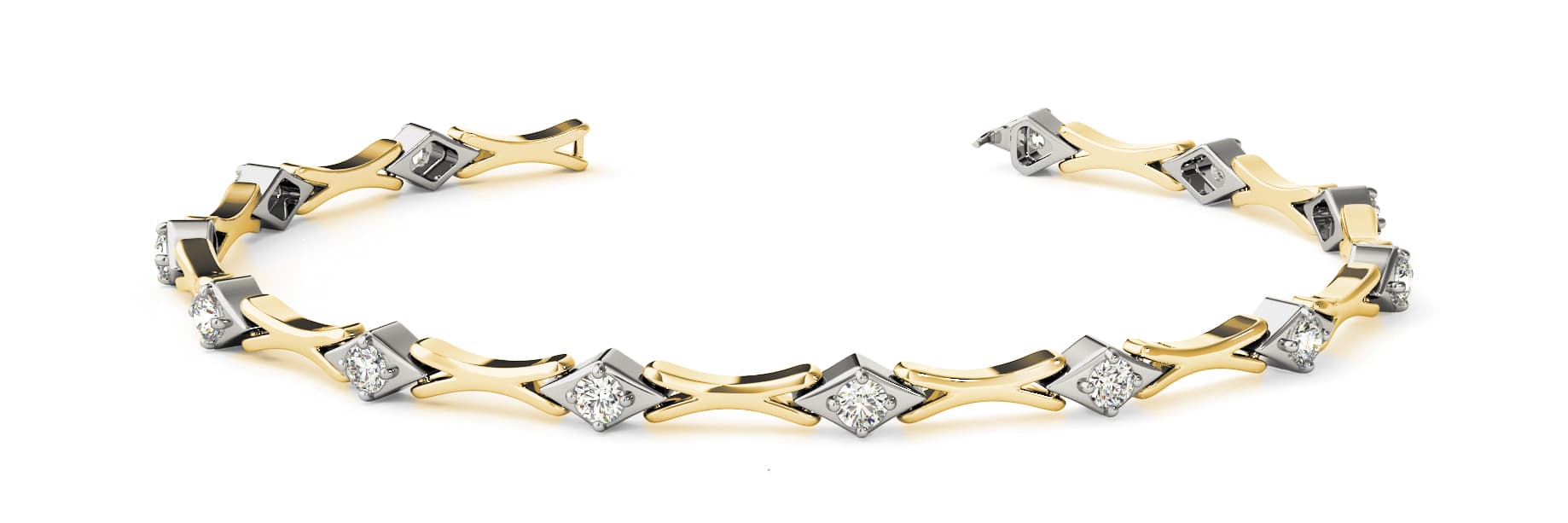
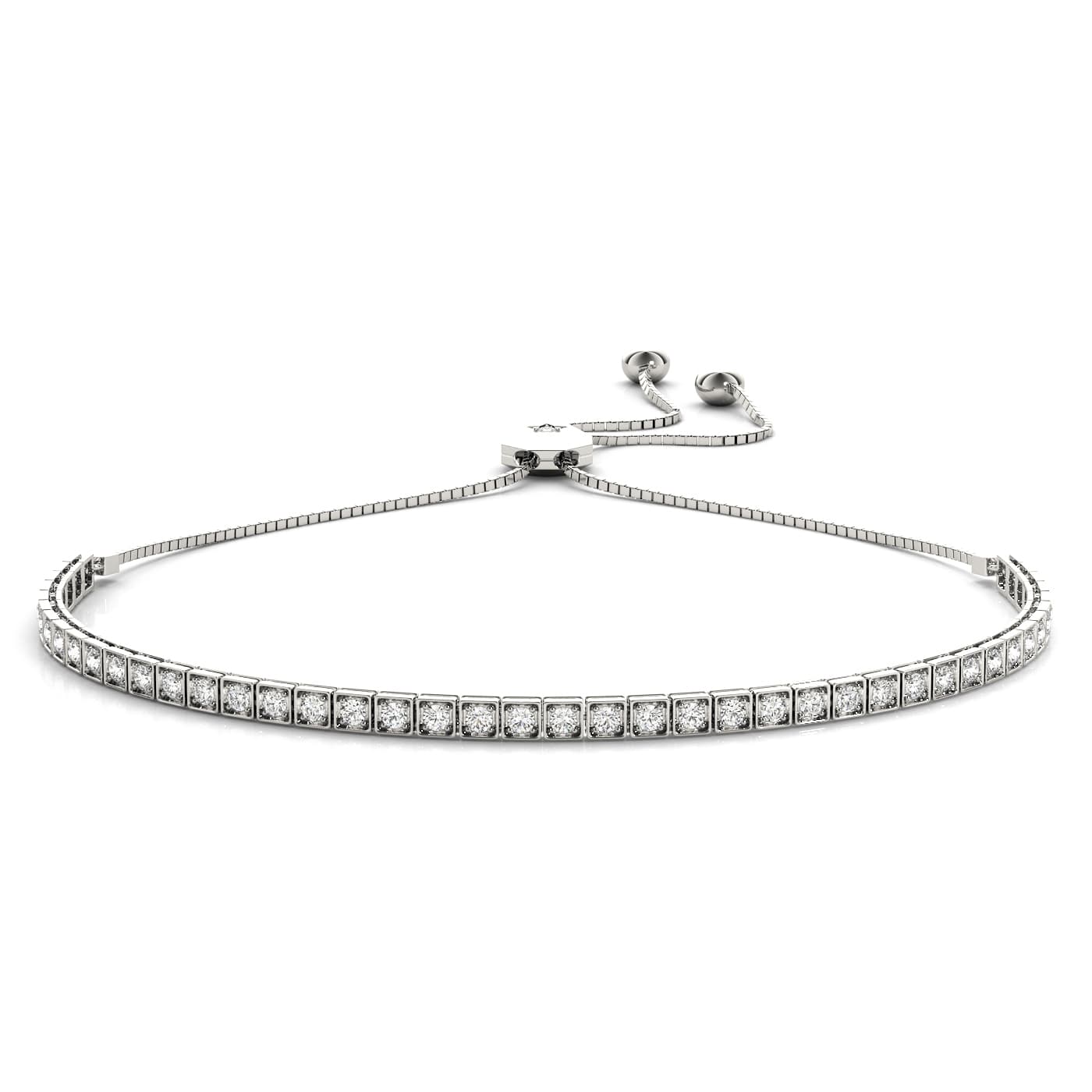
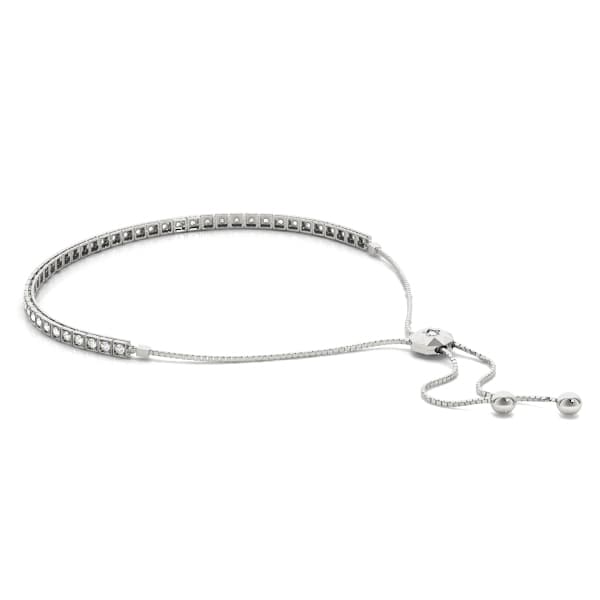
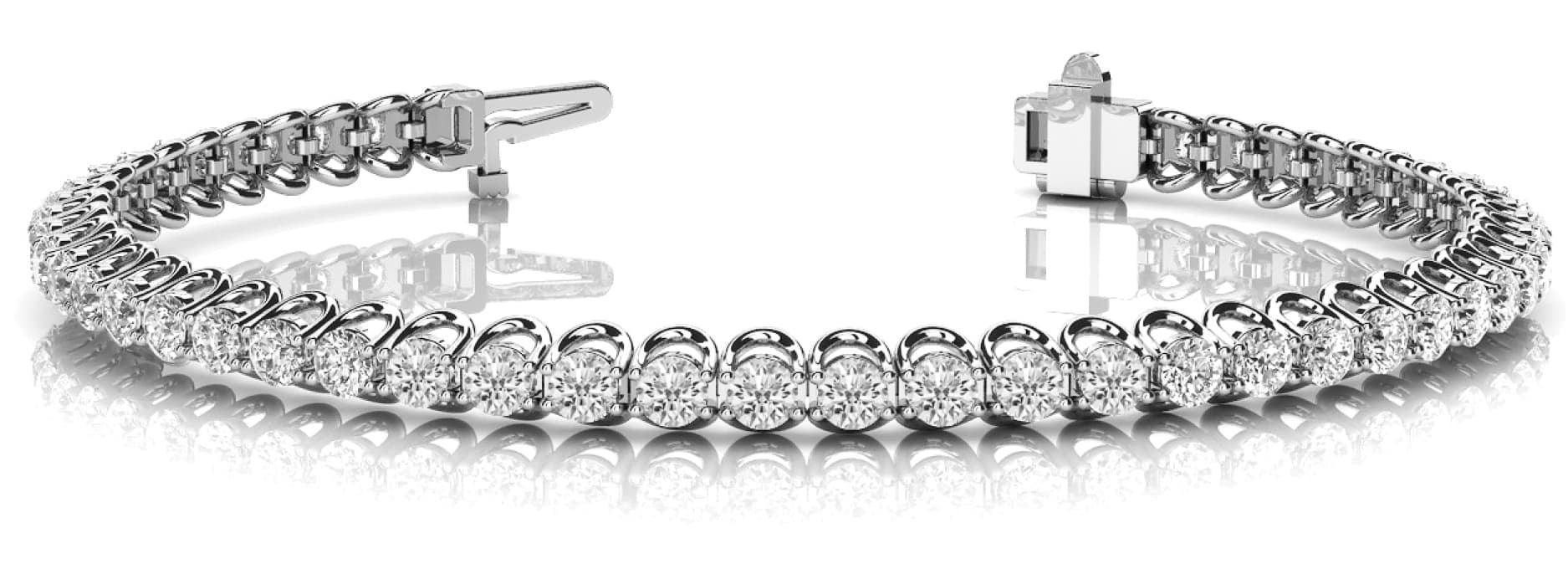
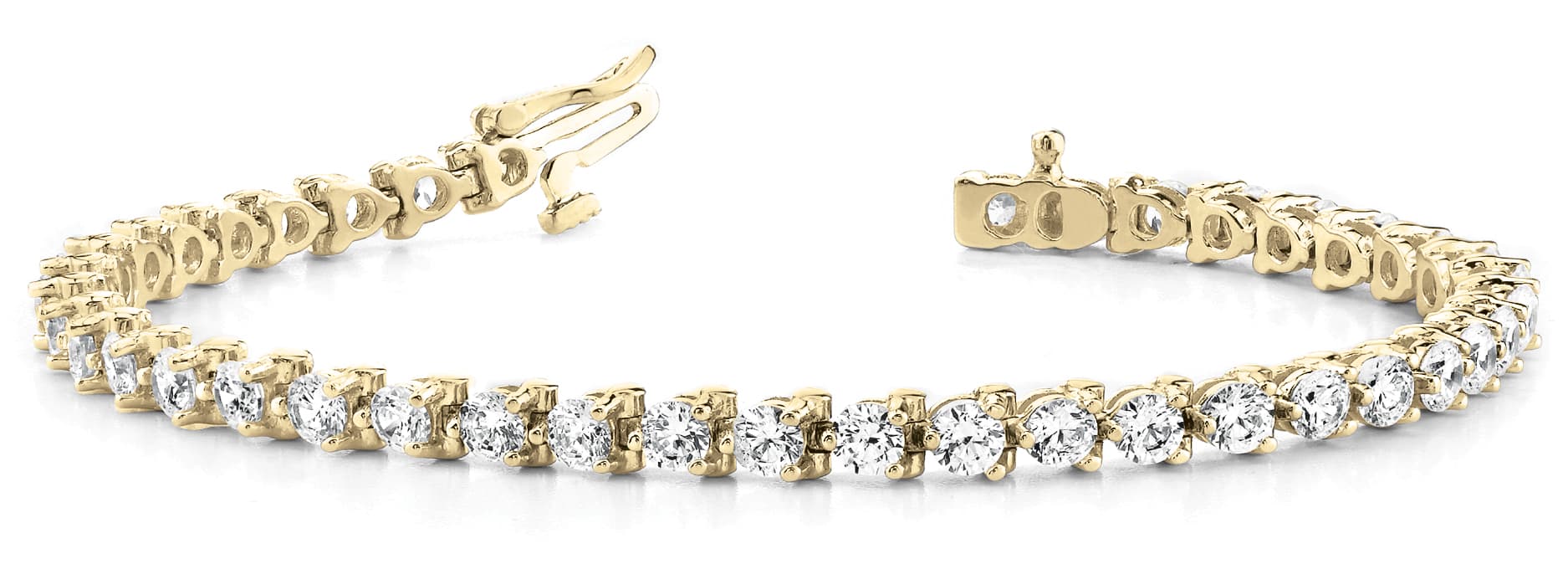
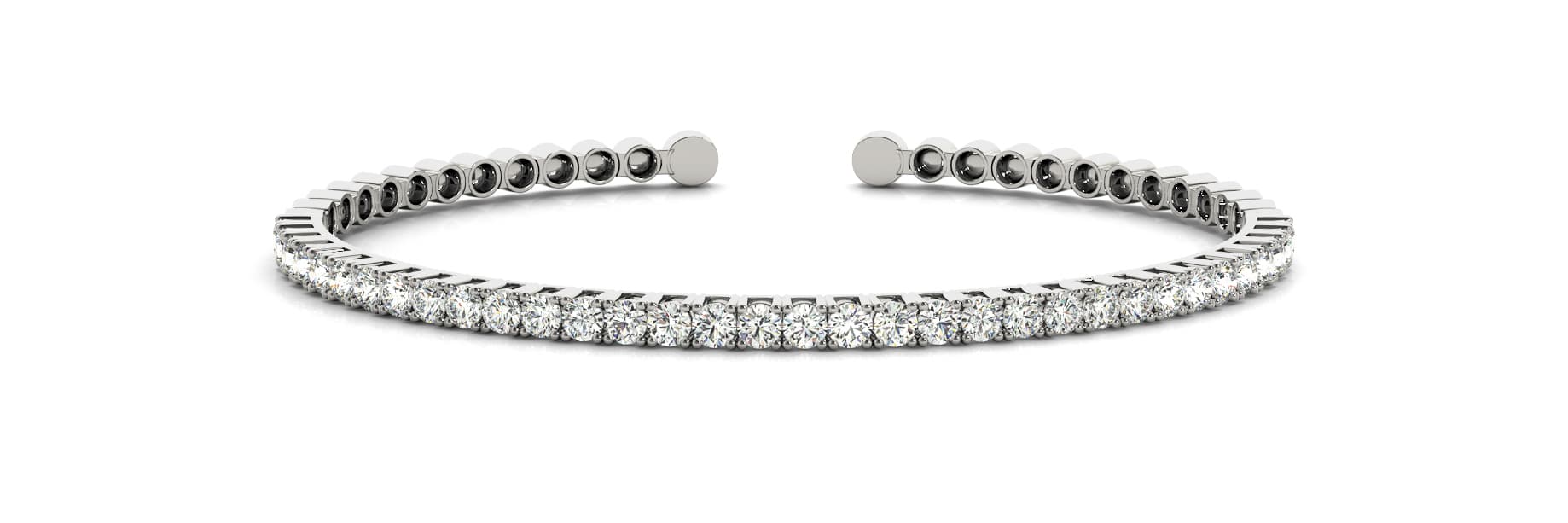
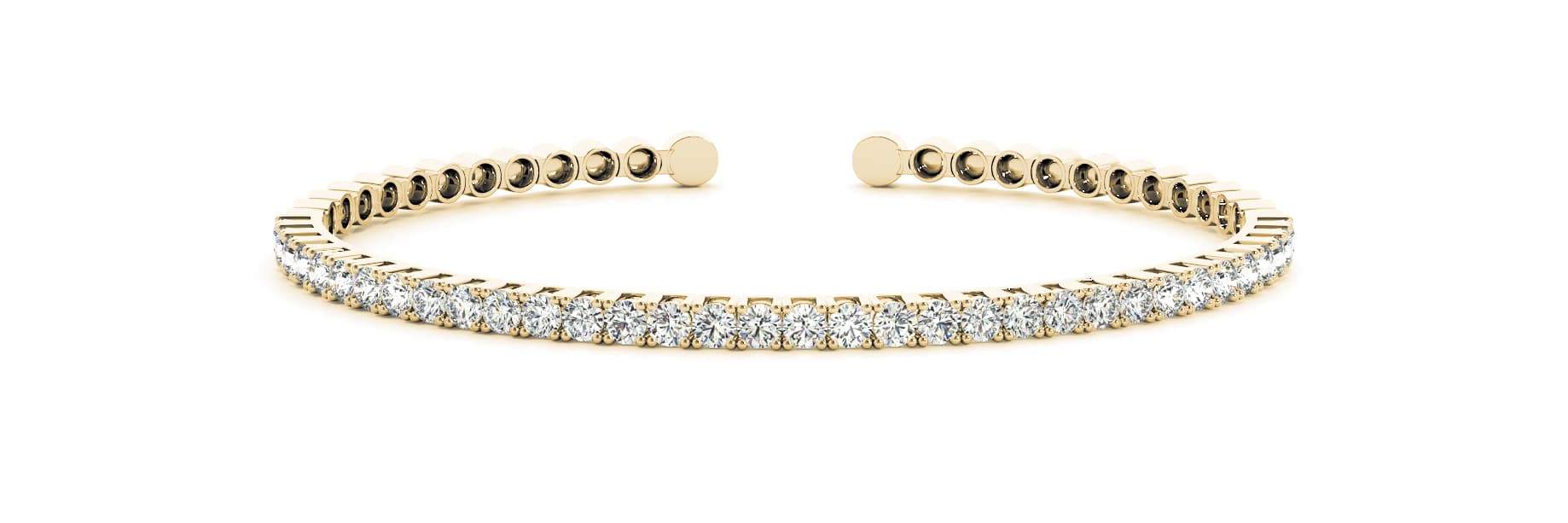
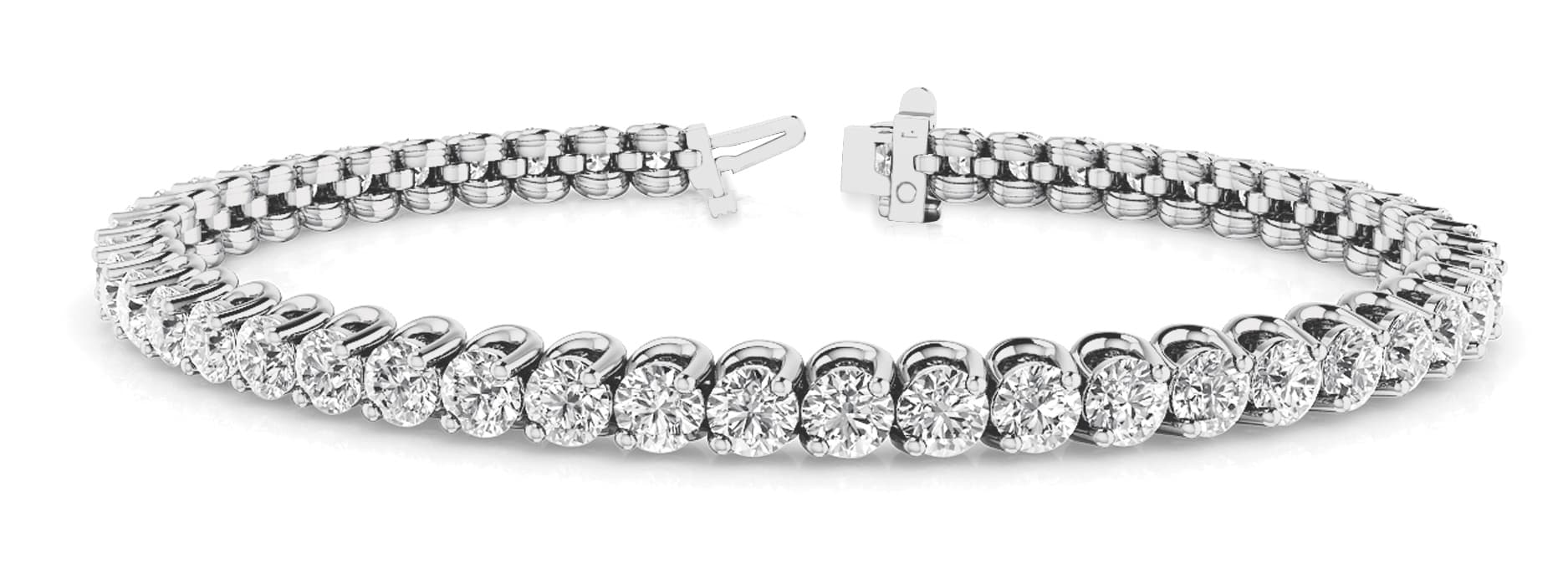
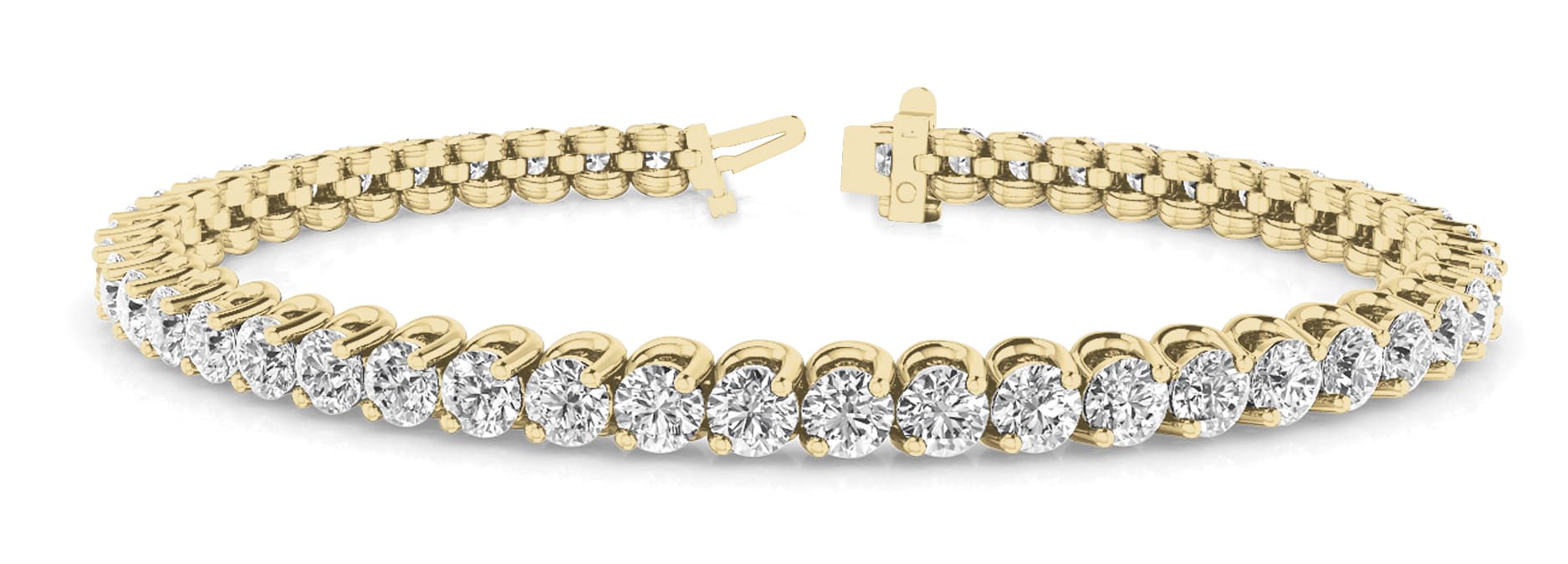
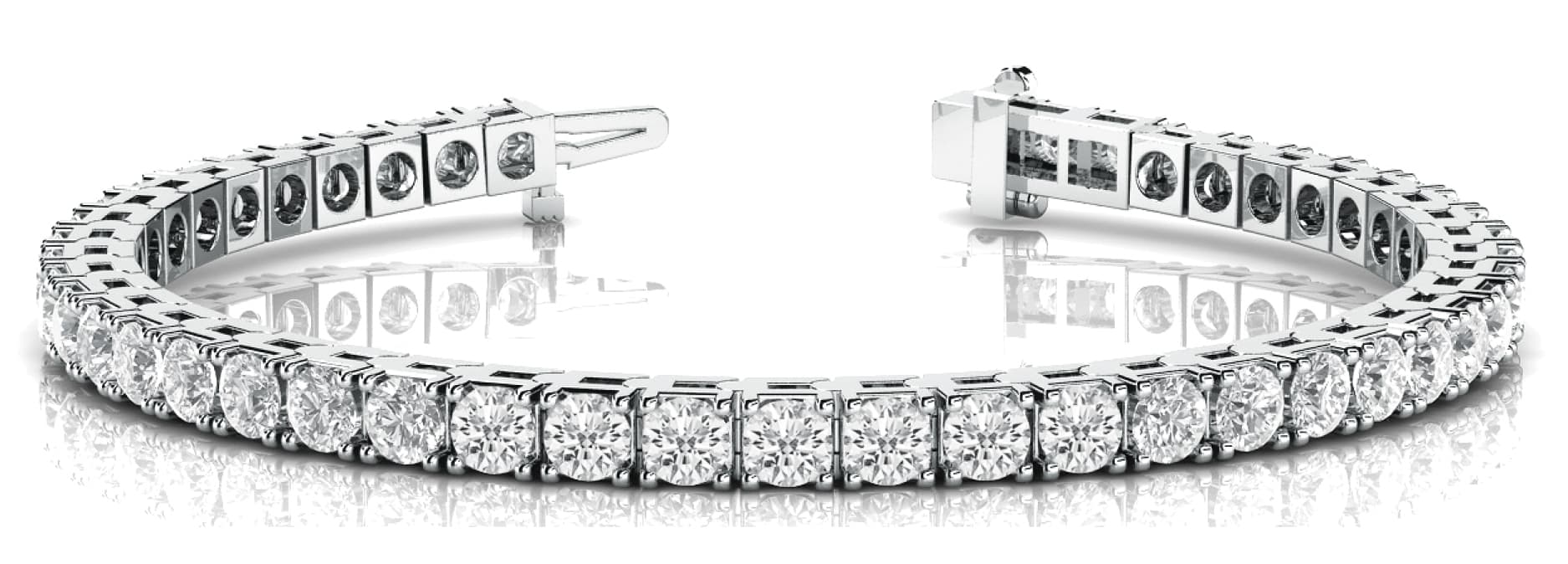
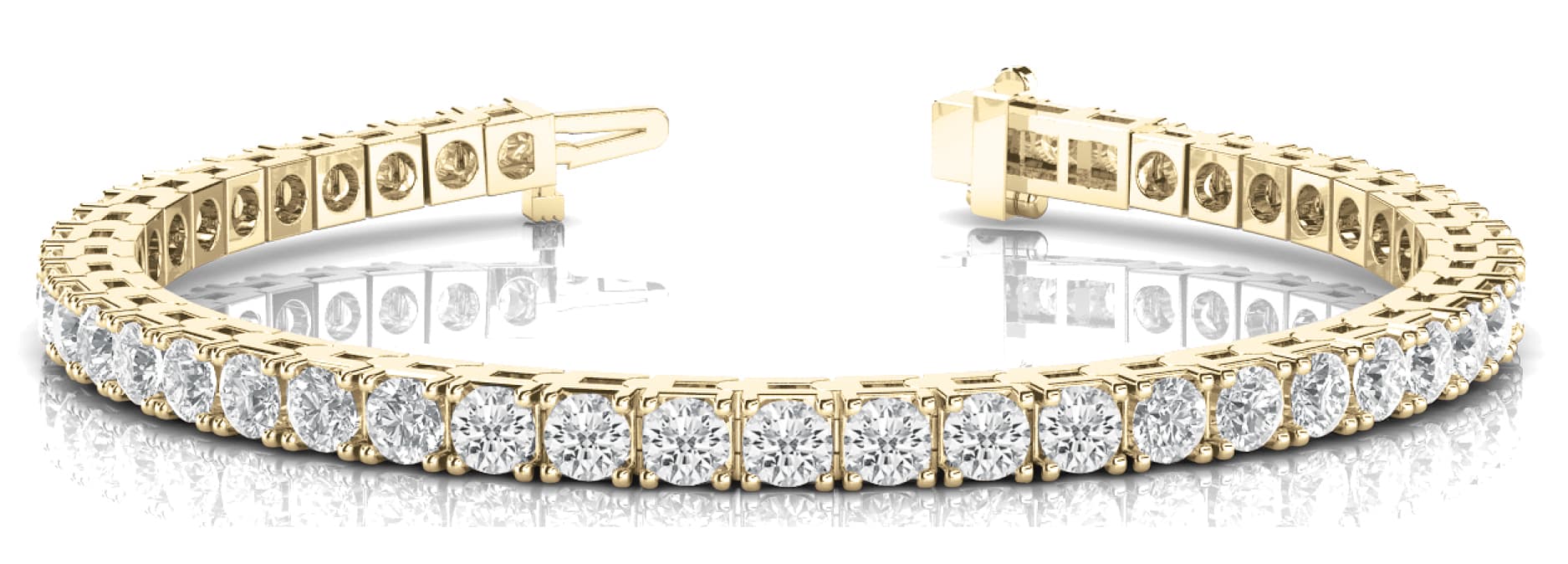
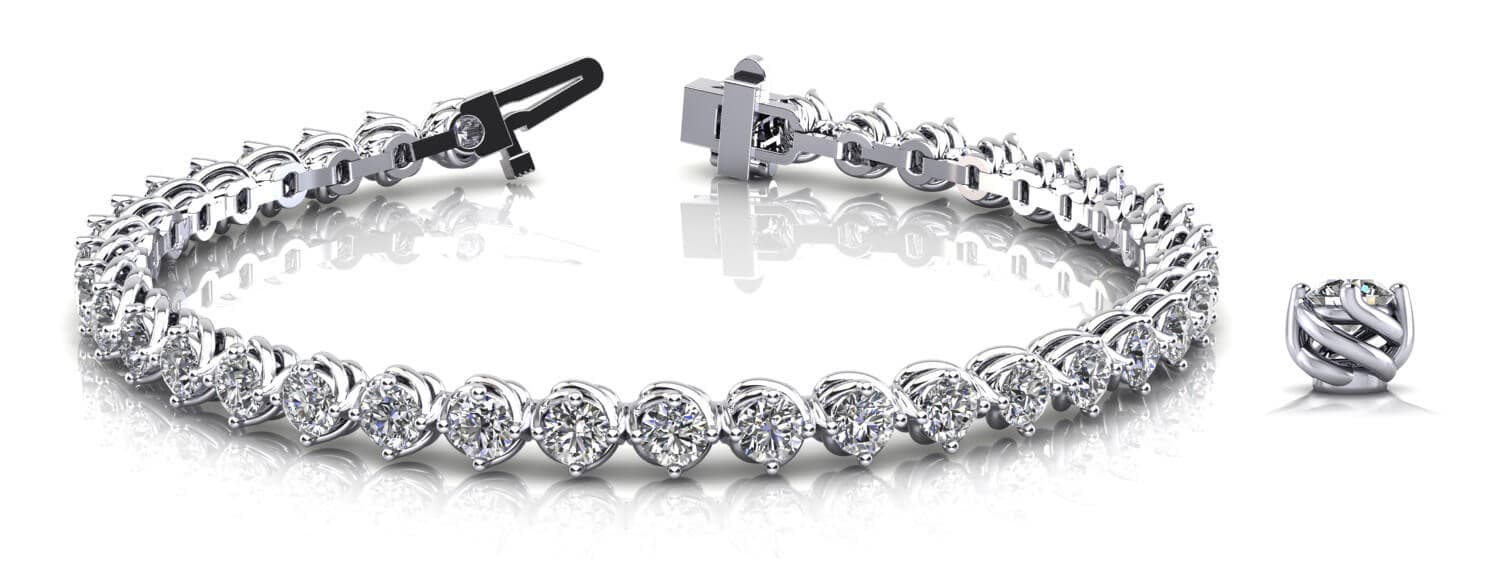
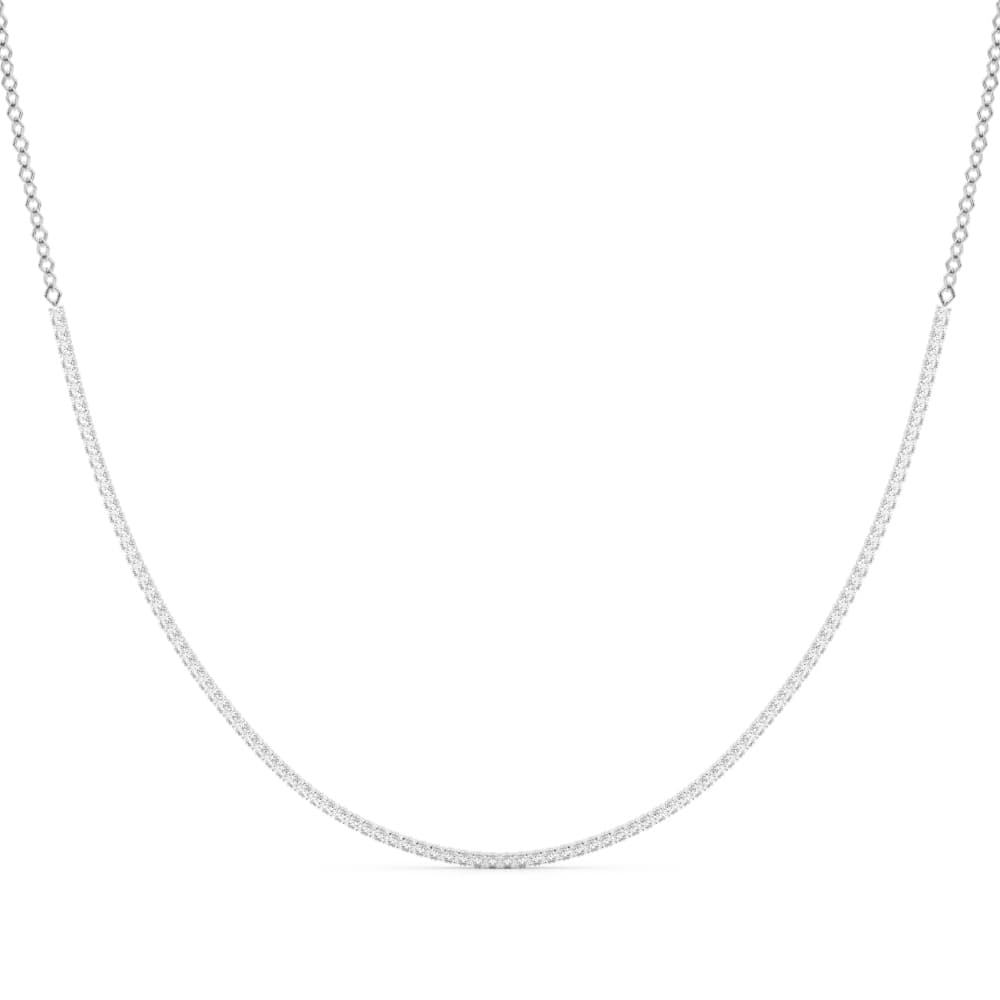
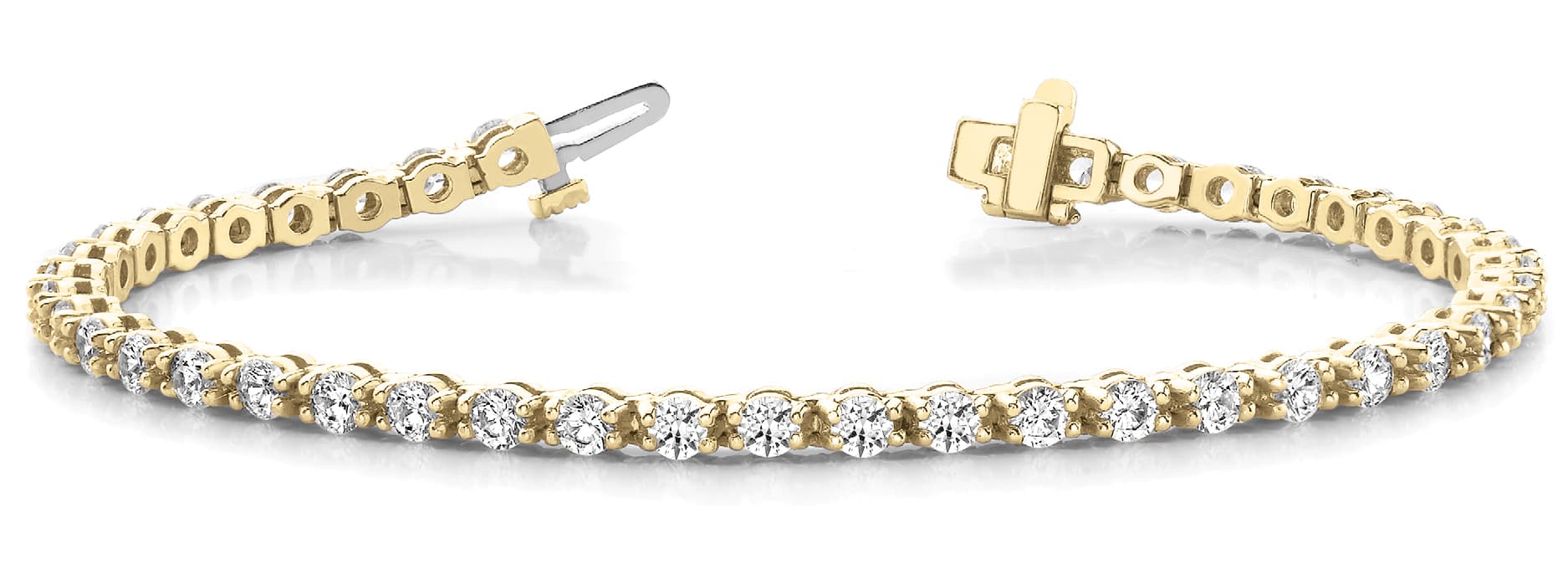
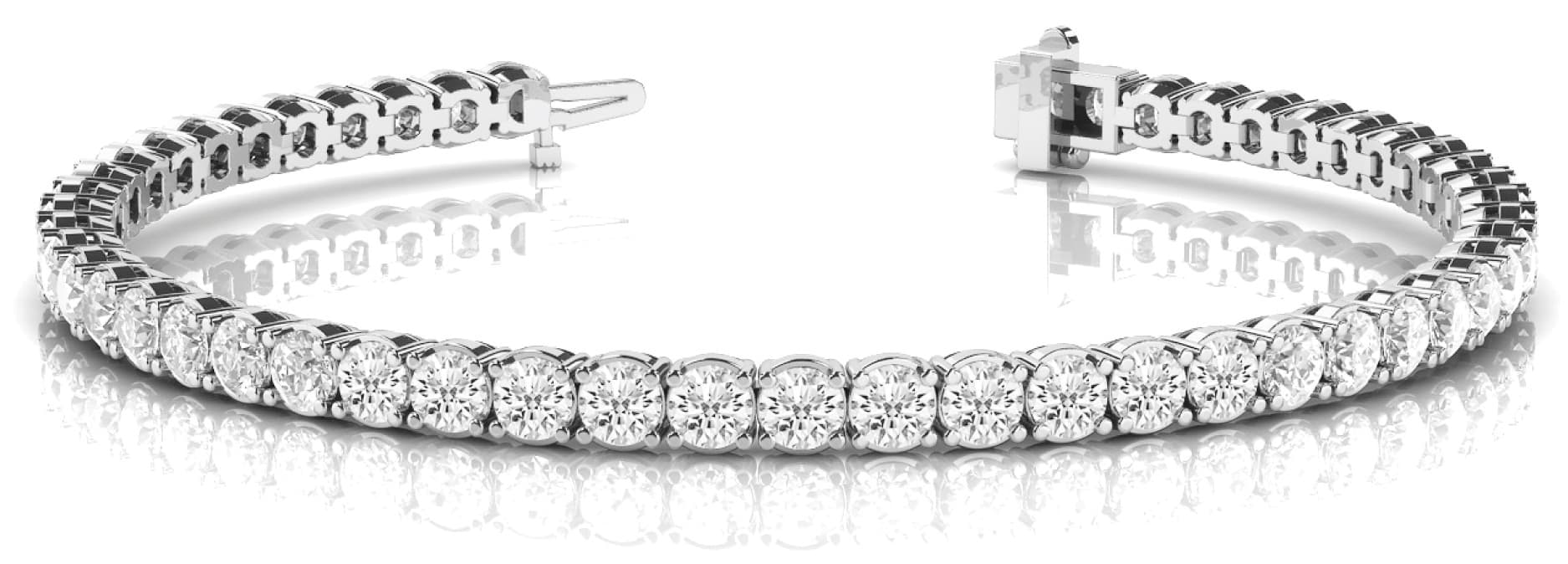
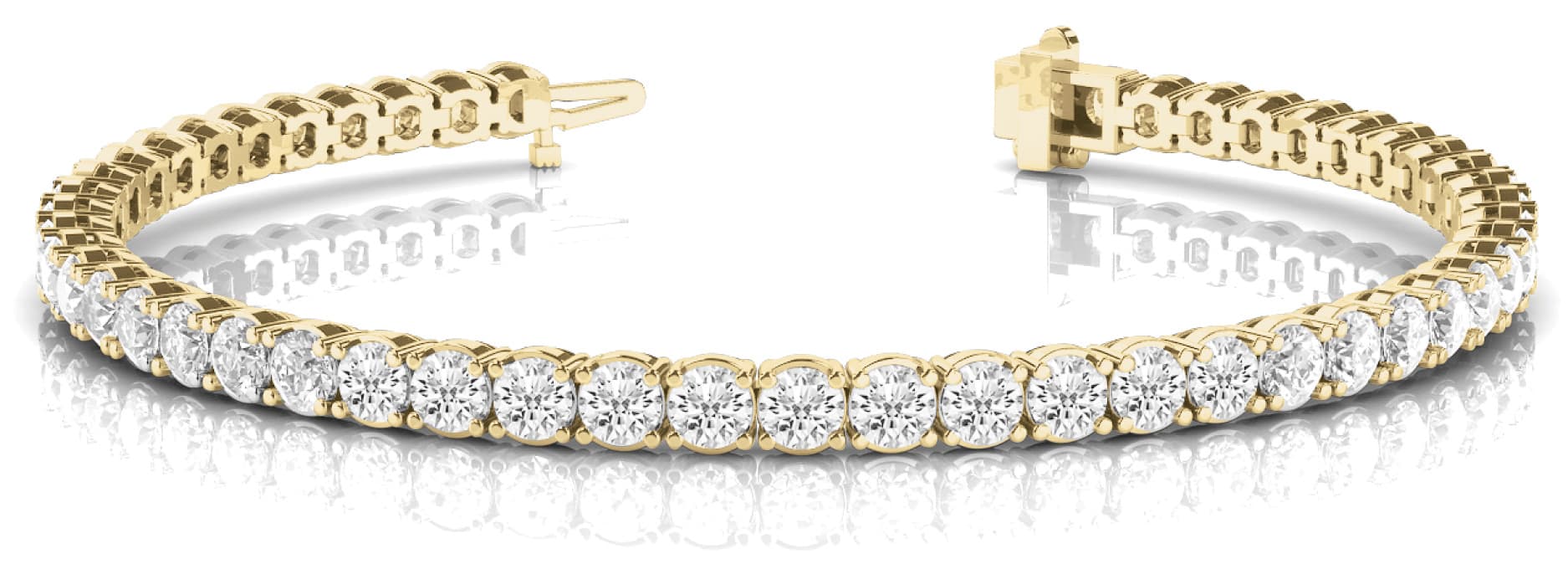
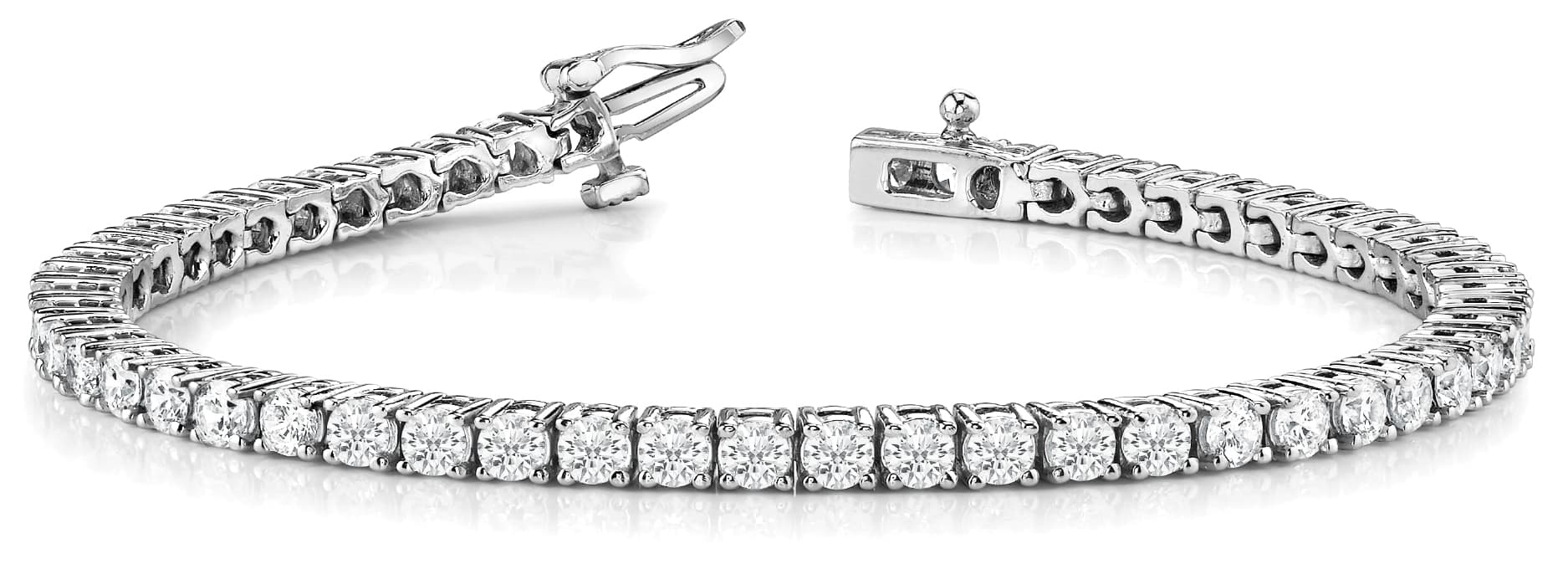
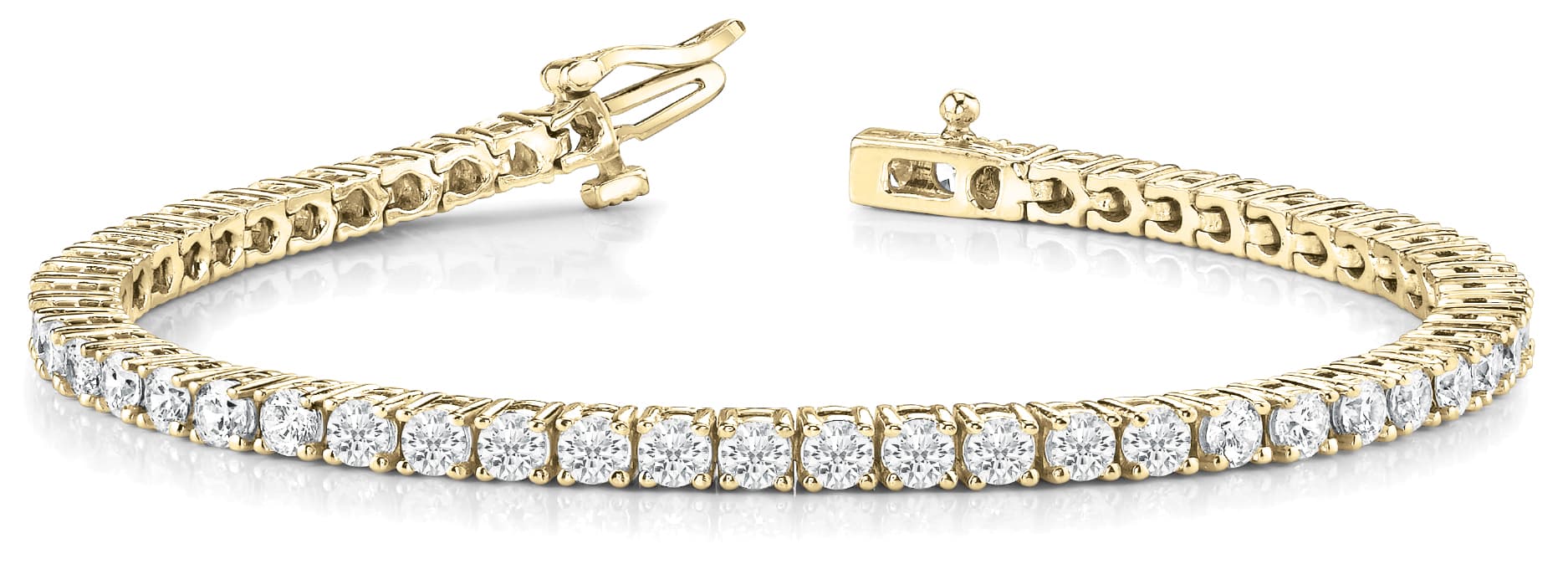
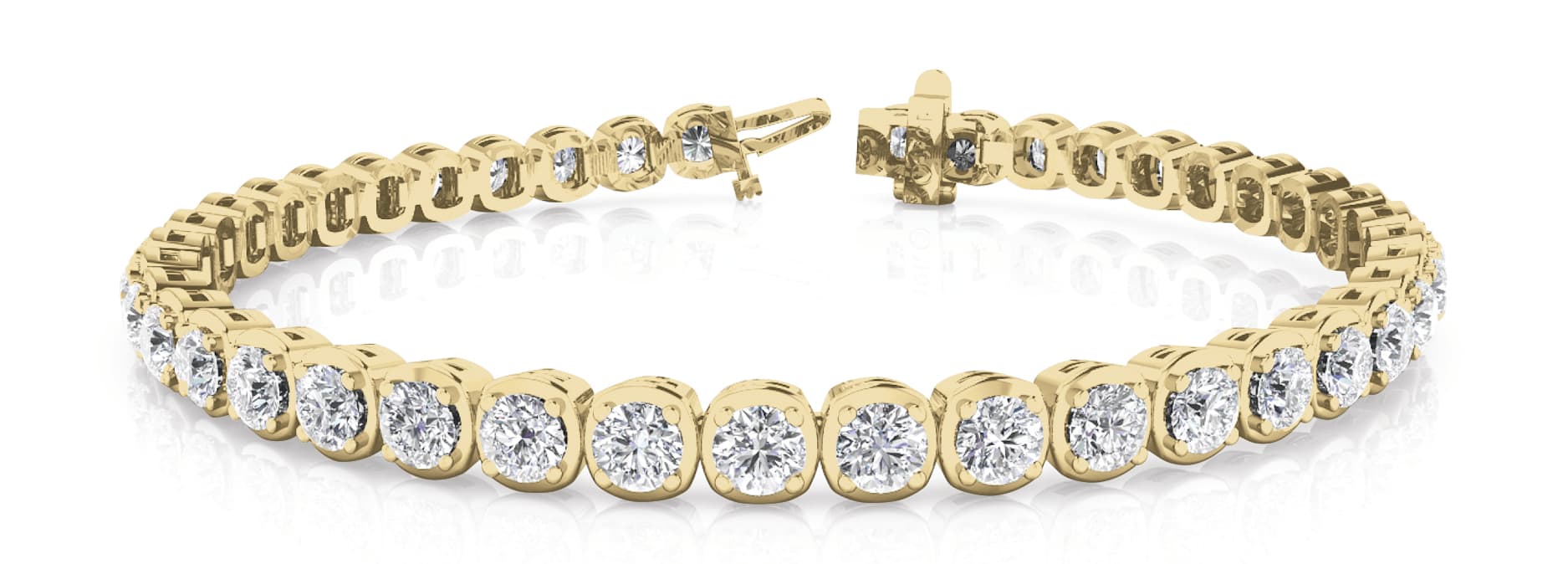
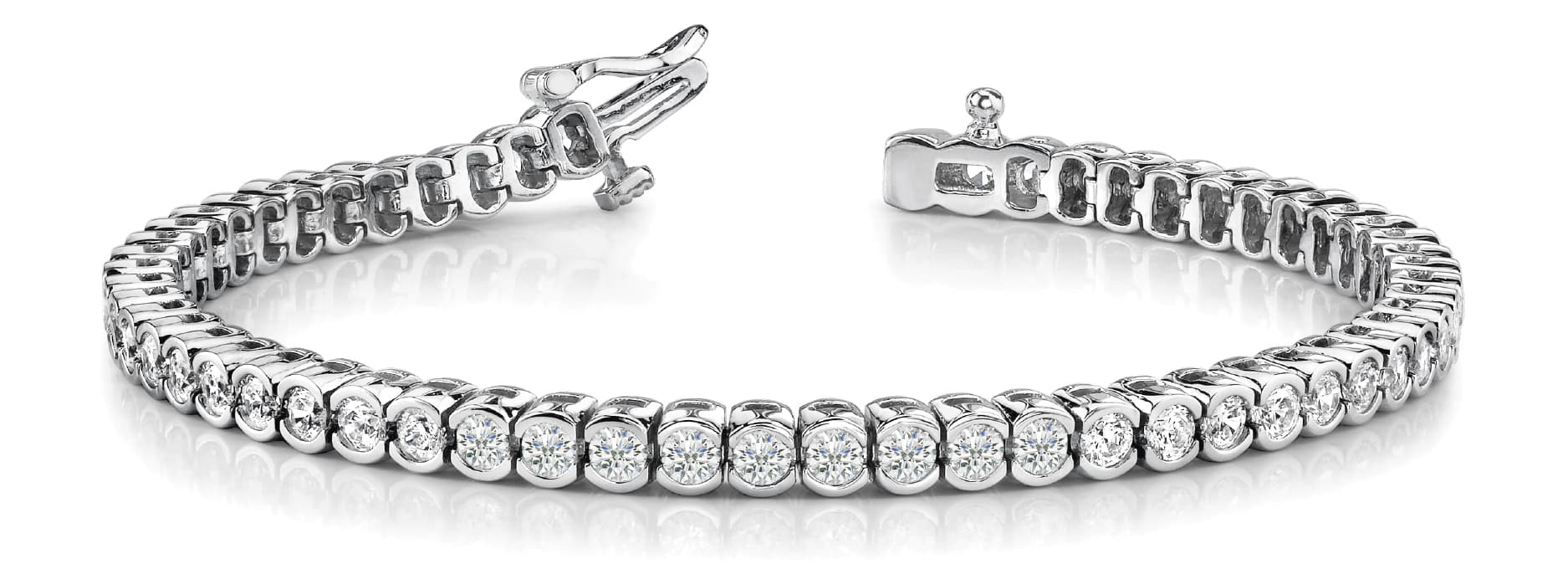
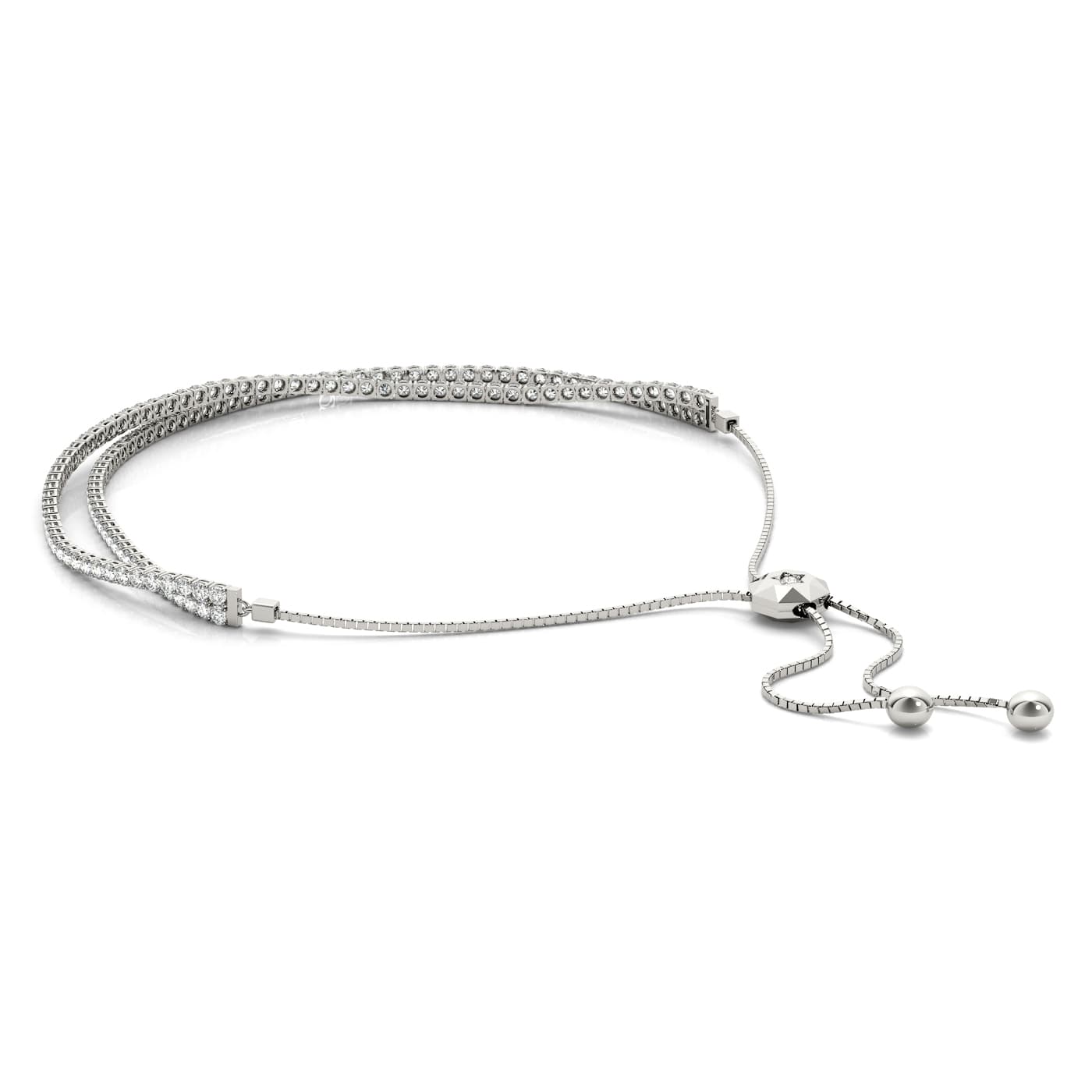
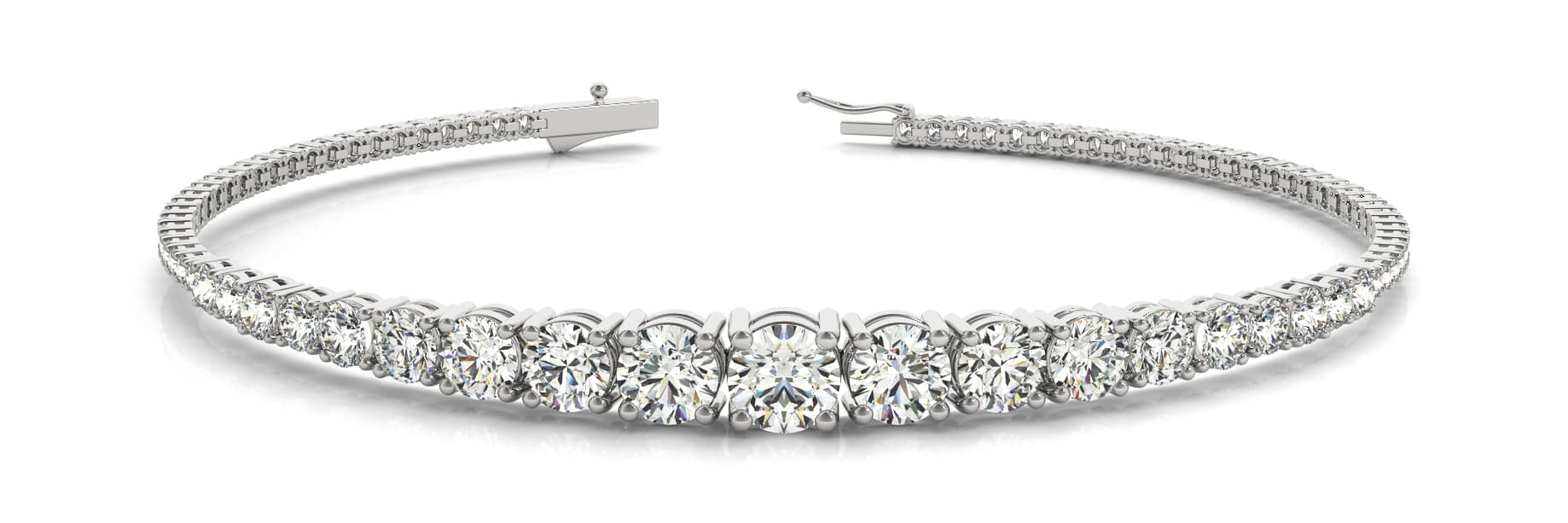
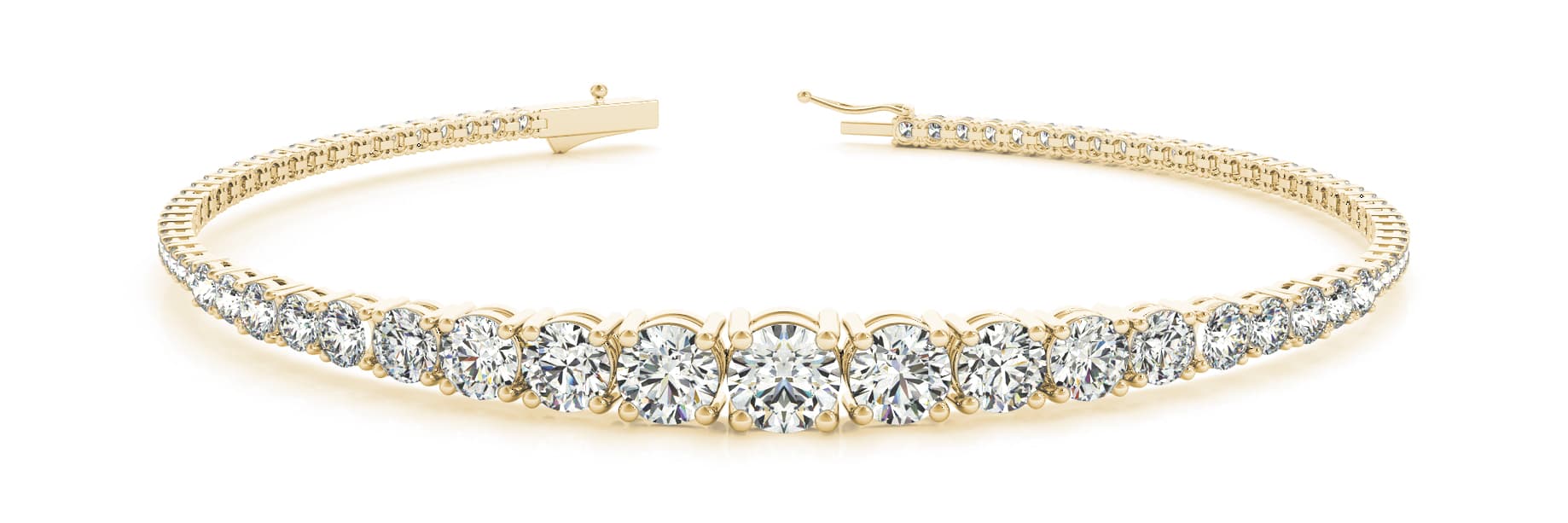
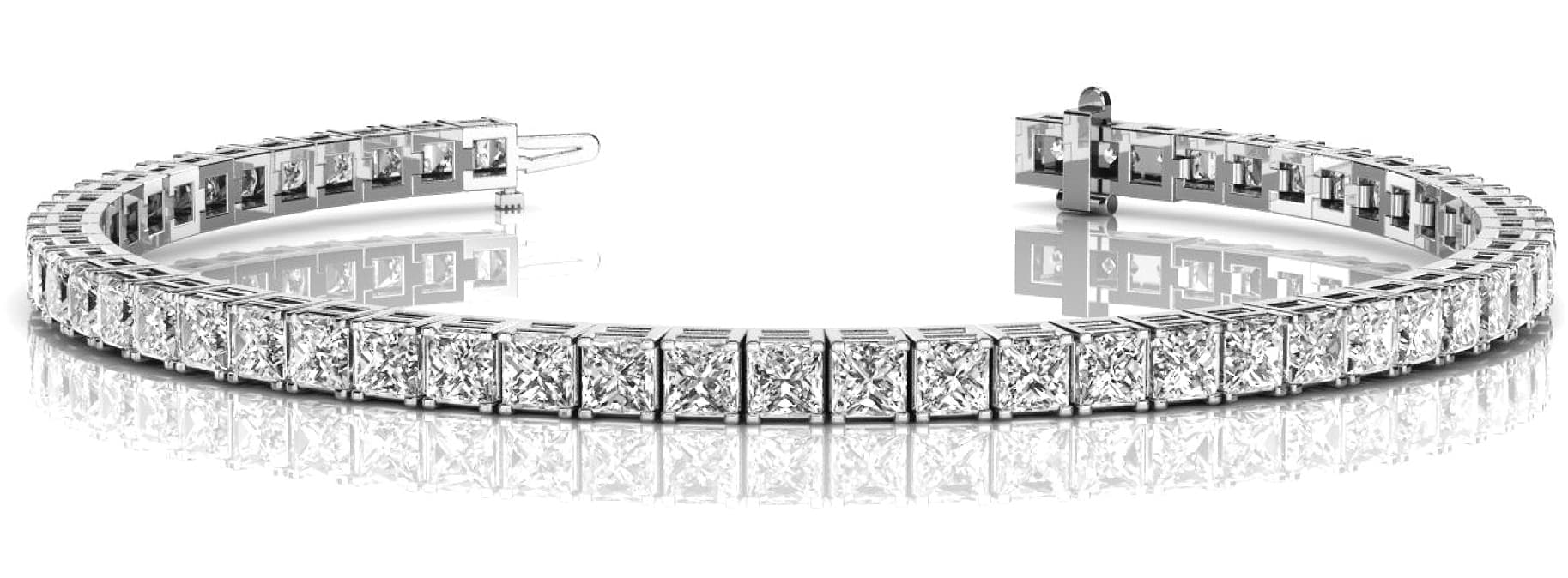
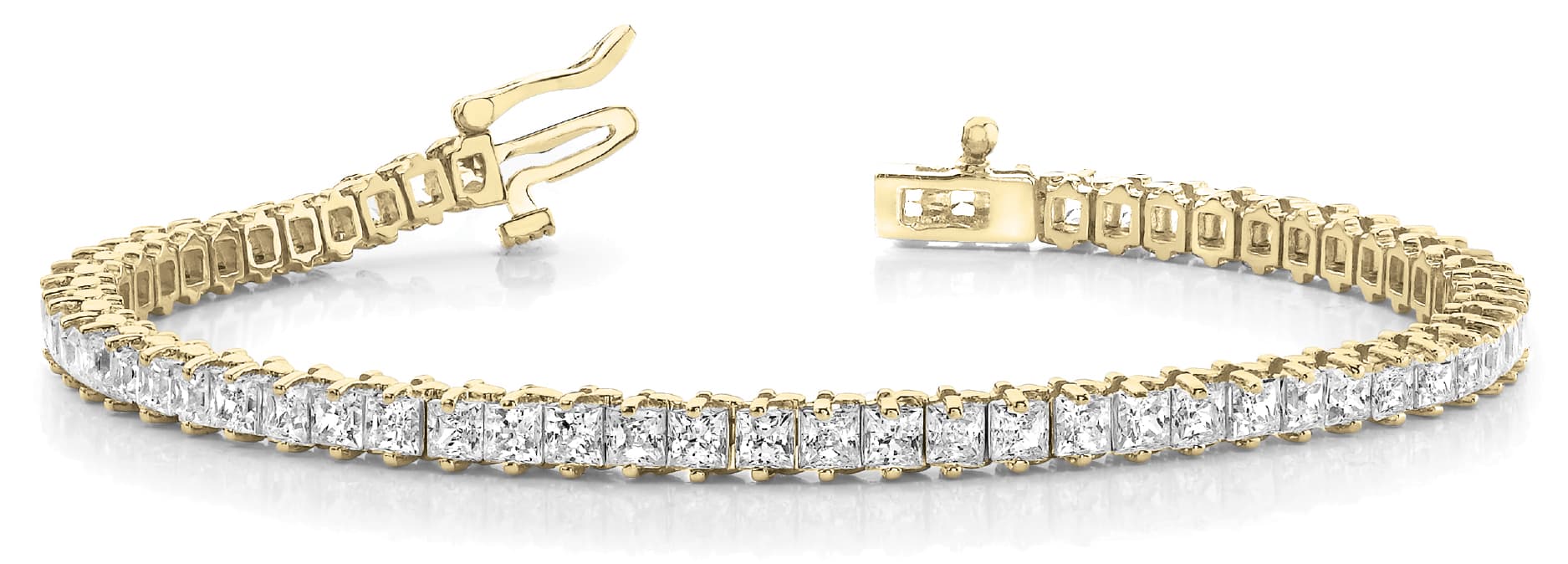
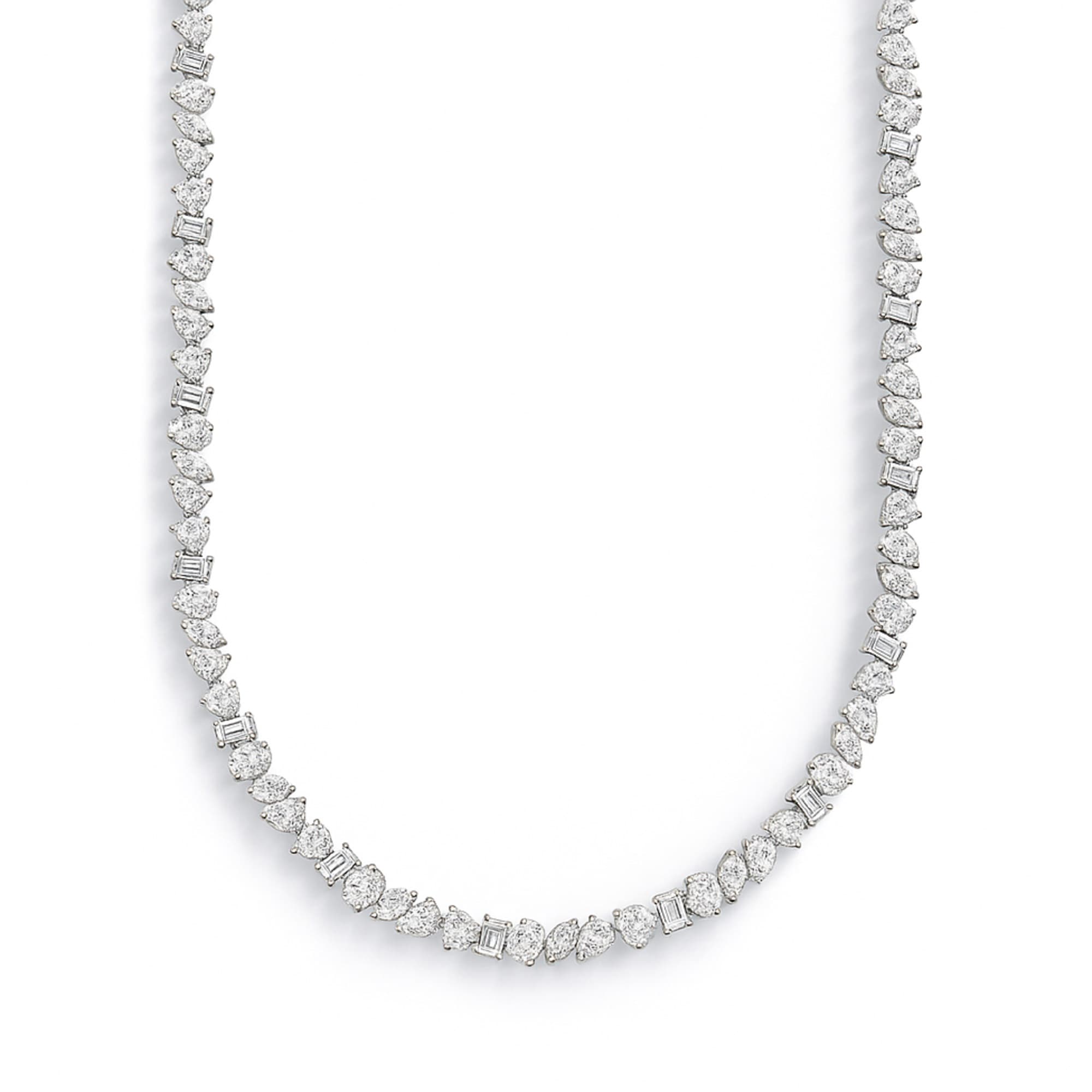
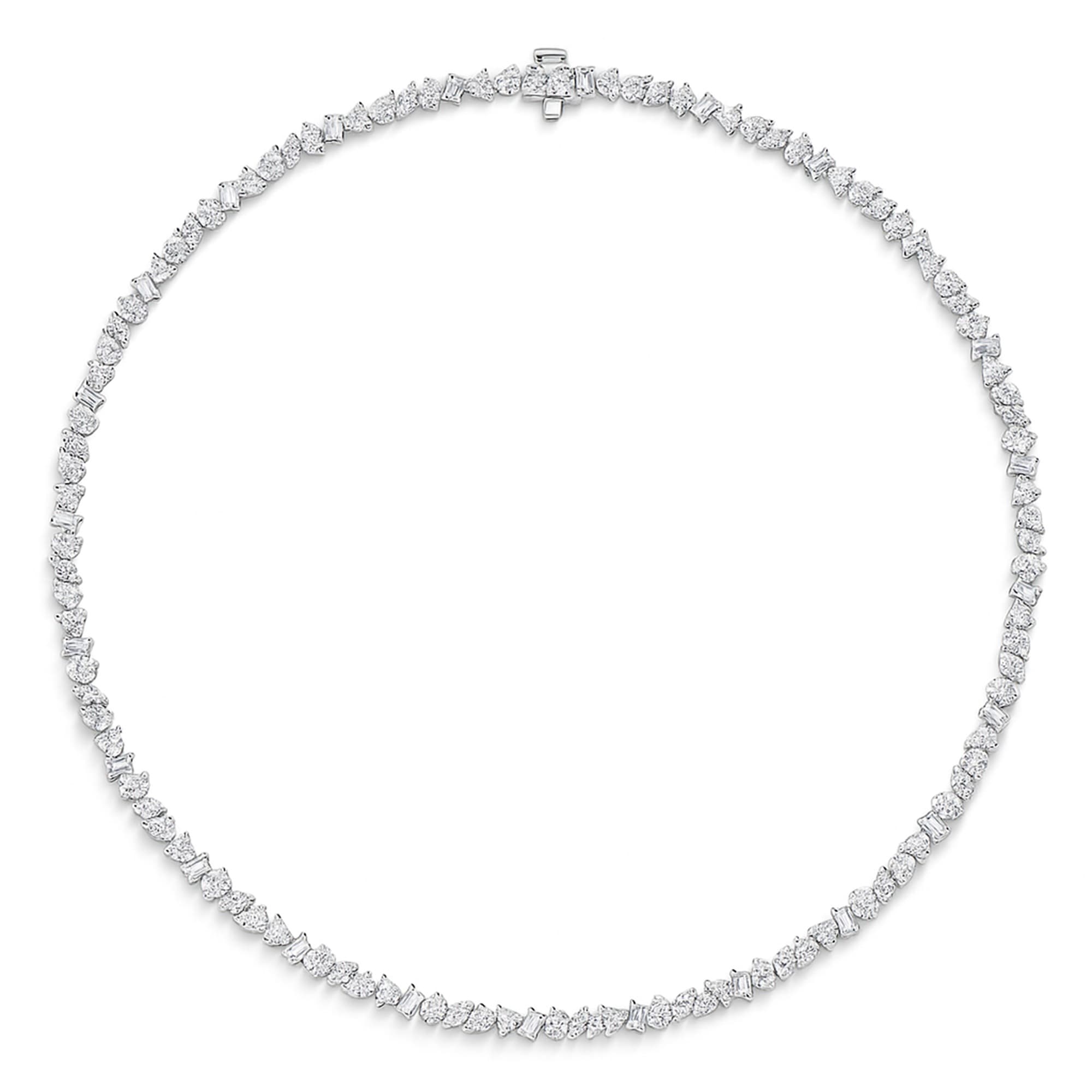
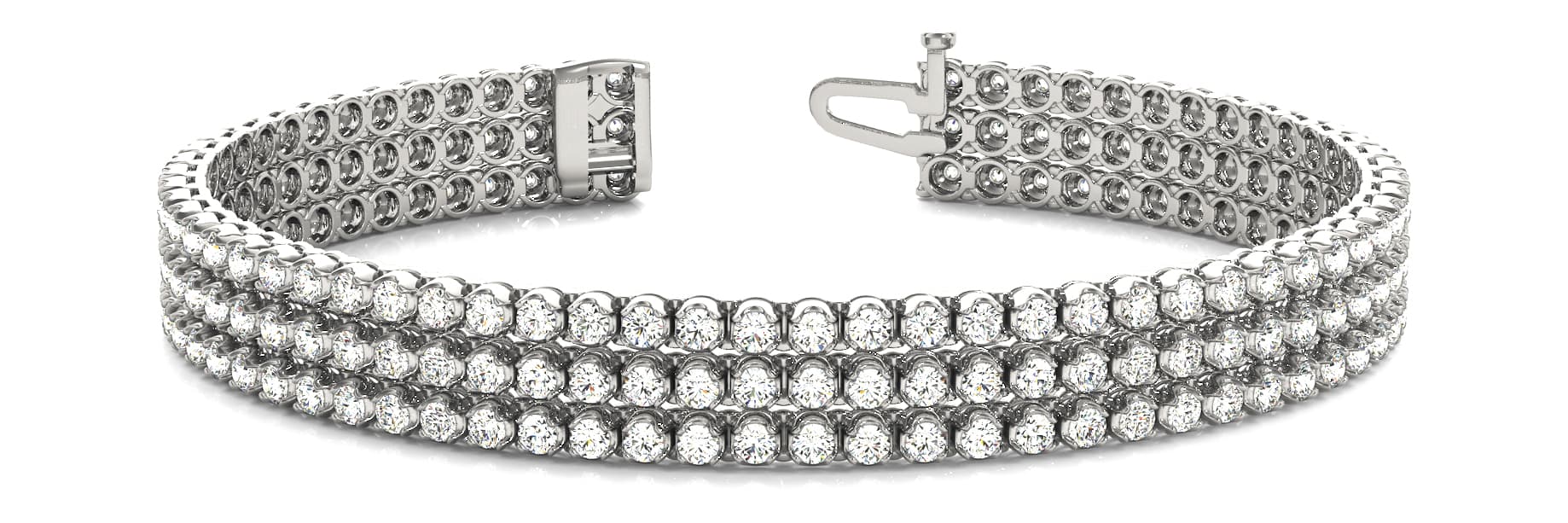
A tennis bracelet earns its permanence honestly: a flexible line of individually set diamonds that moves with the wrist, dresses up a t-shirt, and disappears politely under a cuff. Worn alone it reads refined; stacked with a watch or slim bangles it anchors the whole wrist.
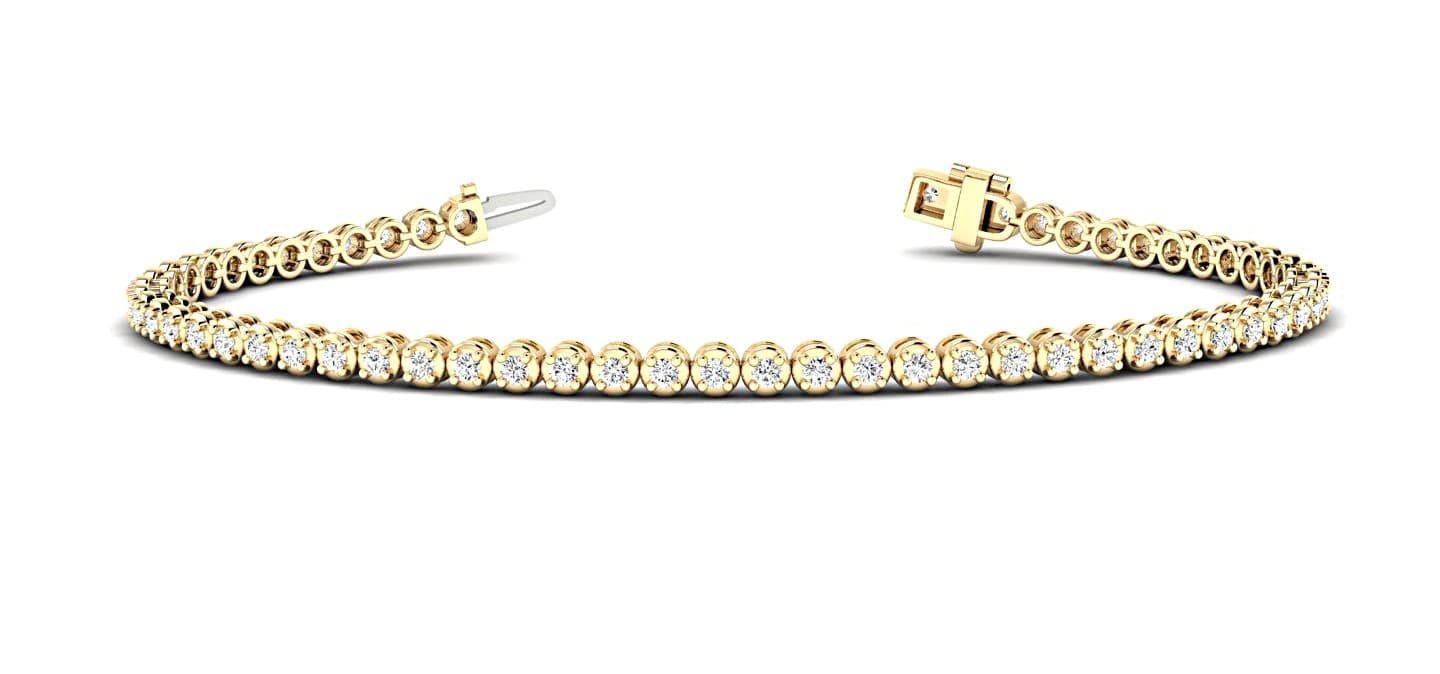
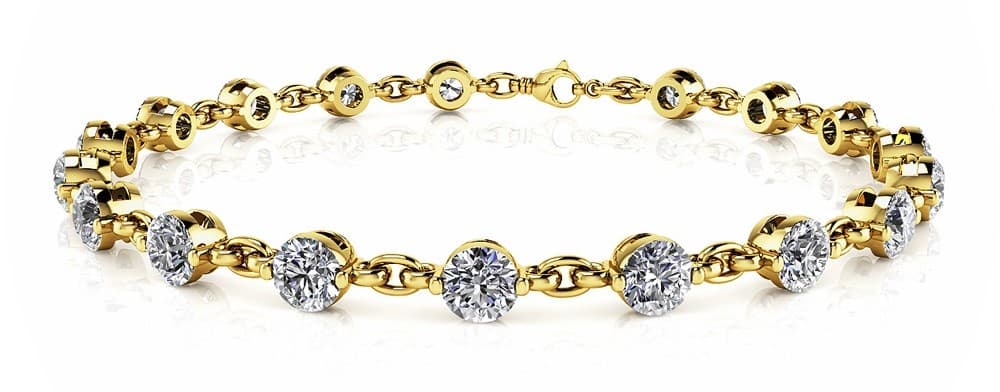
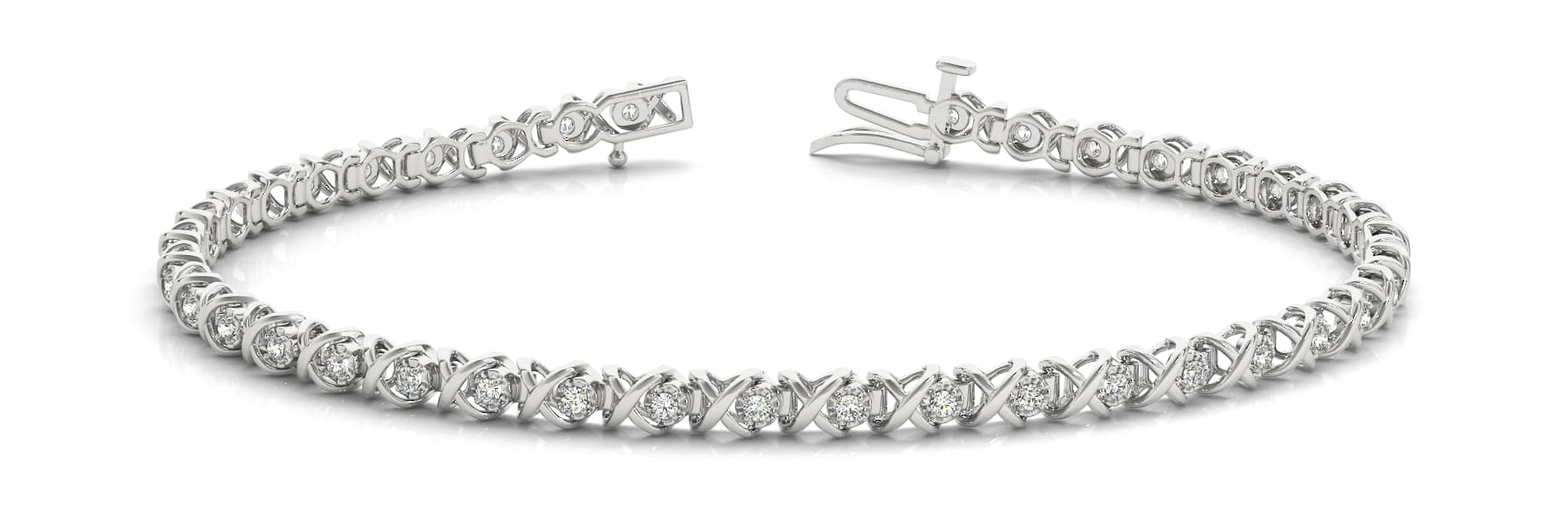
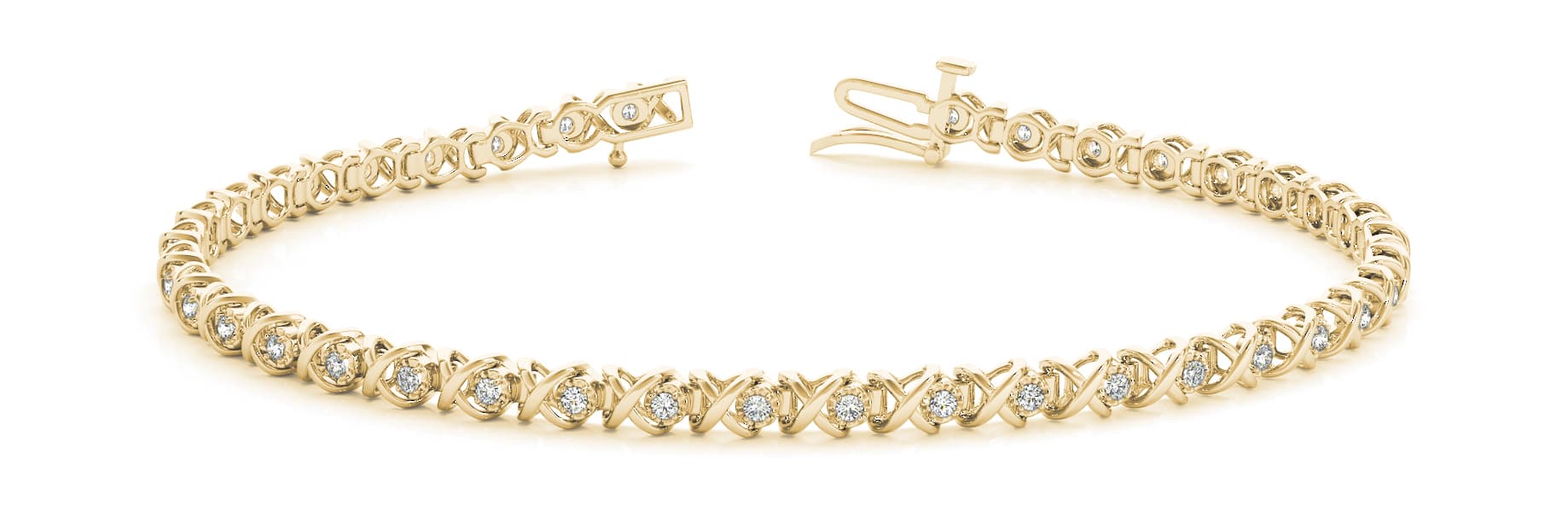
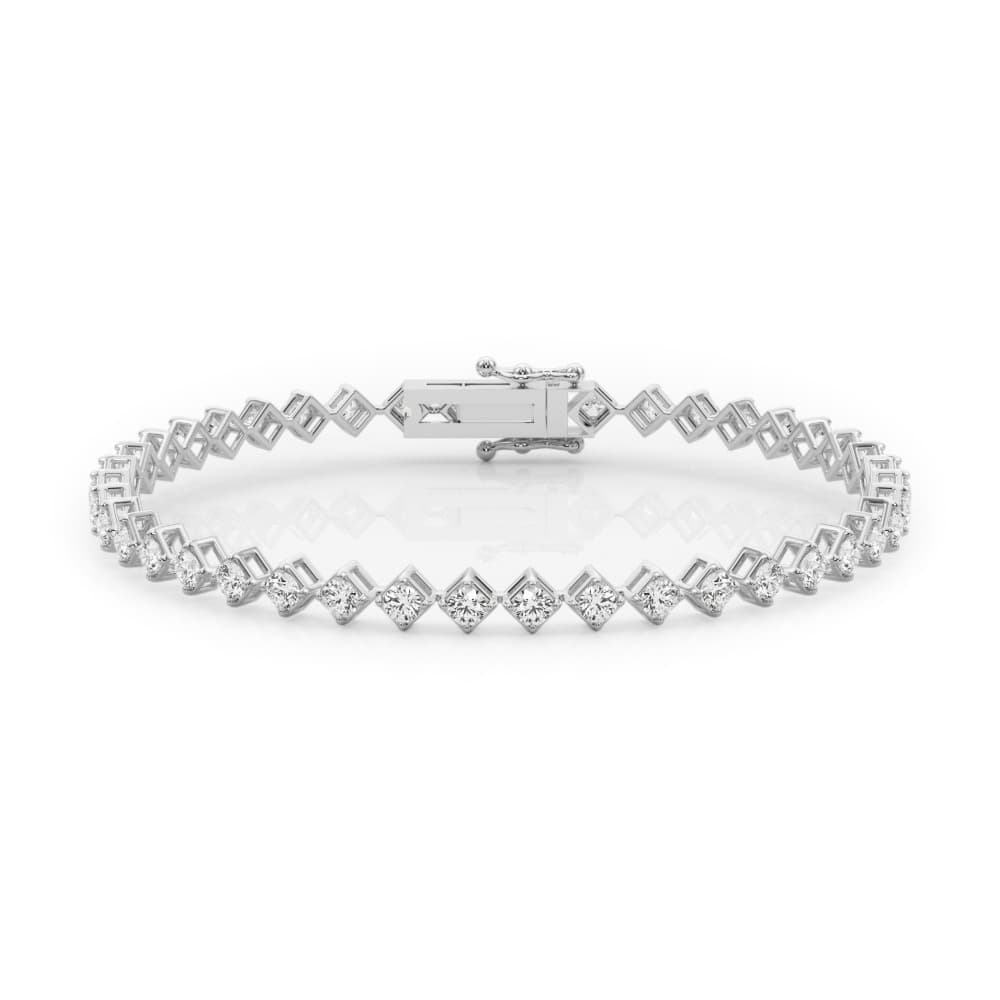
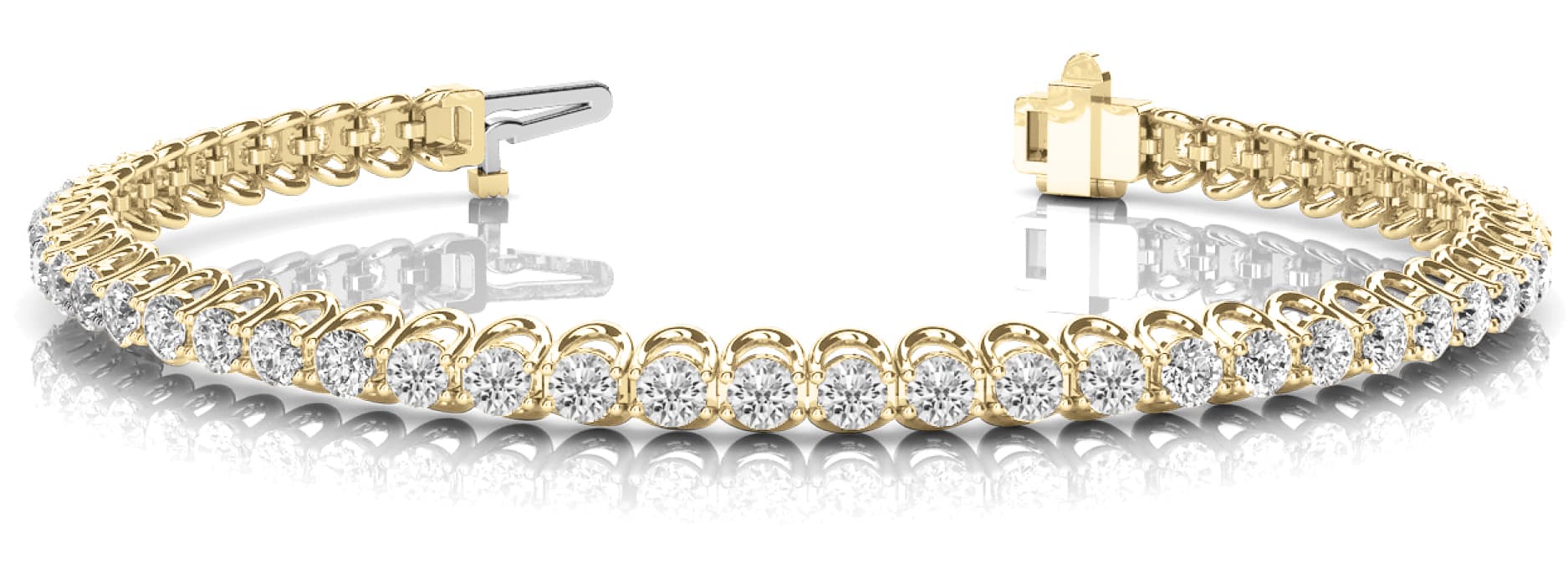
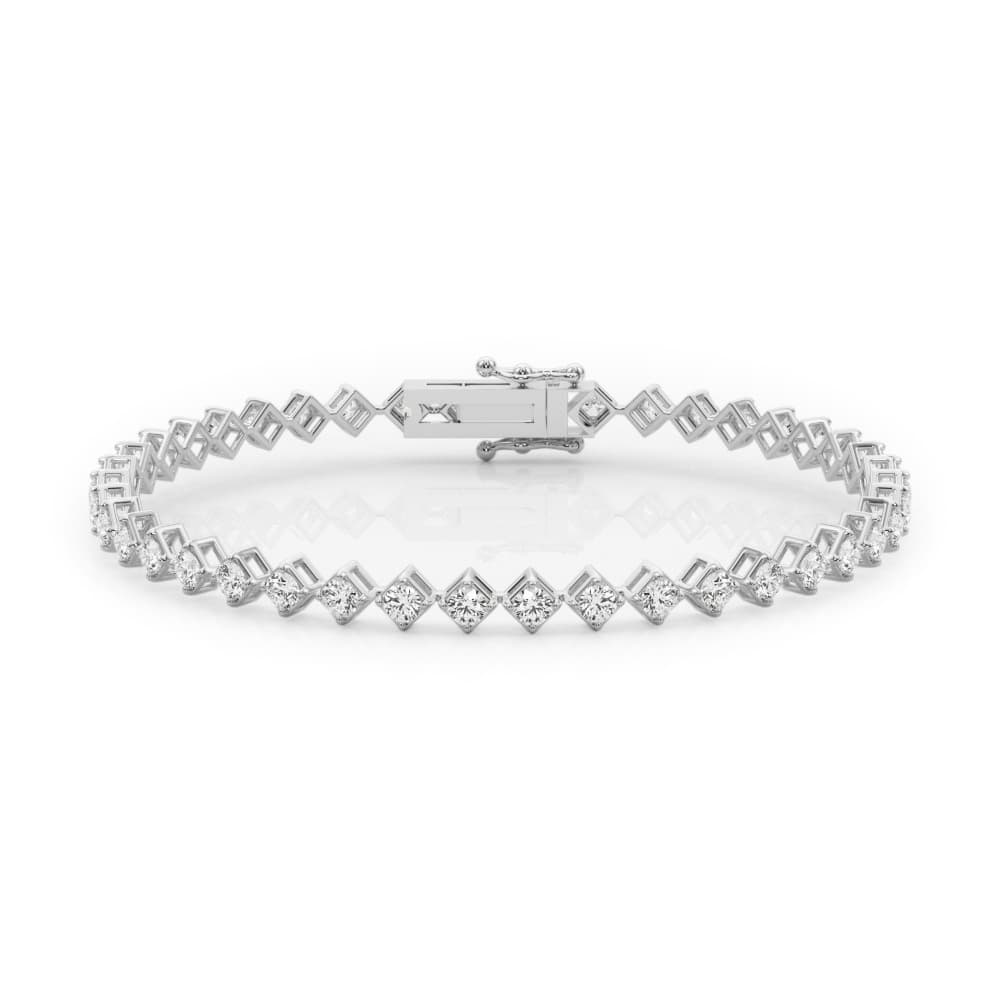
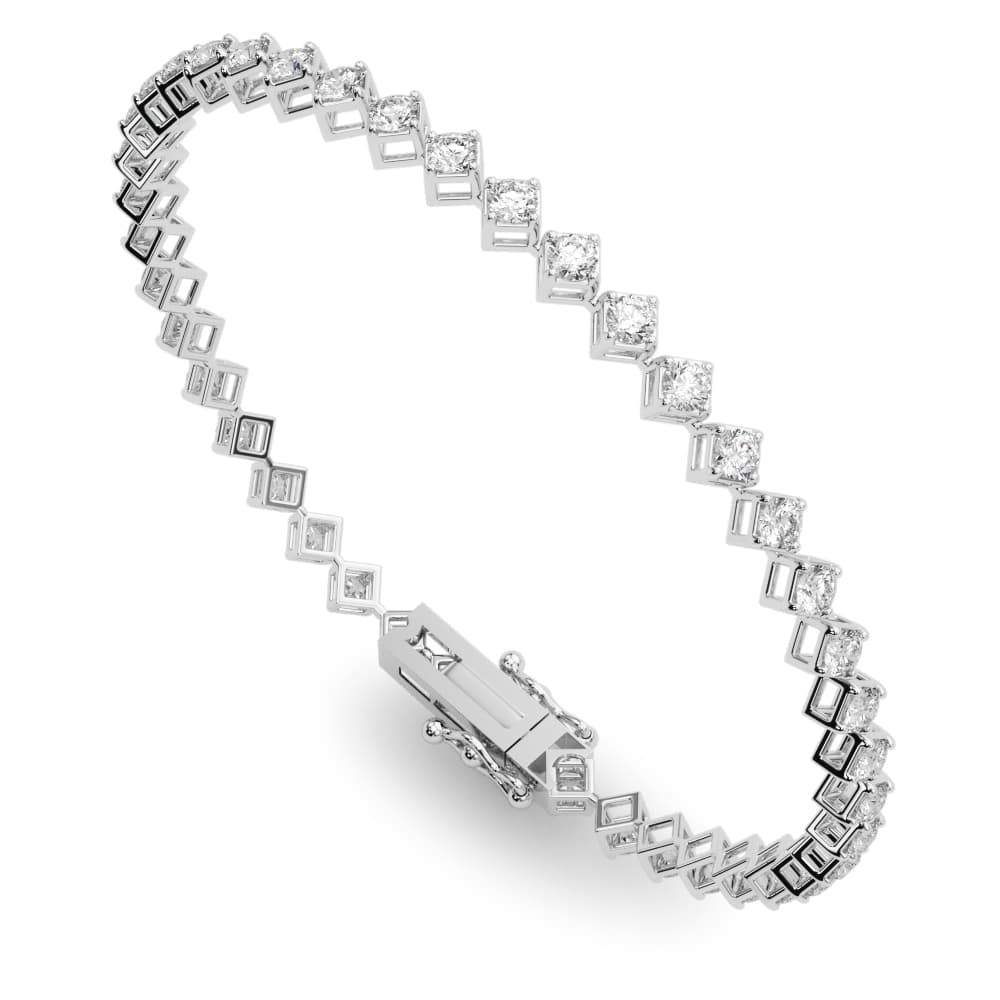
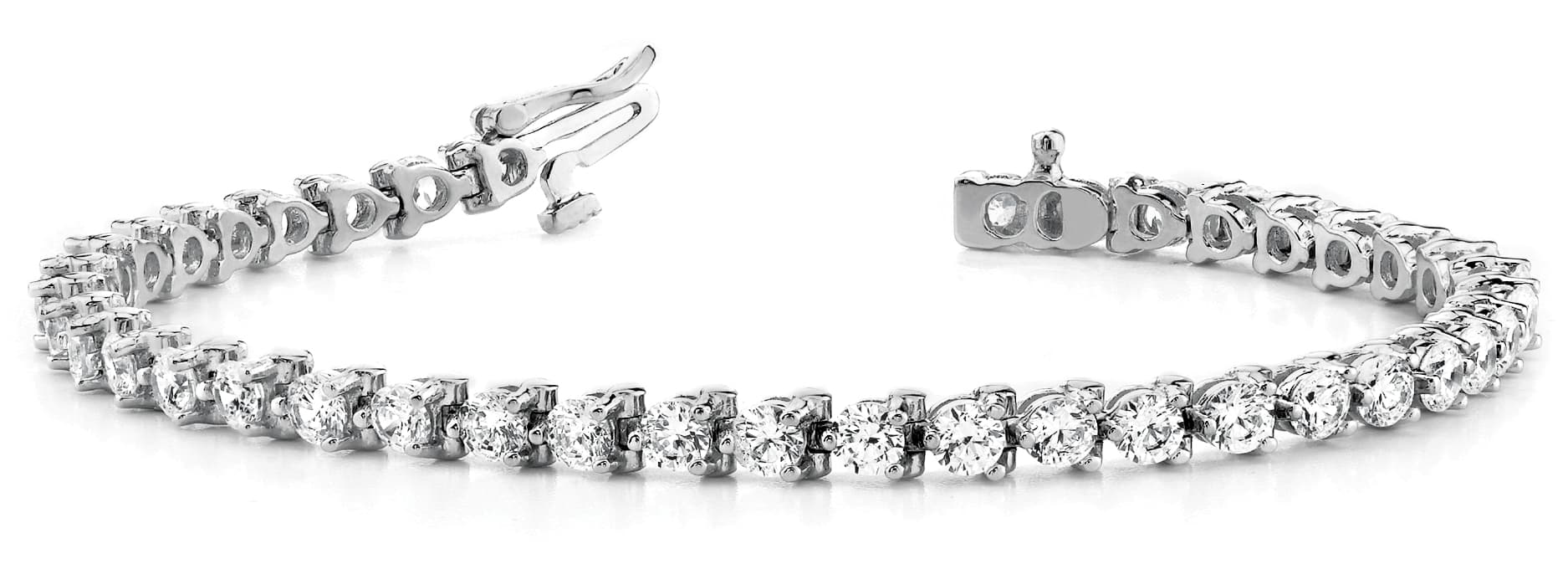
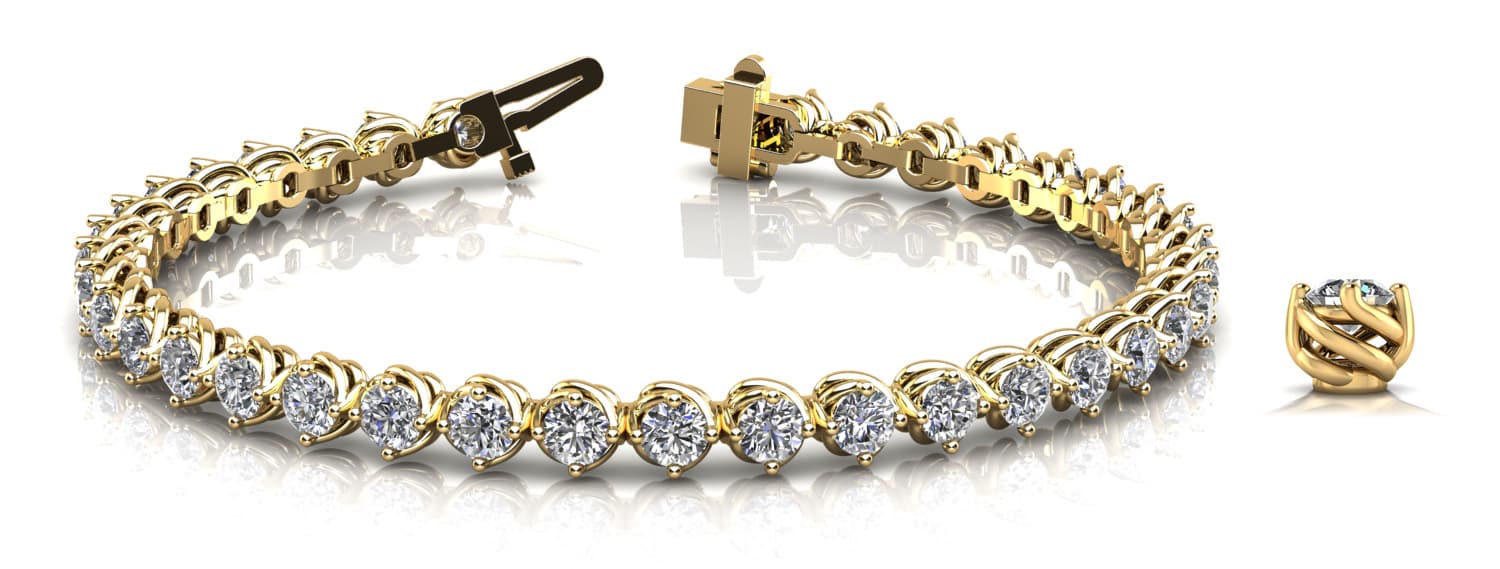
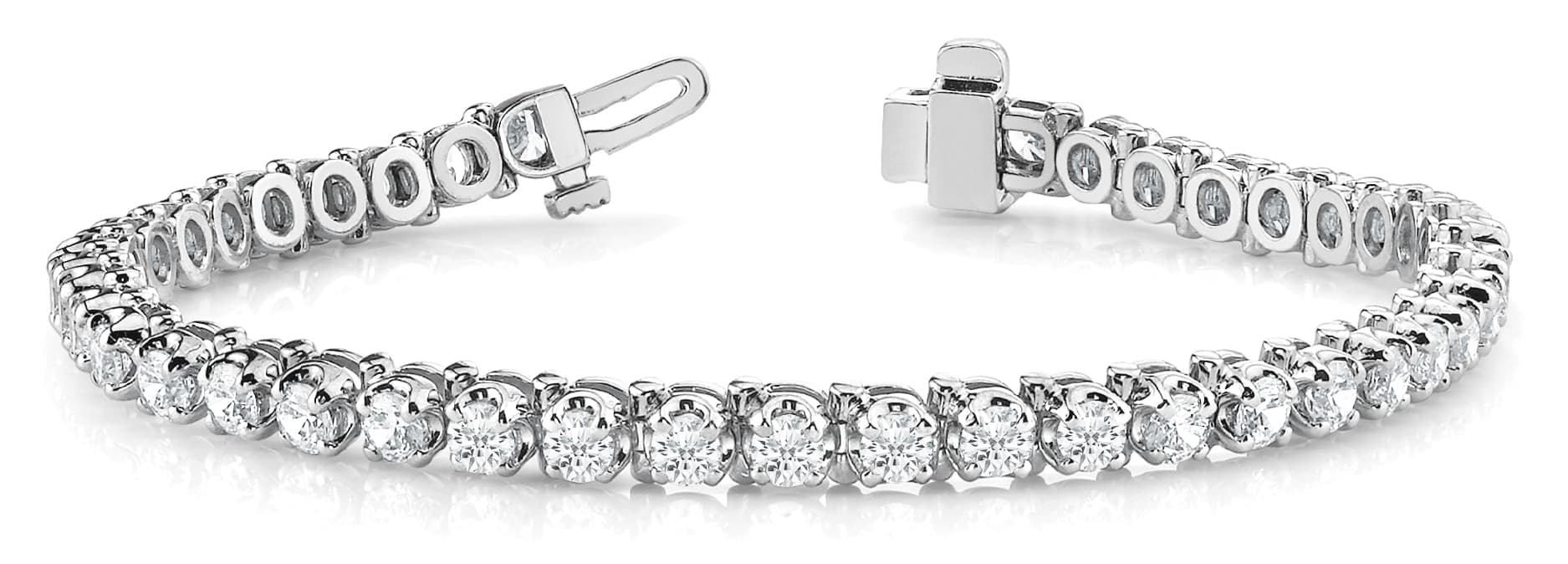
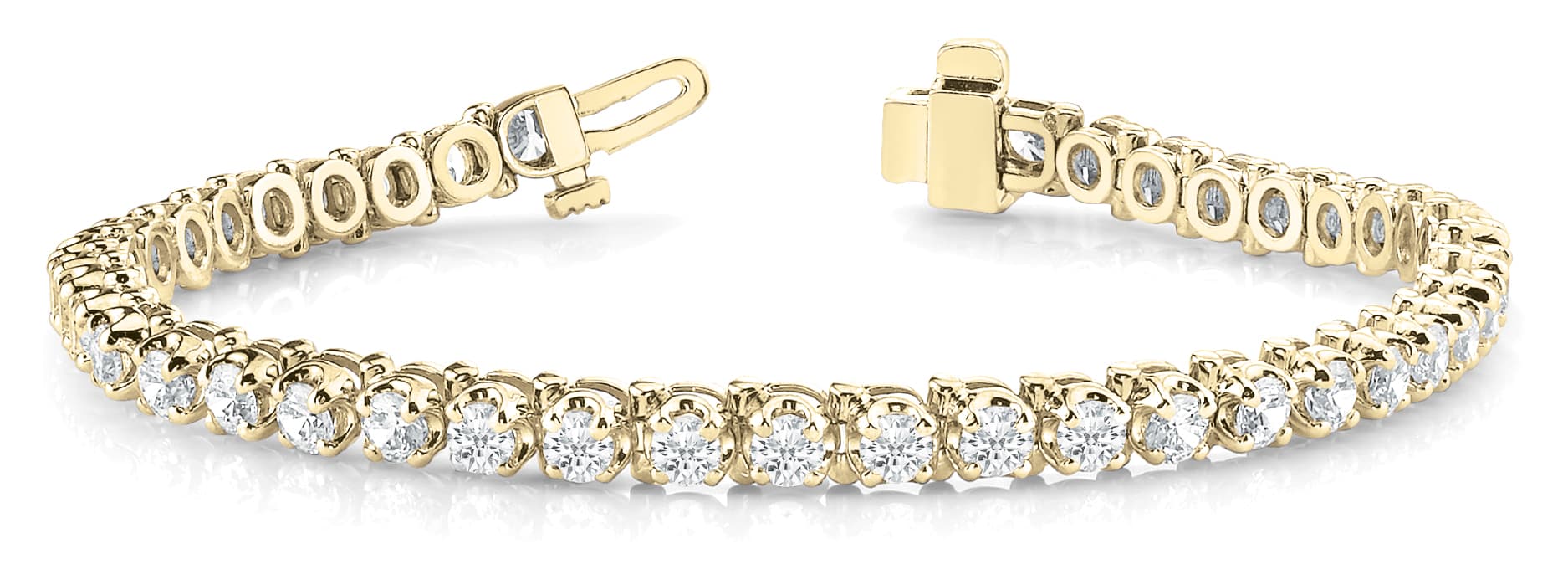
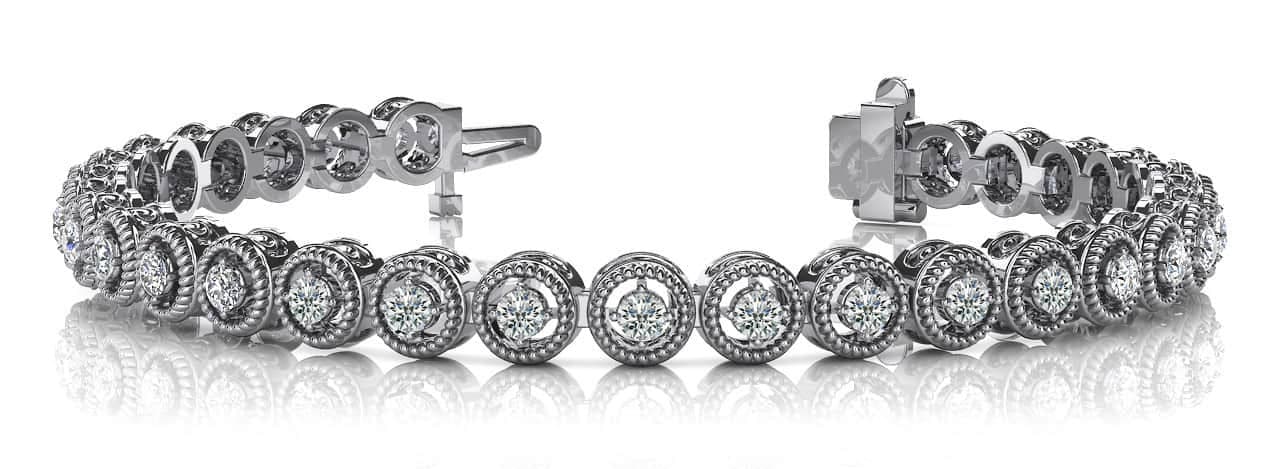
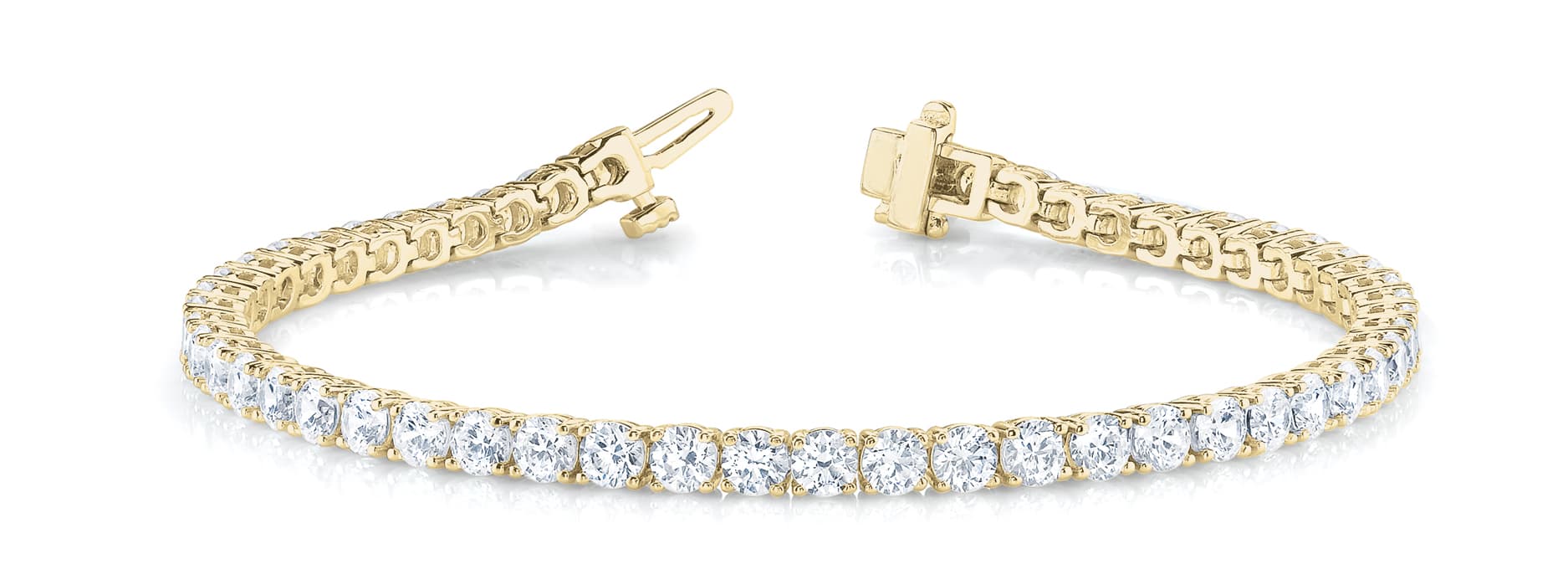
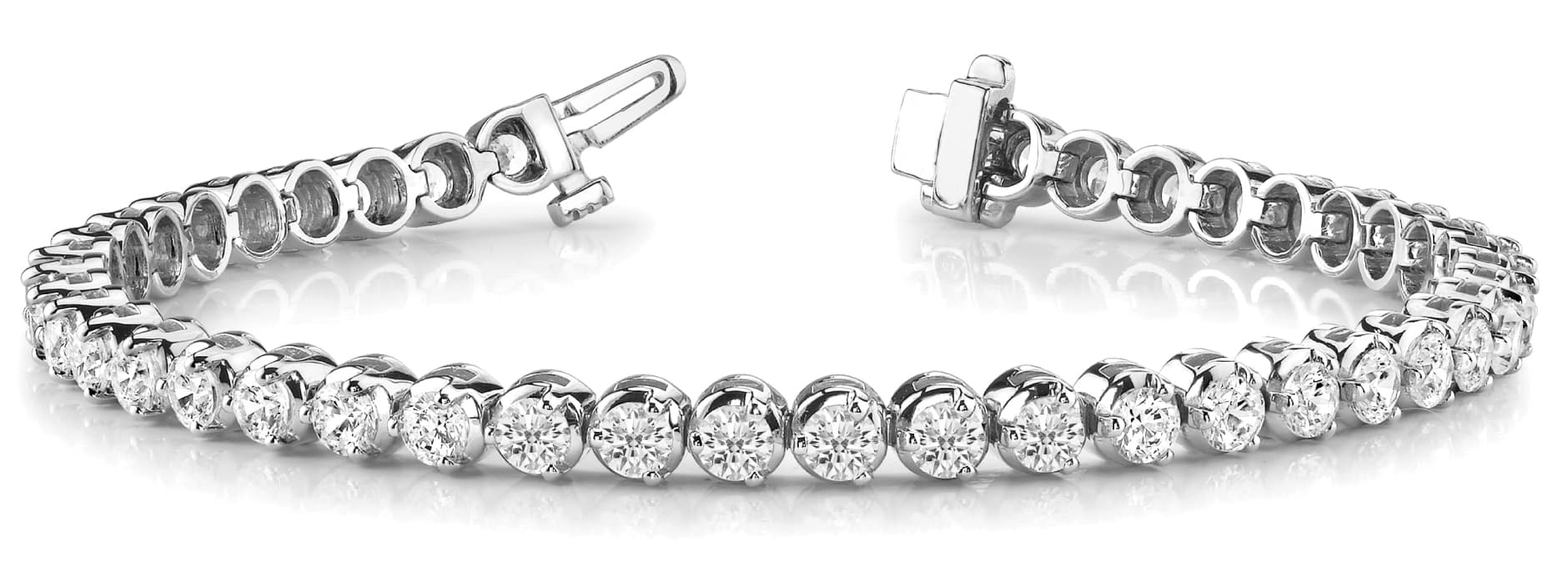
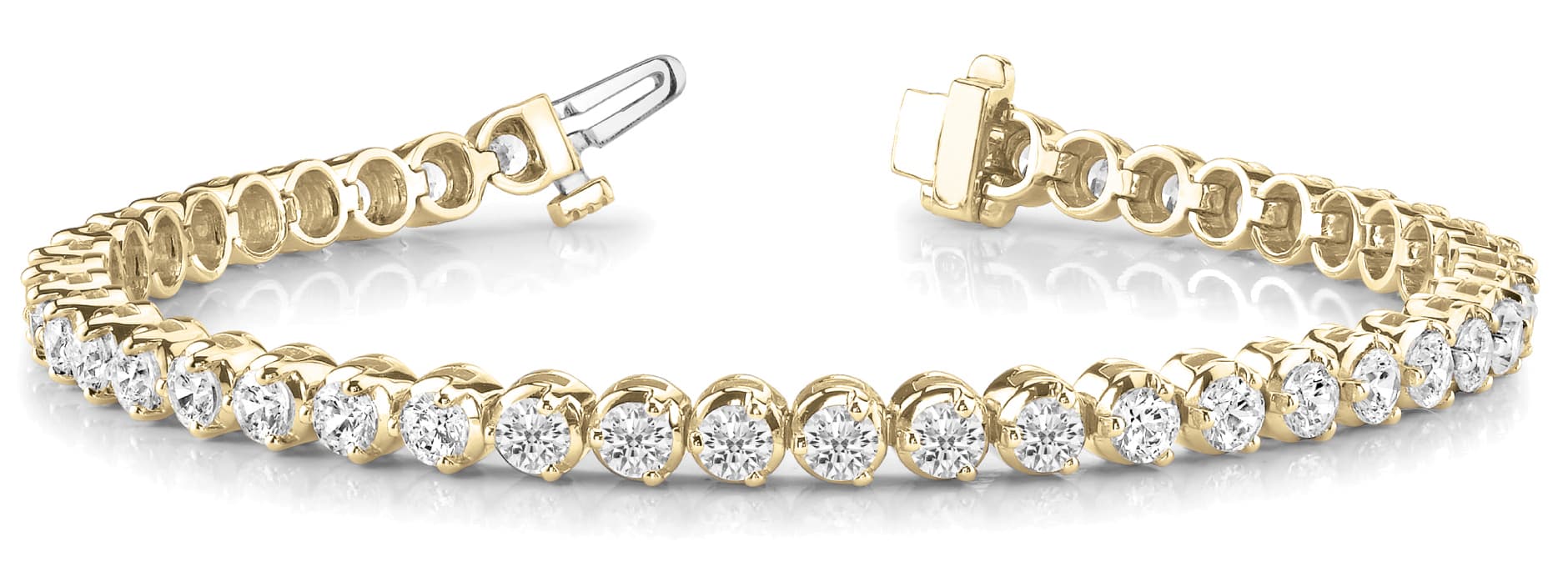
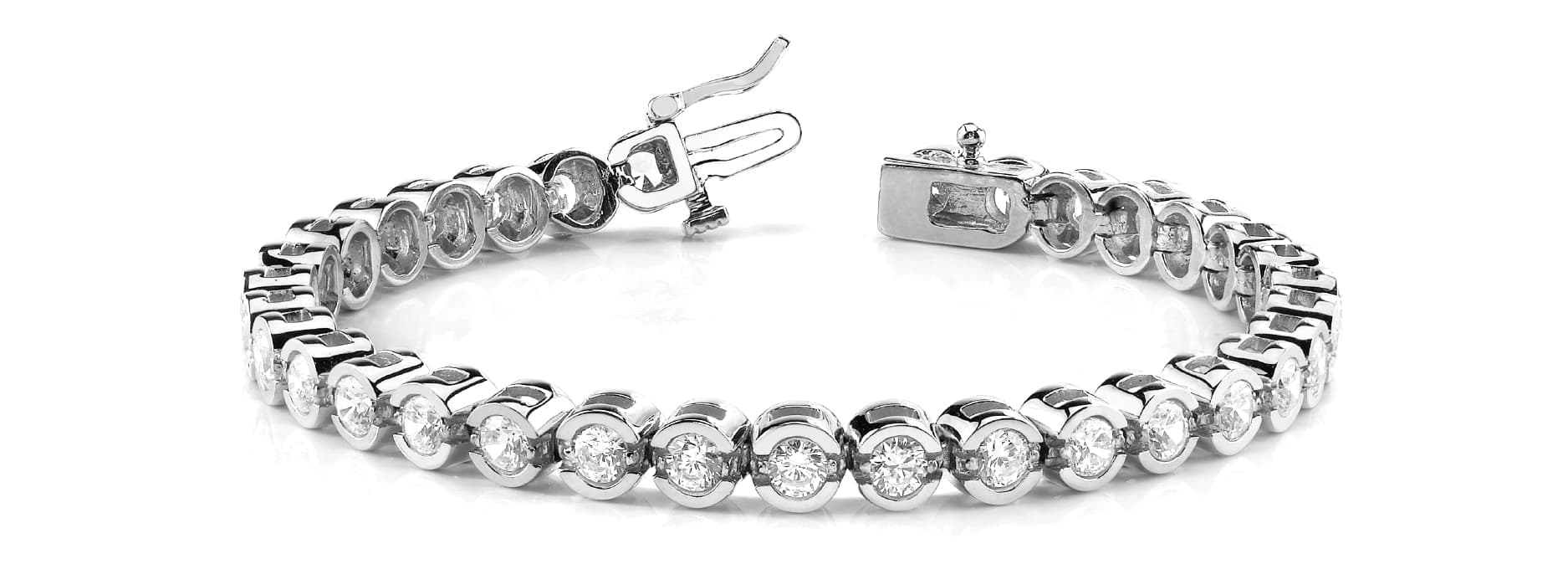
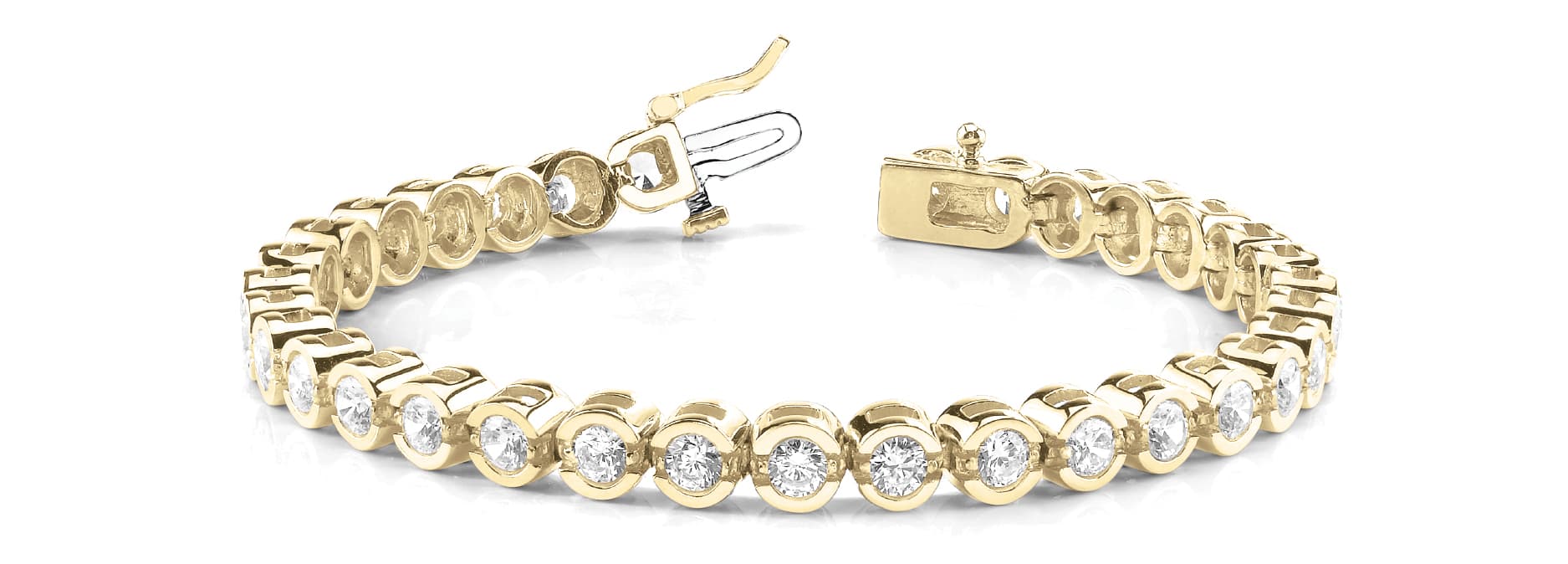
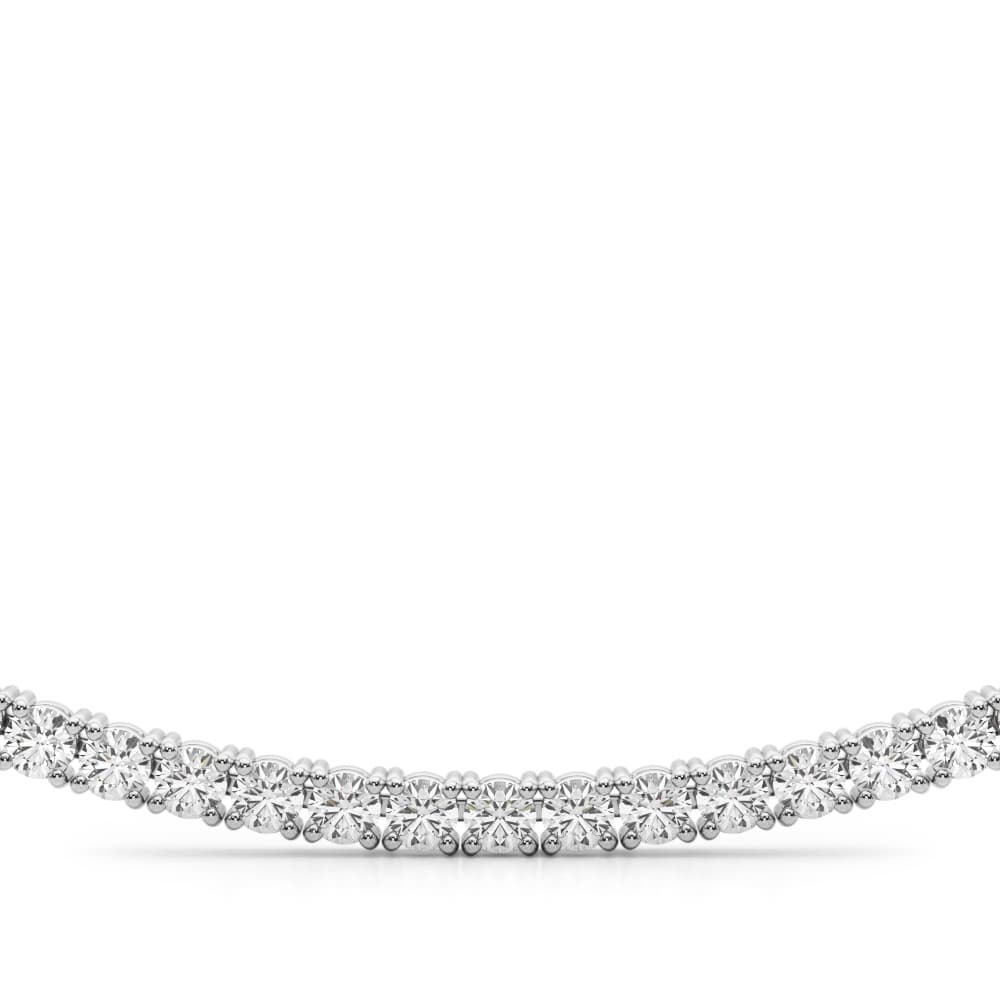
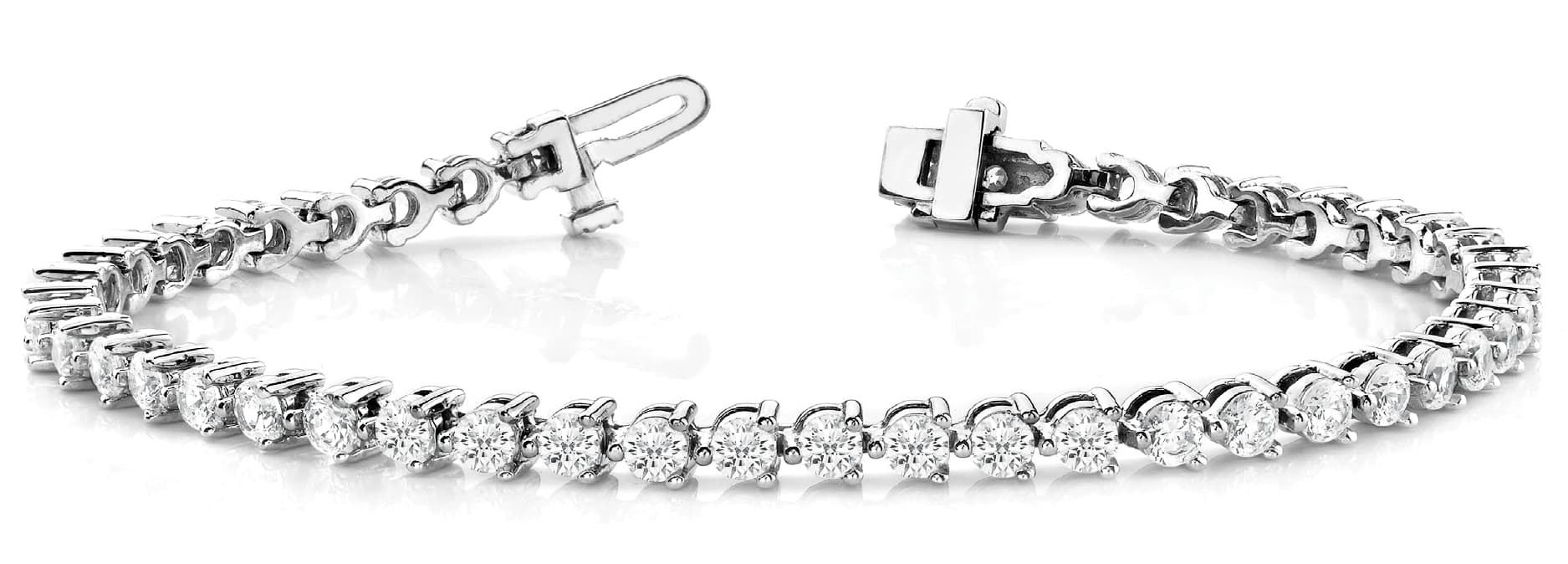
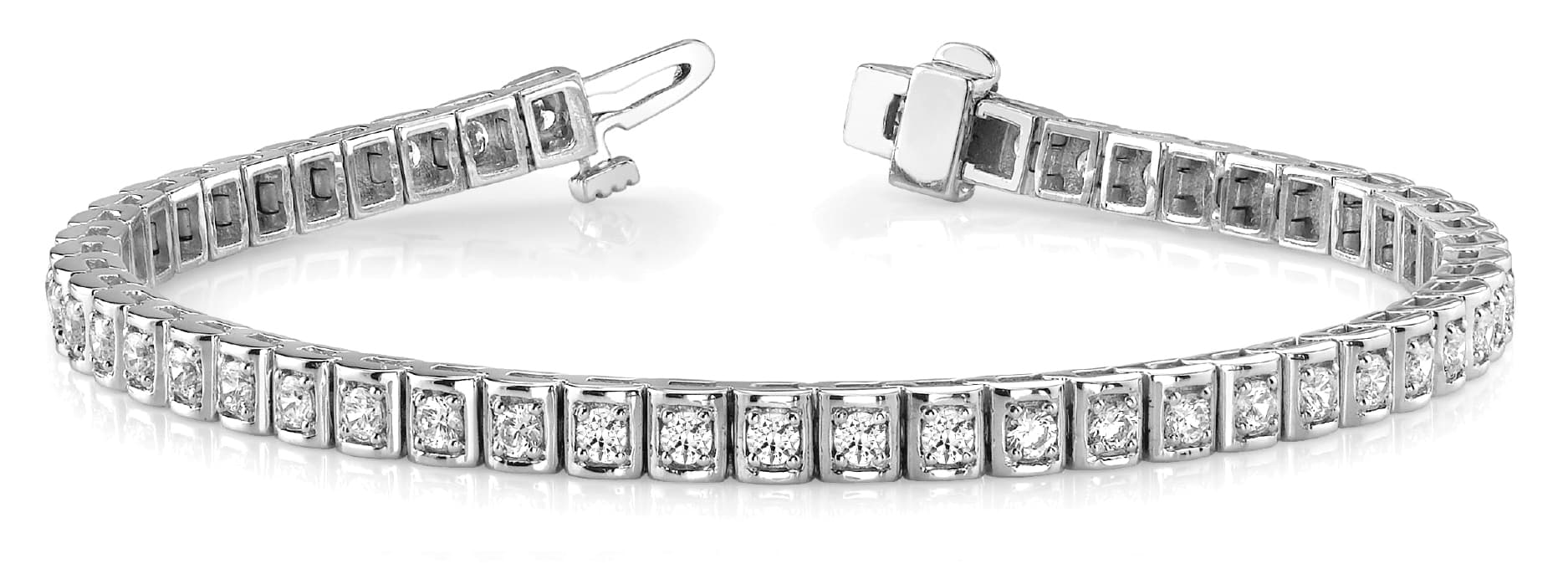
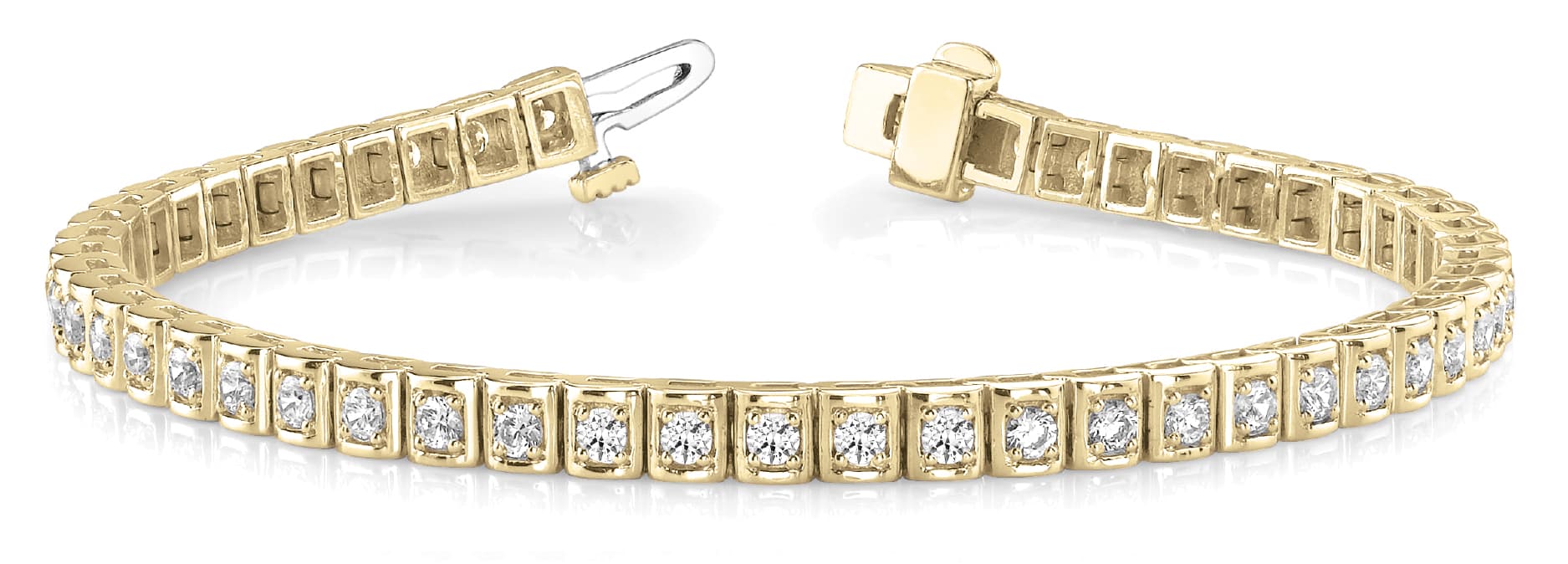
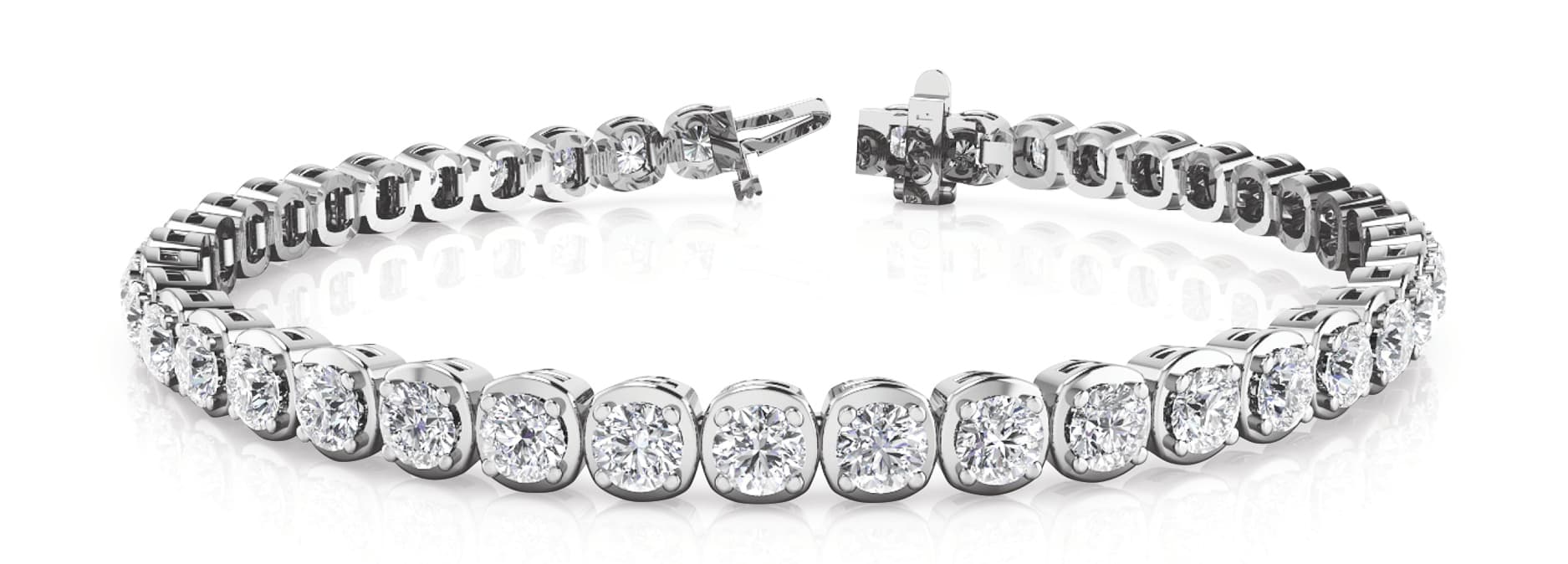
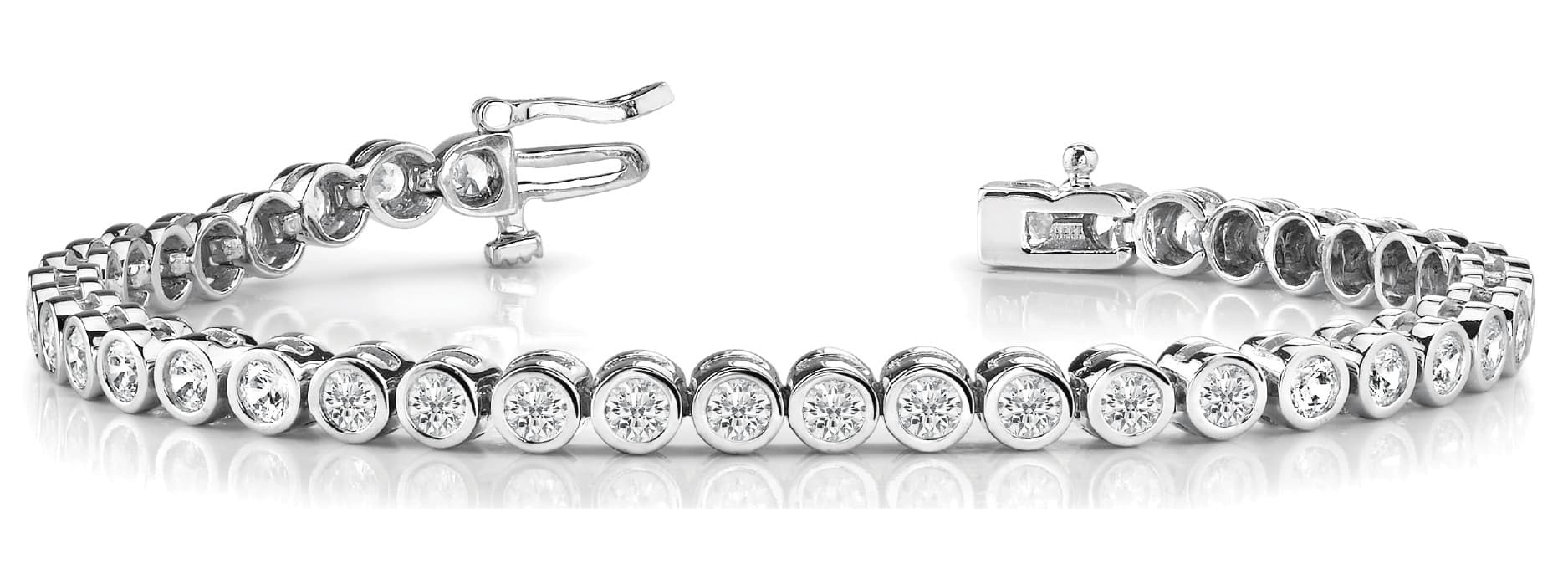
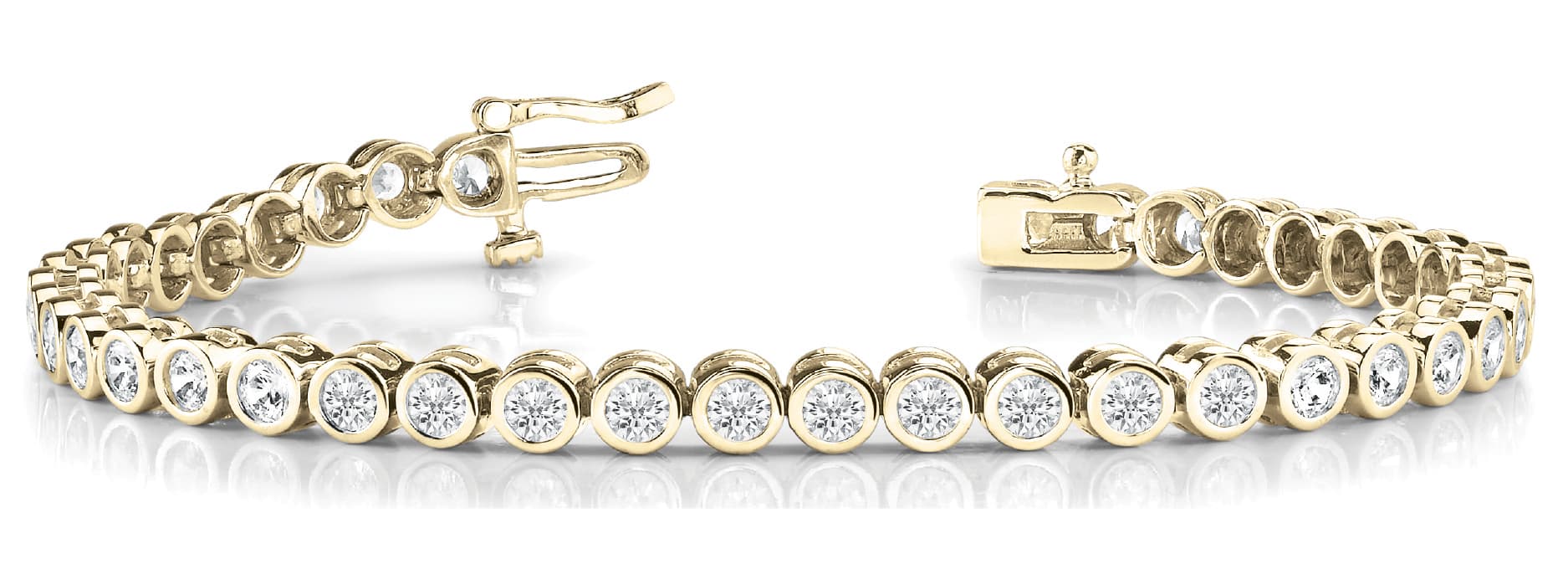
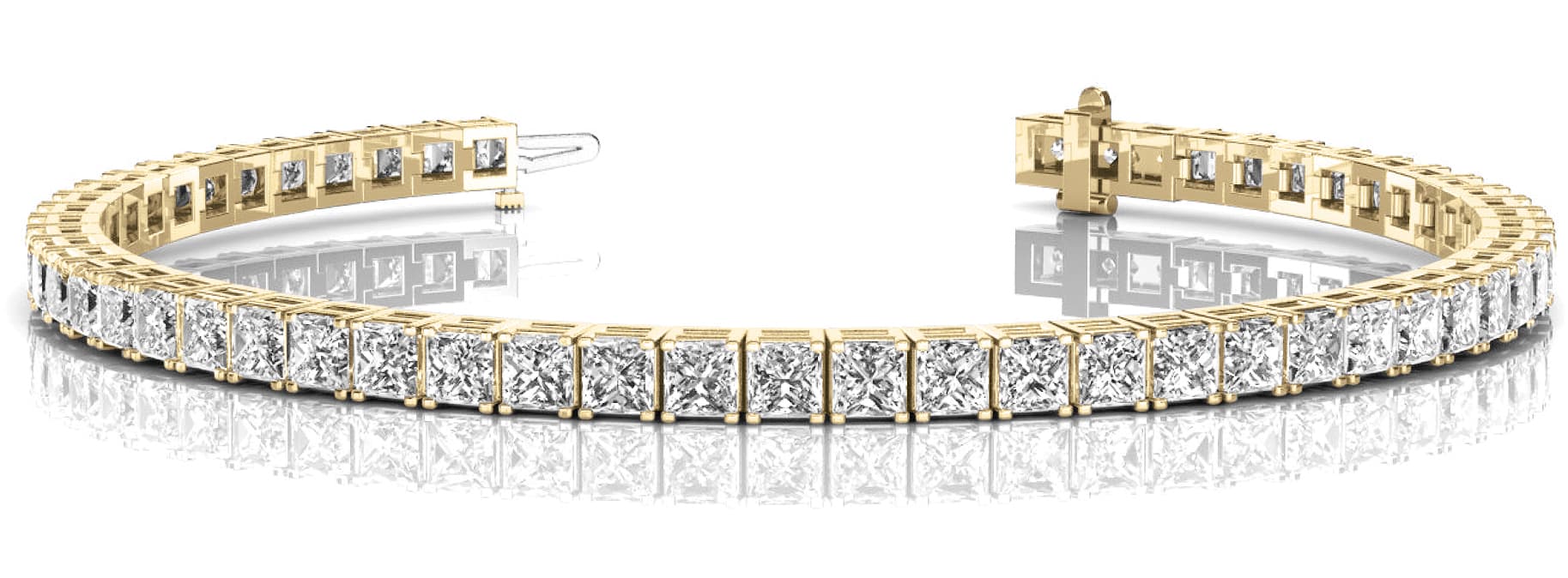
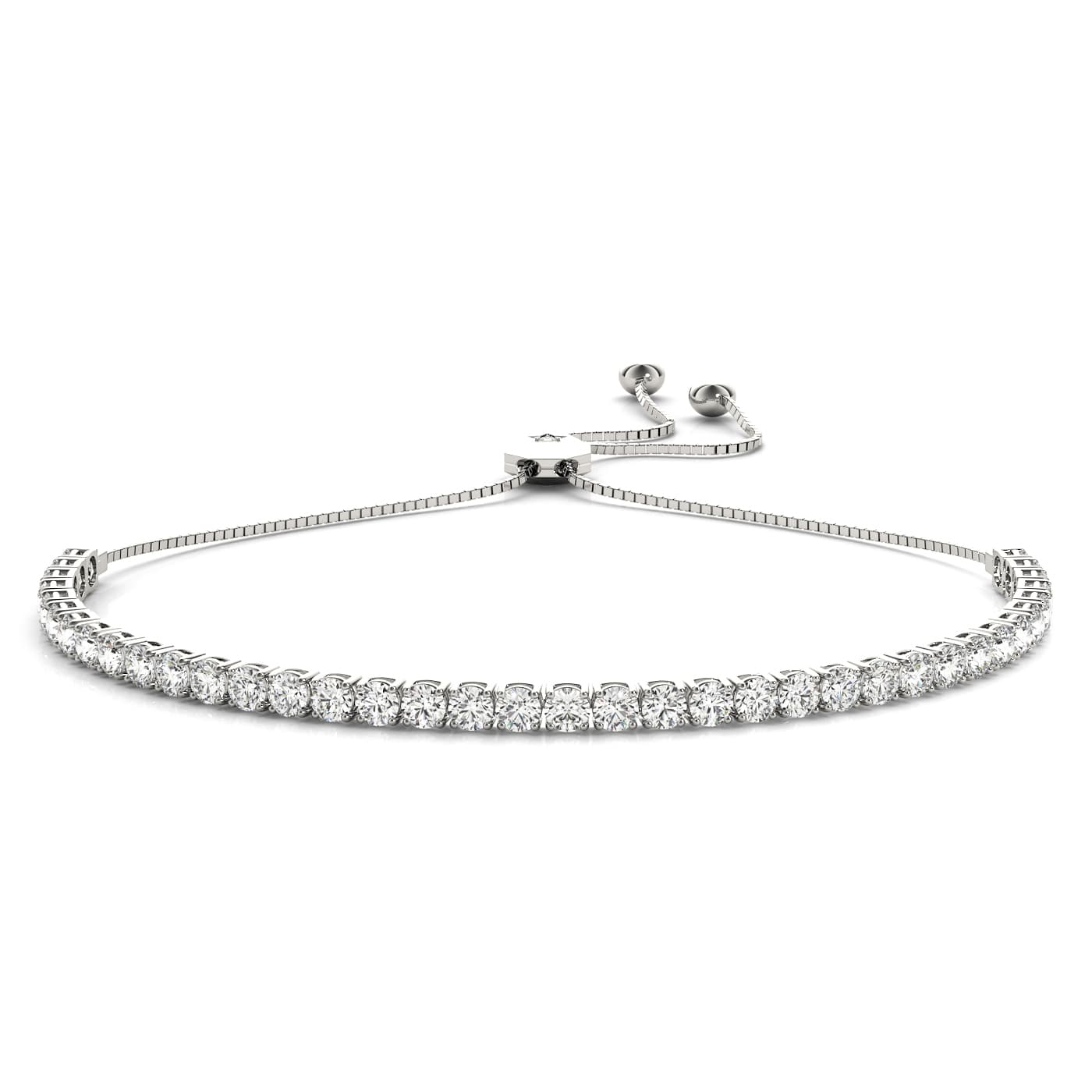
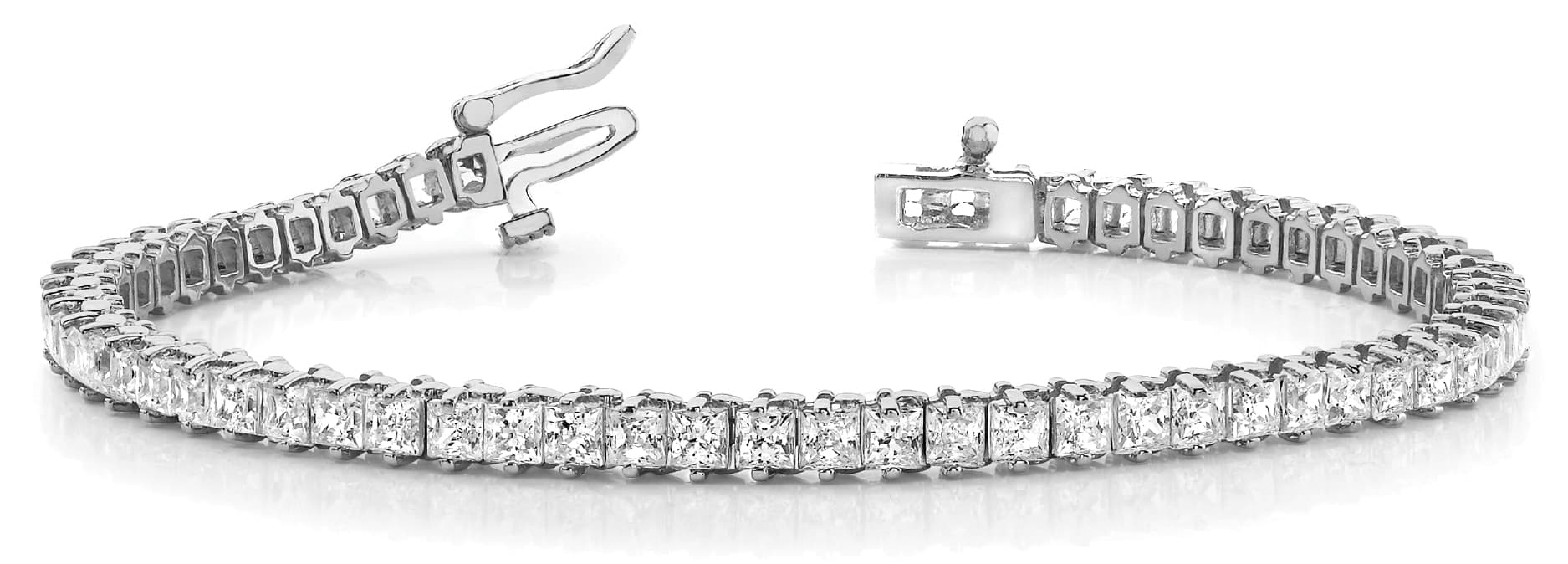
Aurelle tennis bracelets are made to order in 14k and 18k yellow, white, and rose gold and in platinum, with certified natural or lab-grown diamonds matched stone-to-stone for color and cut. Choose four-prong settings for maximum light, three-prong for a seamless flow, or bezel for armored everyday wear.
Choosing comes down to four decisions: total carat weight (3 carats reads delicate, 5 classic, 8-plus statement), setting style, metal color, and length — wrist measurement plus roughly three-quarters of an inch. Lab-grown stones stretch every one of those decisions further: a five-carat lab line often costs what two natural carats would.
Tennis Bracelets FAQ
What is a tennis bracelet, and why is it called that?+
It's a line bracelet — a continuous, flexible row of individually set diamonds. The name dates to 1987, when Chris Evert stopped a US Open match to find the diamond line bracelet that had flown off her wrist; the style has carried the name ever since.
How many carats should a tennis bracelet be?+
Three carats total reads delicate and layers beautifully; five carats is the classic proportion most people picture; eight to ten is statement territory. Because the weight spreads across forty-plus stones, each added carat changes stone size subtly — about 0.2mm of diameter per carat of total weight.
Are lab-grown diamond tennis bracelets worth it?+
They're the single smartest place in jewelry to go lab-grown: identical sparkle across dozens of matched stones at roughly a third of the natural price. A five-carat lab bracelet typically costs what a two-carat natural one would.
Which setting is best for everyday wear?+
Bezel and three-prong settings sit lowest and snag least, making them the daily-wear favorites. Four-prong shows the most light but rides slightly higher — better for occasion wear or careful hands.
How do I size a tennis bracelet?+
Measure your wrist snugly just below the wrist bone and add about three-quarters of an inch: the bracelet should drape enough to move but not spin. Most women's bracelets run 6.5 to 7.5 inches; every Aurelle bracelet is made to your exact length.
Tennis bracelet vs. chain bracelet — what's the difference?+
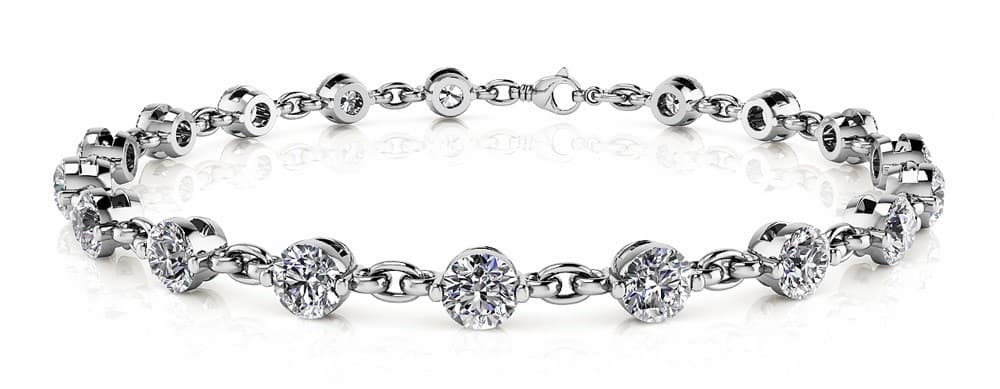
A tennis bracelet is a continuous line of set stones; a chain bracelet is metal links, sometimes with a single station or charm. The tennis line is dressier and sparkles from every angle; chains are the casual, layerable foundation.
What should I wear with a tennis bracelet?+
A watch on the same wrist is the classic pairing — the bracelet softens the watch, the watch grounds the bracelet. Slim bangles and a second thinner line also stack well; keep proportions varied so each piece reads.
How do I clean and care for a tennis bracelet?+
Warm water, a drop of mild soap, and a soft brush restore the sparkle; have the clasp and settings inspected yearly. Every Aurelle bracelet ships with a box clasp and safety latch, and cleaning and inspection are free for life.
Is a tennis bracelet a good anniversary gift?+
It's arguably the definitive one — significant without needing a ring size, wearable daily, and available across a wide price range. Many couples add a carat tier at milestone anniversaries.